
Dolly Parton Dies: Remembering a Music Legend and Queer Icon
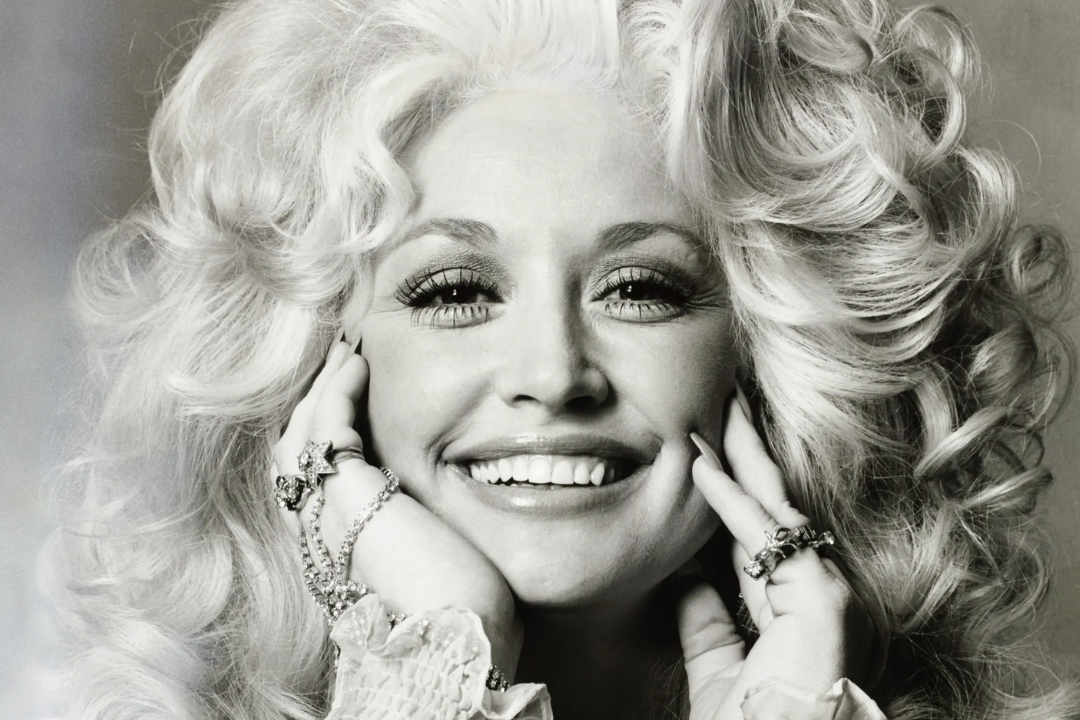
Dolly Parton Dies at 80 — And an Entire Generation of LGBTQ+ Fans Is Mourning
The world has lost more than a music legend.
Dolly Parton, the beloved singer-songwriter, actress, philanthropist, entrepreneur, and one of the most cherished allies the LGBTQ+ community has ever known, has died at the age of 80. Her passing was announced today through a video shared by her nephew on her official social media accounts. Reports indicate that Parton had been facing health challenges in recent months.
For millions of people around the world, Dolly was never simply the "Queen of Country."
She was a symbol of resilience. A champion of outsiders. A woman who taught generations that being different was never something to hide.
And for LGBTQ+ people everywhere, she became family.
From Poverty in Tennessee to Global Stardom
Born in rural East Tennessee, Dolly Parton transformed a childhood marked by poverty into one of the most extraordinary success stories in American entertainment. Over a career spanning more than six decades, she became one of the most successful recording artists in history, selling over 100 million records and creating timeless classics such as Jolene, 9 to 5, Coat of Many Colors, and I Will Always Love You.
"Jolene" (1973): A haunting, timeless classic about a woman pleading with a glamorous bank clerk not to steal her man. It is widely considered one of the greatest country songs ever written.
"I Will Always Love You" (1974): Written as a heartfelt, emotional farewell to her former partner and mentor Porter Wagoner, this track became a massive country chart-topper before being turned into a global pop phenomenon by Whitney Houston.
Her influence stretched far beyond country music. She conquered Hollywood. Built business empires. Created the iconic Dollywood theme park.
Launched literacy programs that distributed hundreds of millions of books to children. And remained remarkably grounded through it all.
Why Dolly Parton Became a Gay Icon
In 2020 Dolly Parton accepts the GLAAD Media Award for Outstanding Individual Episode (in a series w/o a regular LGBTQ character) for "Two Doors Down" Dolly Parton's Heartstrings (Netflix)
Not every celebrity becomes a queer icon. Dolly Parton earned that title.
For decades, LGBTQ+ people saw themselves reflected in her story. She understood what it meant to be underestimated, judged by appearances, and dismissed by powerful voices.
Instead of shrinking herself, she leaned into who she was. She embraced her larger-than-life image. She turned criticism into strength. She transformed stereotypes into power.
And queer audiences recognized that journey immediately.
Her glamorous style, towering blonde hair, rhinestone-covered outfits, sharp wit, and fearless self-expression made her a cultural blueprint long before conversations about authenticity became mainstream. But it wasn't just the look. It was the heart behind it.
A Lifelong Voice for Acceptance
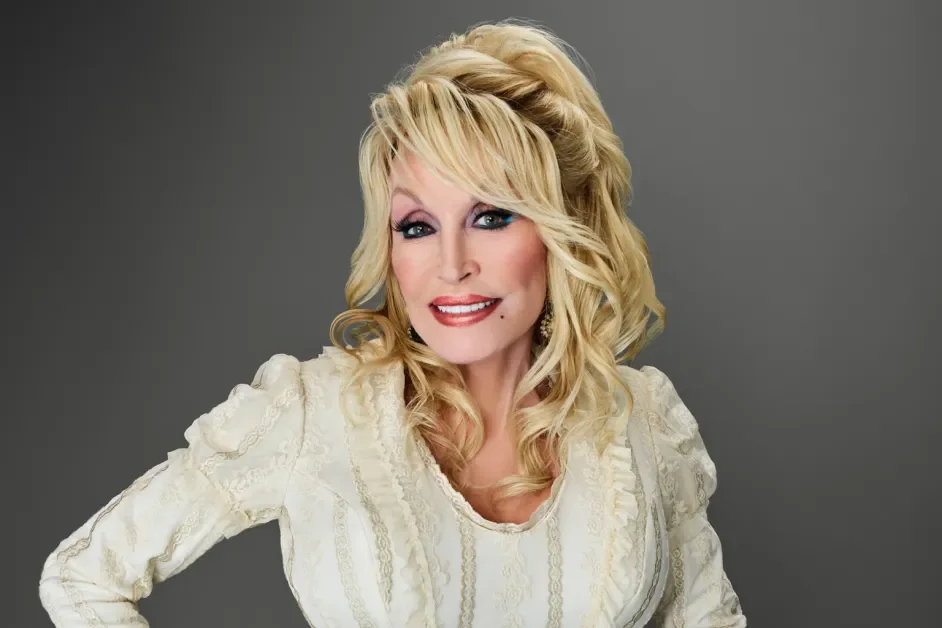
Dolly PartonMILLER MOBLEY/NBC VIA GETTY IMAGES
Throughout her career, Dolly consistently defended LGBTQ+ people and supported equality.
She never treated queer fans as a marketing opportunity. She treated them with dignity. With kindness. With genuine respect.
In a 2014 interview with Billboard, Parton shared a message that would become one of her most quoted statements among LGBTQ+ communities:
"I think everybody should be allowed to be who they are and love who they love. I don't think we should judge. Lord, I have enough problems of my own to judge somebody else."
The Outsiders Always Had a Place in Dolly's World
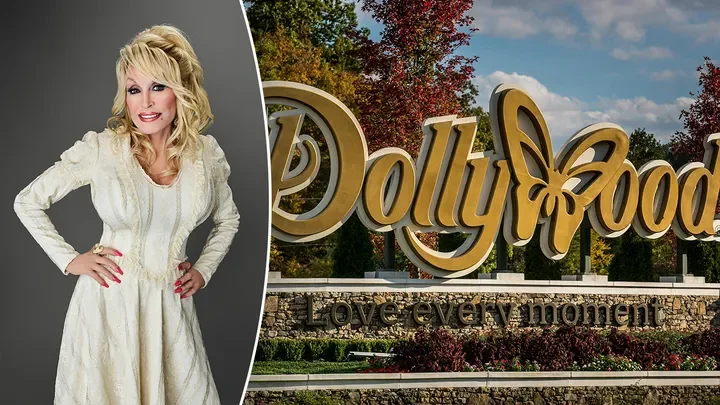
Dolly Parton gives glimpse behind business empire Dollywood. (Getty Images / Getty Images)
Parton's connection with LGBTQ+ audiences was never accidental.
Queer fans found comfort in her music because many of her songs centered on perseverance, self-worth, heartbreak, hope, and survival.
Themes that have long resonated with marginalized communities.
For decades, LGBTQ+ travelers made pilgrimages to Dollywood, seeing the park as more than an attraction. It became a symbol of how a woman from a deeply conservative background could build a space rooted in joy, imagination, and inclusion.
Dolly's appeal crossed generations, identities, and borders.
Whether you grew up in Tennessee, Madrid, São Paulo, London, New York, or Helsinki, there was something universally comforting about her presence.
She made people feel seen.
More Than a Superstar
Parton's legacy cannot be measured only by awards. Although there were plenty.
She won multiple Grammy Awards, became one of the most celebrated songwriters in music history, starred in iconic films, and built an entertainment empire that few artists could ever match.
What truly made Dolly extraordinary was her humanity.
She used her success to help others.
She funded educational initiatives.
Supported charitable causes.
Invested in communities.
And consistently used her platform to spread empathy instead of division.
A Legacy That Will Never Fade
The loss of Dolly Parton marks the end of one of the most remarkable careers in modern entertainment.
But legends do not disappear. They become part of culture. Part of memory. Part of the stories we continue telling.
“DOLLY PARTON WEIGHS IN ON TENNESSEE’S ANTI-TRANS LAWS: ‘I JUST WANT EVERYONE TO BE TREATED GOOD”
For LGBTQ+ people around the world, Dolly will remain what she always was:
A symbol of authenticity. A champion of acceptance. A voice that reminded us that love matters more than judgment. And a queer icon whose influence will outlive generations.
Today, the world mourns. But it also celebrates a life lived boldly, generously, and unapologetically.
Thank you, Dolly. For the music. For the laughter. For the glitter. For the kindness. And for always making room for everyone.
Stay Connected With Queerland Media
For more breaking LGBTQ+ news, inspiring community stories, culture, entertainment, and global queer voices, visit QueerlandMedia.com.
Do you have a story that deserves to be told?
You can contact the editorial team in complete confidence. If you prefer, email us directly at hello@queerlandmedia.com.
We read every message we receive, although we cannot guarantee a personal response to all submissions.
