
25 Years of Love: How Amsterdam Changed Same Sex Marriage History Forever
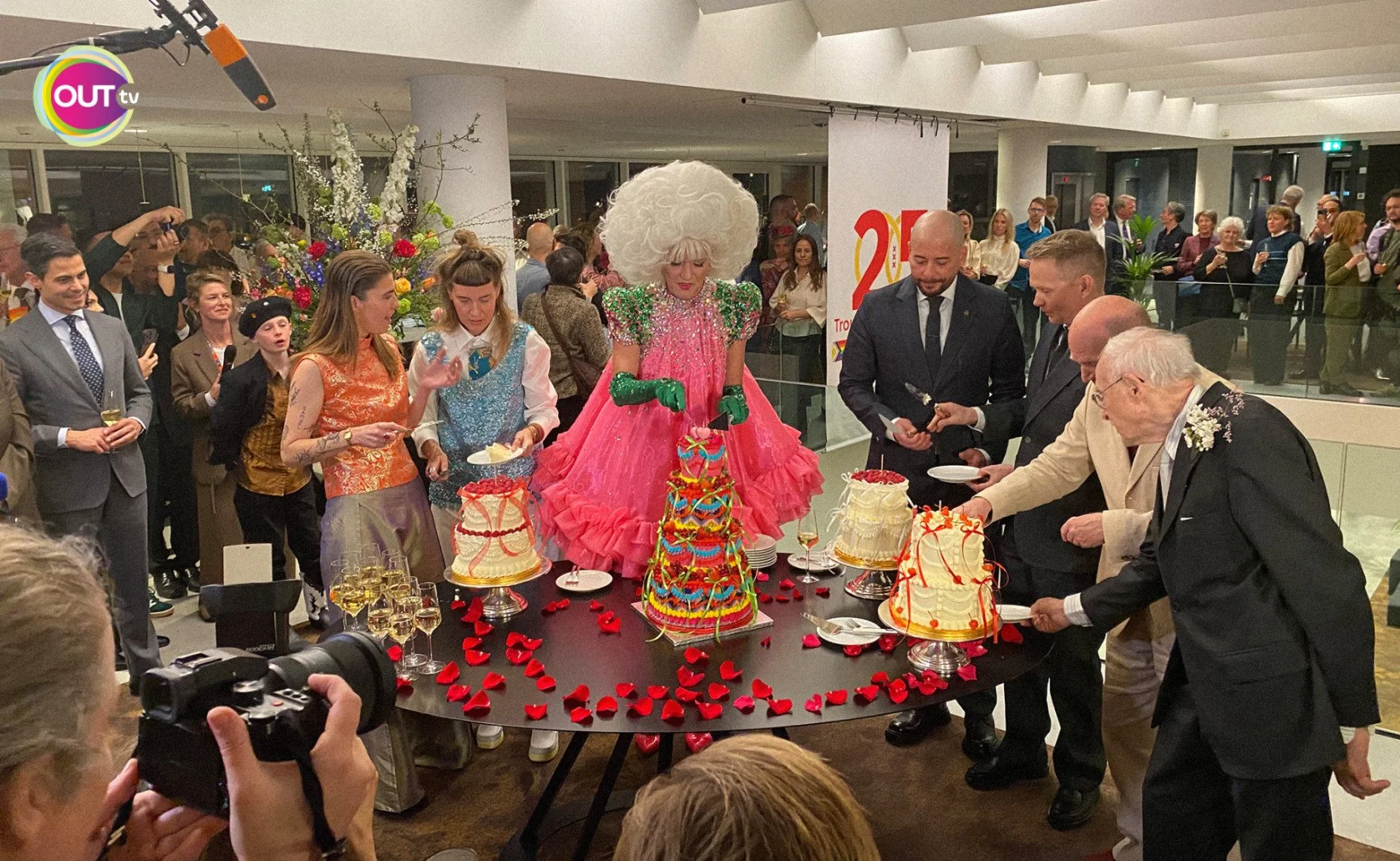
The Netherlands made history as the first country to recognise same-sex marriage. (Ramon van Flymen/ANP/AFP)
There are moments in history that don’t just mark time—they shift it.
Twenty-five years ago, in the early hours of April 1, 2001, something quietly revolutionary happened in Amsterdam. Just after midnight, four same-sex couples stood inside City Hall and said “I do,” becoming the first legally married LGBTQ+ couples in the world. It wasn’t just a ceremony. It was a turning point.
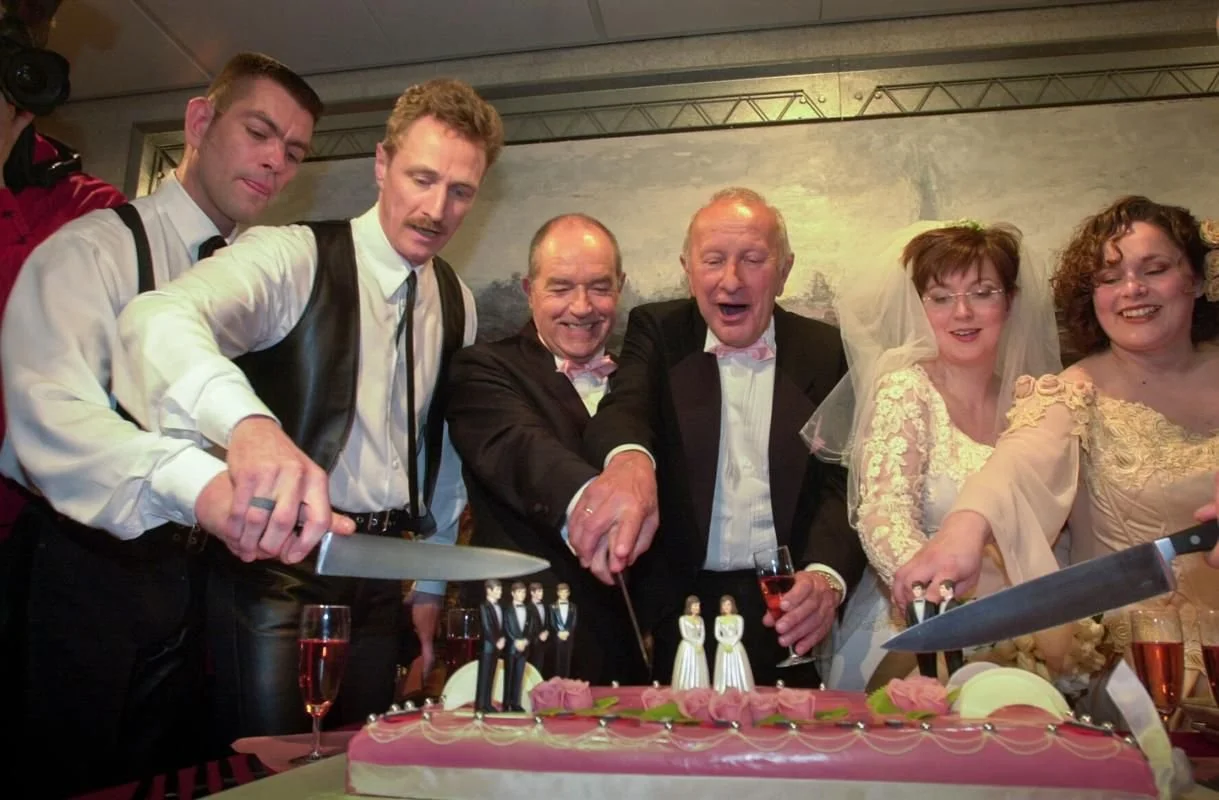
From left, Peter Wittebrood-Lemke, Frank Wittebrood, Ton Jansen, Louis Rogmans, Helene Faasen and Anne-Marie Thus, the pairs who were among four couples to get married under the world’s first law allowing same-sex marriages with equal rights, cut the wedding cake after exchanging vows at Amsterdam’s City Hall April 1, 2001. (Peter Dejong / Associated Press)
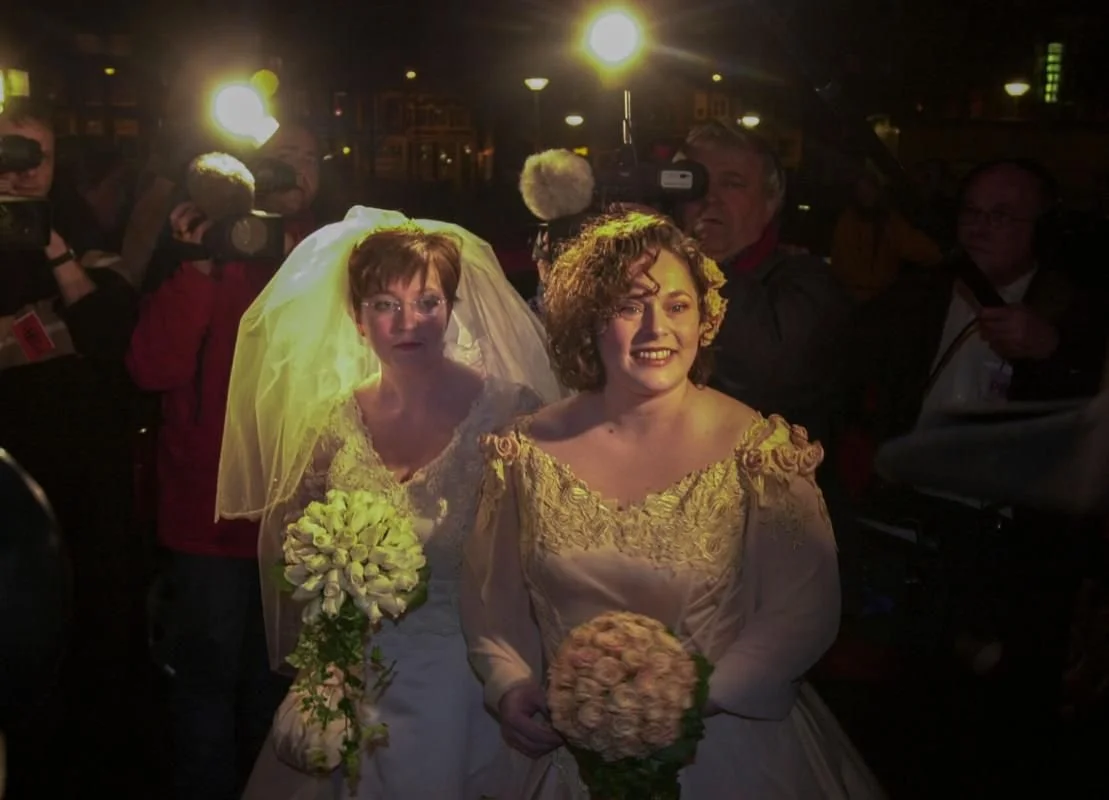
Helene Faasen, left, Anne-Marie Thus are at Amsterdam’s City hall early Sunday, April 1, 2001. (AP PHOTO/Peter Delong)
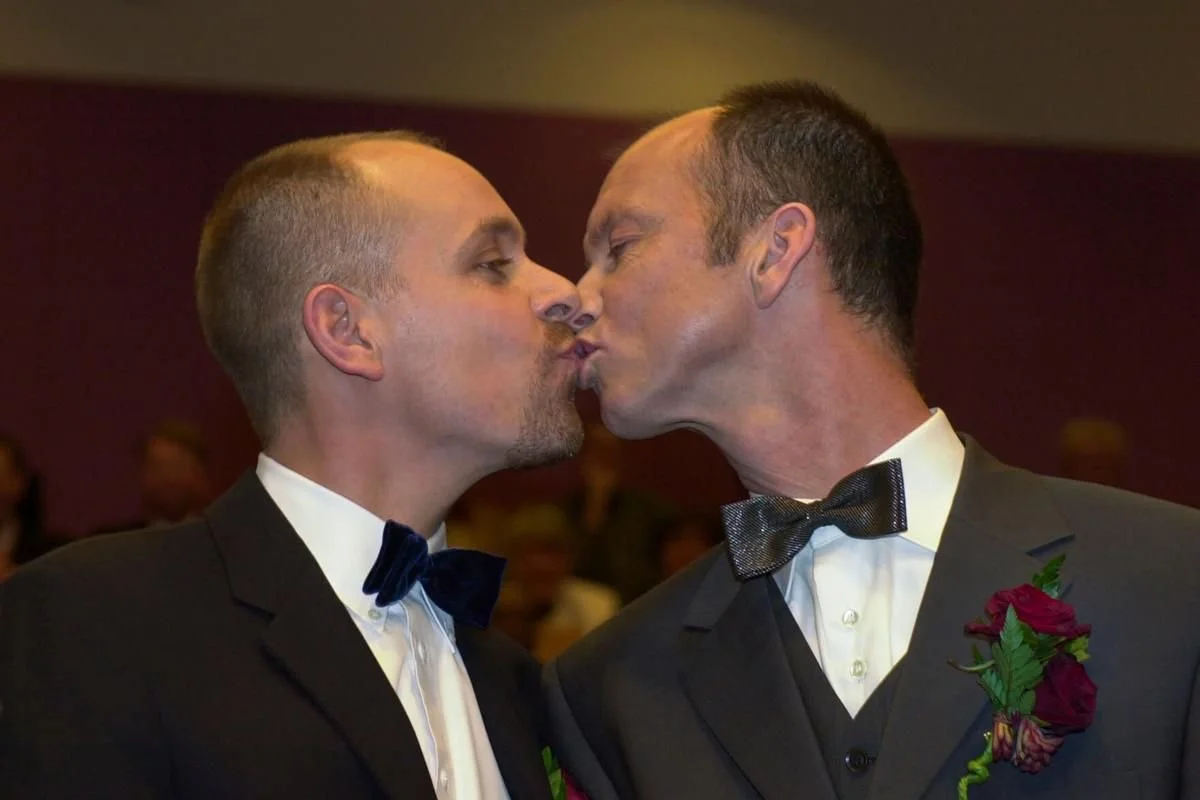
Gert Kasteel, left, and Dolf Pasker kiss after exchanging vows at Amsterdam's City Hall early Sunday, April 1, 2001. The pair was among four couples to get married under a new law which took effect April 1, 2001 (AP Photo/Peter Dejong)
Fast forward to this week, and the Dutch capital marked that anniversary in the most fitting way: with love, visibility, and a reminder of how far we’ve come—and how much further there is to go.
A Celebration That Still Feels Personal
In the early hours of April 1, 2026, three LGBTQ+ couples once again exchanged vows at Amsterdam City Hall, in a ceremony officiated by Mayor Femke Halsema. The symbolism was powerful: new love stories layered over a legacy that reshaped the world.
©NicolásKeenan instagram
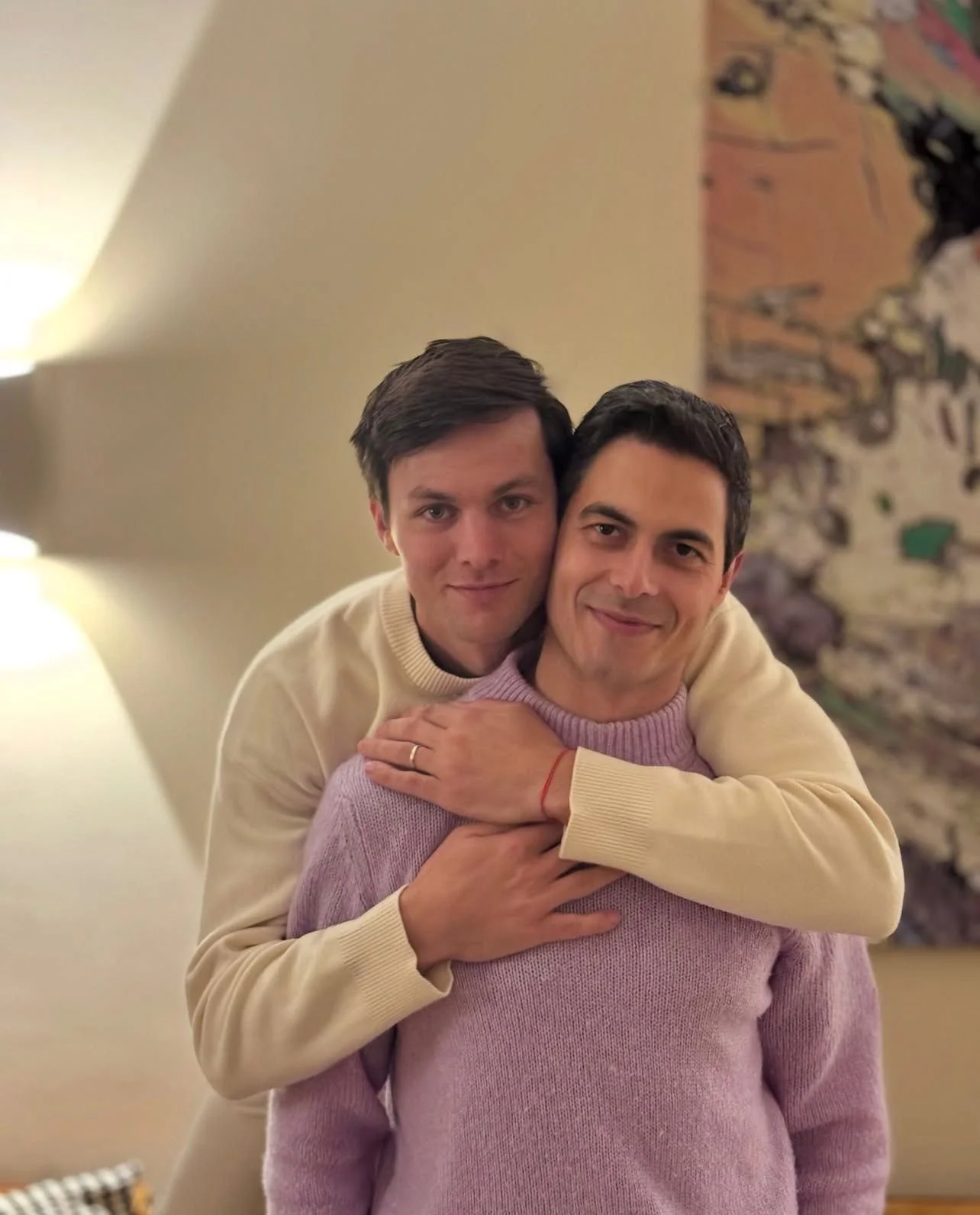
Among those present was Dutch Prime Minister Rob Jetten, the country’s first openly gay head of government. His presence wasn’t just political—it was deeply personal.
Jetten shared how, at just 14 years old, he watched those first weddings on TV back in 2001. For him, like for so many others, that moment was more than news—it was possibility.
Today, that same teenager is leading a country that made history—and preparing to marry his own partner, Nicolás Keenan, an Olympic medalist who represented Argentina at the Paris 2024 Summer Olympics.
That’s what progress looks like. Not abstract. Not distant. Personal.
The Ripple Effect of One Bold Decision
What started in the Netherlands didn’t stay there.
Since 2001, nearly 40 countries have legalized same-sex marriage, following the path first carved by the Dutch. Over 36,000 same-sex couples have married in the Netherlands alone, according to official statistics. More info in equaldex
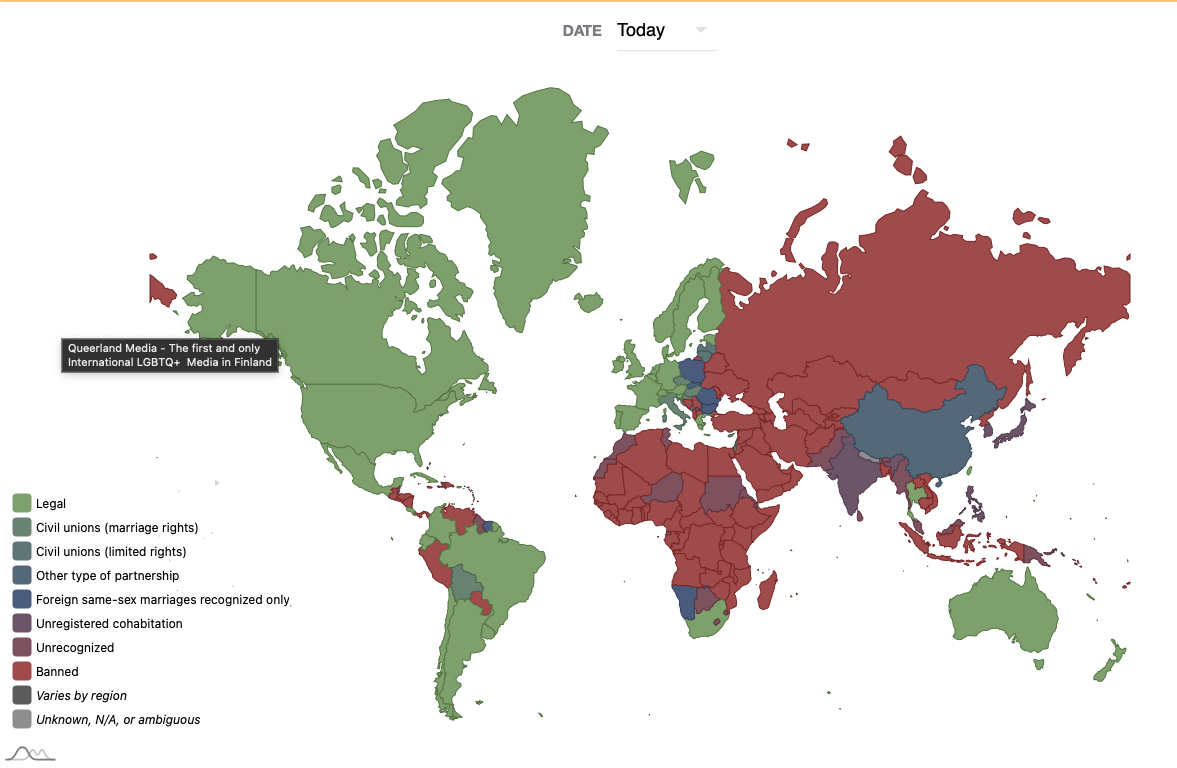
It’s easy now—especially for younger generations—to see marriage equality as something almost “normal.” But it’s worth remembering: this was once unthinkable.
The Netherlands didn’t just pass a law. It set a global precedent.
And more importantly, it gave millions of LGBTQ+ people something that had long been denied: recognition, protection, and dignity.
Why This Anniversary Still Matters
Anniversaries like this aren’t just about looking back—they’re about grounding ourselves in the present.
Because while marriage equality has expanded, it’s still not universal. In many parts of the world, LGBTQ+ people continue to face legal barriers, social stigma, and violence simply for existing.
That’s why stories like Amsterdam’s still hit. They remind us that progress is possible—but never accidental.
It takes visibility. It takes courage. And it takes people willing to imagine a world that doesn’t exist yet—and then build it.
Love as Resistance, Love as Legacy
There’s something quietly radical about a wedding. Two people choosing each other, publicly, unapologetically. Twenty-five years ago, that act changed the course of history. Today, it continues to do so—every time a couple says “yes” in a place where that “yes” was once denied.
Amsterdam didn’t just legalize marriage. It legitimized love in a way the world could no longer ignore.
And that’s a legacy still unfolding.
