
Noora and Peaches: Building Lesbian Safe Spaces in Helsinki’s Queer Nightlife Scene

Peaches
There are stories that don’t begin with ambition — they begin with absence.
Peaches is one of those stories. A project that isn’t just about nightlife or music, but about reclaiming space. About building something that feels like it should have always been there. Something soft, electric, and unapologetically intentional. There’s a person behind it. A vision. A lived experience that shaped why this space needed to exist in the first place.
That’s where this story really begins.
In a relaxed, honest online conversation (I could say that the atmosphere was felt on a night of music at Peaches), Queerland Media steps into Noora’s world — a space where music meets memory, where creativity becomes community, and where a simple idea is slowly growing into something much bigger than a night out.
A memory that never left
Noora is 33 now, grounded, intentional, and quietly shaping Helsinki’s queer nightlife. But the story really begins years earlier, in a version of herself who didn’t yet have the language — or the safety — to exist out loud.
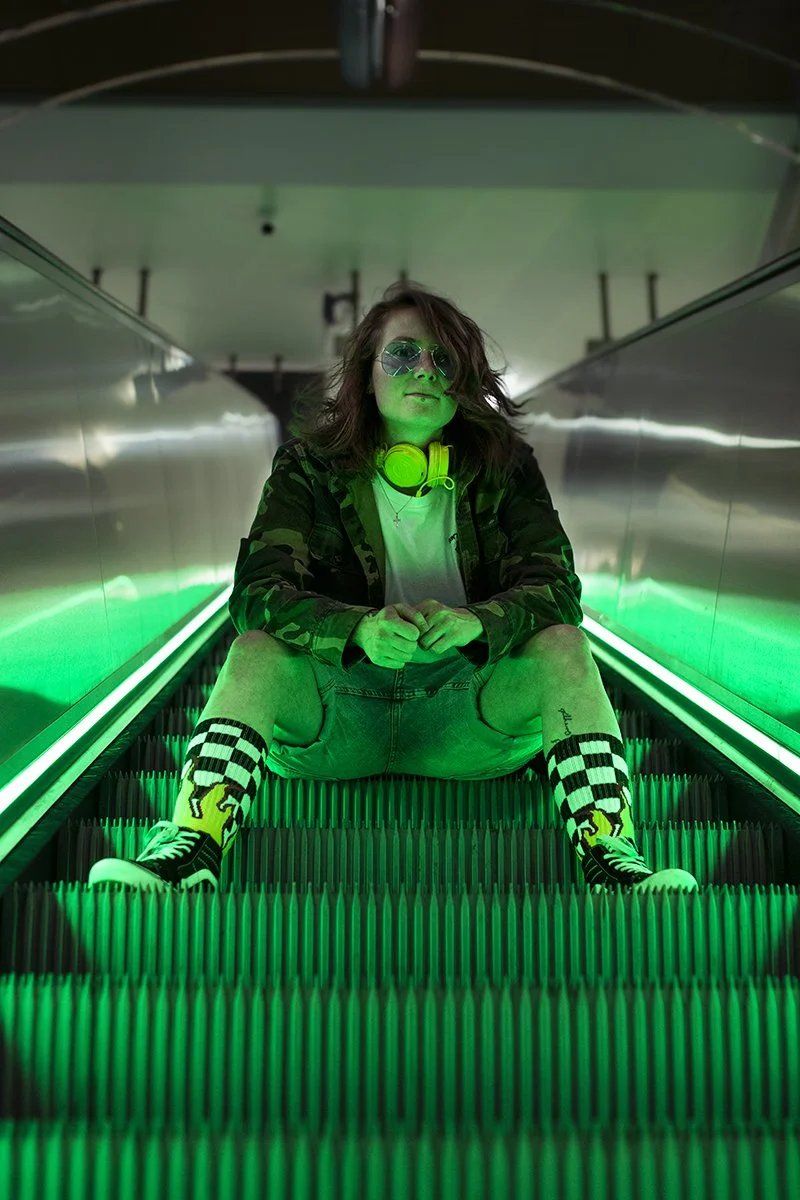
I think I was 15 when I admitted to myself that I’m not straight
Noora
“I think I was 15 when I admitted to myself that I’m not straight,” she says to Queerland Media, her voice steady but reflective. “I knew it already… but for a while, I tried to be normal.”
Like so many, she first came out as bisexual. Then later, lesbian. But that word didn’t come easy. It carried weight. Shame. Something learned, not felt.
Growing up in a narrow-minded environment, queerness wasn’t something you stepped into — it was something you survived quietly. Until one day, at 16, everything shifted.
The first time she felt it
A friend brought her to *DTM in Helsinki — though “brought” might be generous.
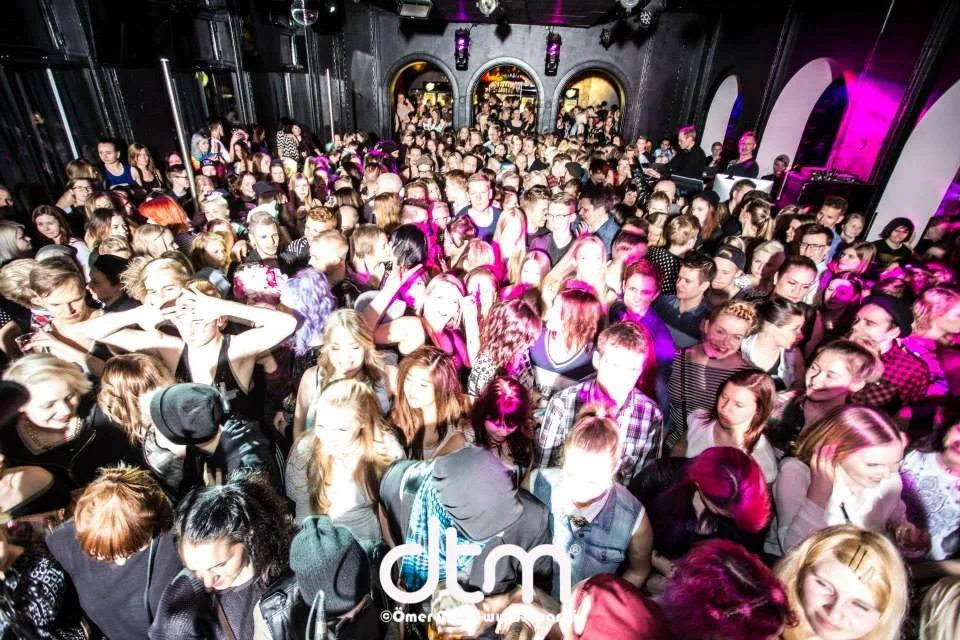
©DTM Helsinki, April 2015 Facebook
“He kind of tricked me,” Noora laughs. “I didn’t know Helsinki that well, so after a few extra turns, I was completely lost.” It was daytime. The club was open as a café. Nothing dramatic. Nothing loud.
And yet, everything changed.
“I didn’t know anyone but still felt like I belonged.”
“The environment had shaped my thoughts to believe that all LGBTQ+ people were weirdos… outcasts,” she says. “That brief moment at DTM helped me push aside those toxic thoughts.”
What she found instead was something almost disorienting in its simplicity:
Warmth. Ease. Familiarity. People greeting each other with hugs. Strangers acting like community. “I remember thinking… everyone seemed to be friends.”
She went home that day different. Not fully out, not fully certain — but no longer alone. DTM became her safe haven. First as a guest, later as a DJ.
And eventually, the blueprint for everything she would go on to create.
*DTM (originally Don't Tell Mama) was an LGBTQ+ nightclub in Helsinki, Finland. Founded in 1992, it was once the largest gay club in Northern Europe. On 12 June 2025, DTM announced via social media that Äkä Oy had filed for bankruptcy and that the club would permanently shutter its doors.From memory to movement: the birth of Peaches
The idea didn’t come all at once. It sat quietly in the background — shaped by absence more than anything else.
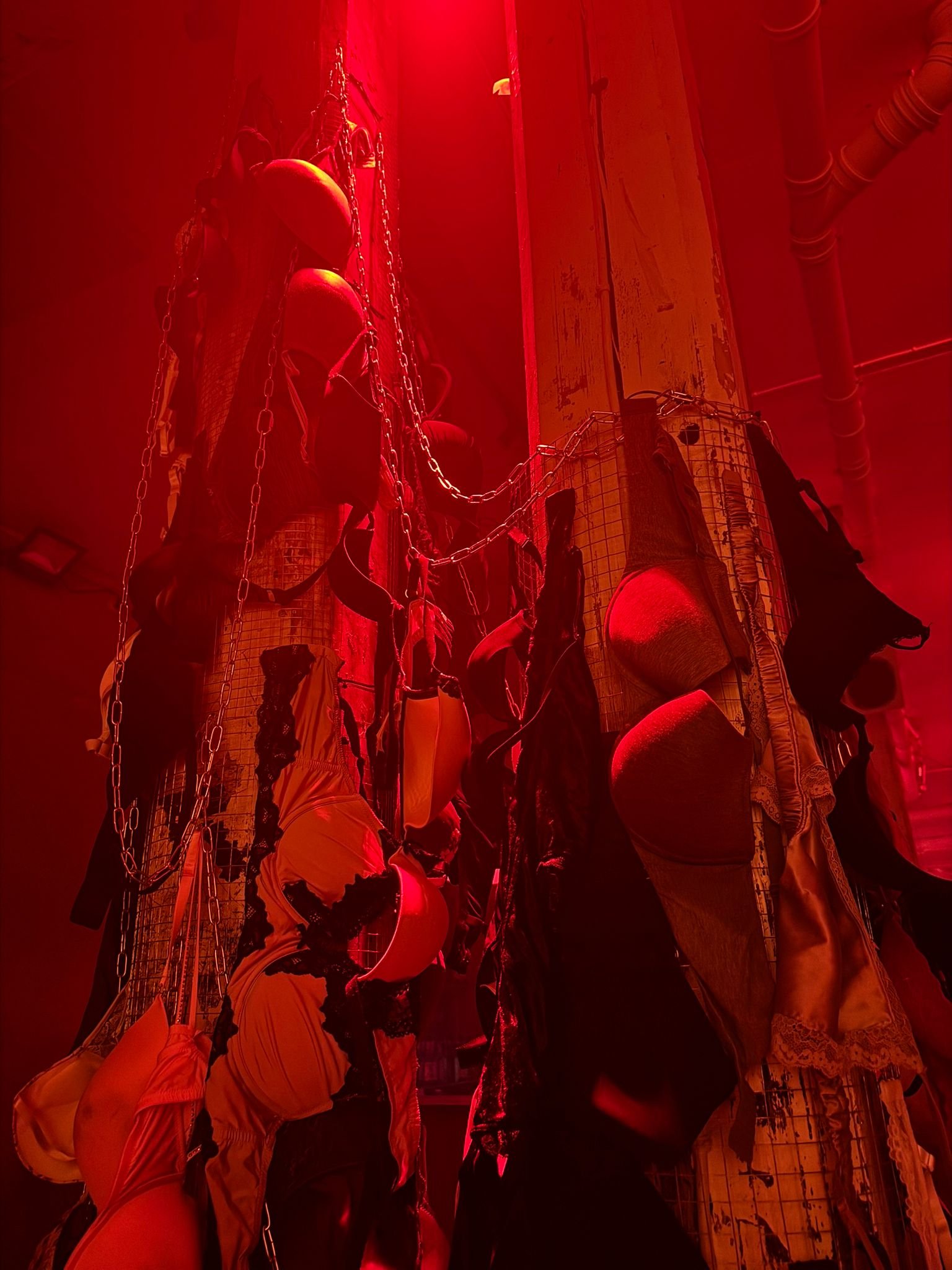
Peaches is a club night for lesbians & Lesbians deserve a shoutout!
Noora
Helsinki had queer spaces, yes. But consistent, intentional spaces for women who love women? Not really.
“I had already planned to arrange nights for lesbians,” Noora says. “I saw the need.”
Then DTM closed and for a while, the idea paused with it. Until new connections brought it back to life. Through the team behind H2O2, she was asked if she’d be interested in creating a women’s night.
She didn’t hesitate.
Reclaiming the word “Lesbian”
Peaches is unapologetically clear about who it centers. A lesbian club night. Not softened. Not diluted. Intentional.
But for Noora, that clarity comes with layers.
“Come to think of it, I still don’t use the L word that much in everyday life,” she admits. “At work, I might say partner or spouse.”
There’s no shame in who she is — but there’s still awareness. Still the quiet calculation of how words land in different spaces. “Though it’s most likely only in my head,” she adds, half-smiling.
And yet, creating Peaches is its own form of resistance.
“On the other side, I feel proud to bring a space for the lesbian community and make it visible.” A space she didn’t have growing up. A word she’s still learning to hold fully — by giving it back to others.
Where connection becomes the point
At its core, Peaches isn’t about spectacle. It’s about something much softer — and much harder to find. Connection.
“You can come alone… and still feel like you belong.”
“I want to encourage women to open up to each other,” Noora says. “People these days seem shy when it comes to creating social relations.”
There’s no single defining moment she points to when I ask what makes it all worth it. Instead, she describes a feeling. A room full of women dancing, talking, existing without hesitation. “It’s the overall atmosphere… celebrating together.”
No pressure. No performance. Just presence.
Between two worlds
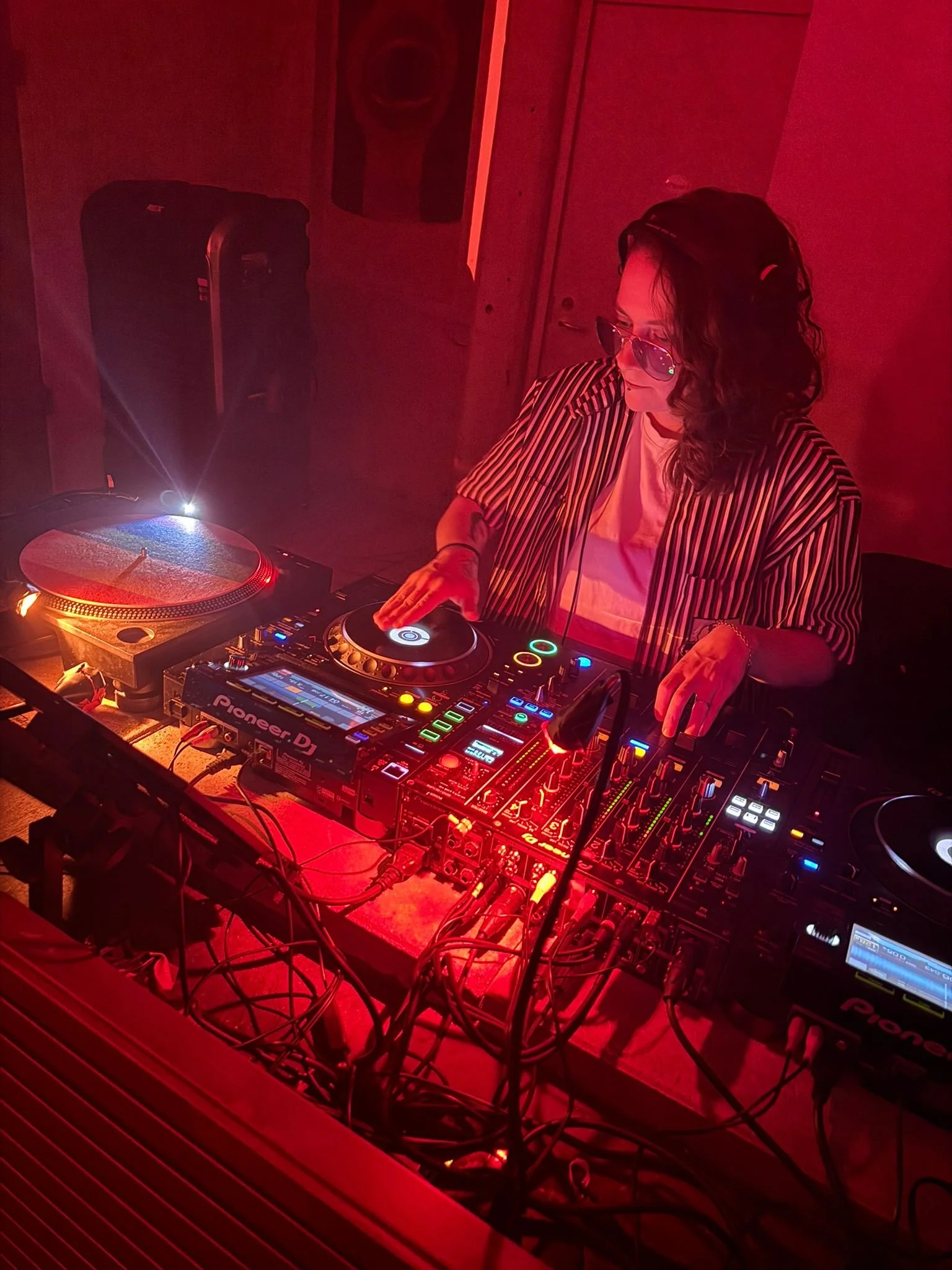
“I was very excited to present my idea… and after that, Peaches was born.”
Noora
By night, she’s building queer community. By day, she’s a teacher working with teenagers aged 13 to 16. Two worlds that don’t always overlap — but constantly inform each other.
Most of our students don't know what I do outside of school. Not that I DJ or that I’m part of the LGBTQ+ community. “I think I give it away quite easily, but I have learned that students are more interested in what car I drive” she laughs.
Because of that many of them seem to be surprised that I intervene so strongly. I work at a small school in the countryside, so I want to do my own small part of creating a safe environment for our students.
Visibility, then and now
We talk about time — how it moves, how it repeats. How progress can feel both real and fragile at once.
Noora remembers standing in the rain during the Tahdon2013 campaign, believing equality was within reach. Now, she’s not so sure. I work as a teacher with students aged 13-16. It is very common to hear hate speech or even racism.
“Conservative values are on the rise… it’s normal again to belittle minorities,” she says. There’s frustration there. And concern. But also clarity.
“We have to keep fighting — for us and for the next generation.”
For younger queer people, visibility looks different now. Social media. Representation. Access.
“I think it’s good that we have visibility weeks,” she says, reflecting on Lesbian Visibility Week. “Maybe these kinds of things would have made a difference for me.”
My own history and growing up in a small town affected me a lot. Maybe these kinds of things would have made a difference for me, or helped me to accept myself. Nowadays, raising awareness is easier through social media. We can find openly lesbian content creators to look up to. It is great to see that our community is growing together and there is more and more lesbian creators and events making safe spaces
Still, her focus remains grounded. “I’m not going to do anything extra… I want to focus on creating regular club nights.” Because for her, visibility isn’t just symbolic. It’s physical. Repeated. Lived.
A message across time
Before we end, I ask her to imagine something simple. A 15-year-old version of herself, somewhere out there, reading this. What would she say?

©Noora
She pauses — not searching for the perfect words, just the honest ones.
I hope that we can make the way for the younger generation, as was done for us,” she says. Maybe it would have been cool to read all of this.
“I hope I would have had access to see or hear more lesbian representation.”
The shame we have lived on and all the hatred around the subject. Maybe it would have been cool to read all the above. I hope I would have had access to see or hear more lesbian representation.
There’s no grand speech. No polished ending. Just a quiet understanding of how much it matters to be seen — even once.
And the Music keep playing
Noora isn’t just hosting a night out — she’s building infrastructure for belonging. In a world that still questions, softens, or sidelines lesbian existence, choosing to center it is both personal and political. Peaches is more than music and movement; it’s a statement that lesbian spaces matter, that community doesn’t happen by accident, and that visibility needs intention behind it. As a founder, a DJ, and a quiet force of change, Noora is part of a generation of queer women who are no longer waiting to be included — they’re creating their own rooms, their own language, their own future.
Continue the conversation
Discover more stories amplifying LGBTQ+ voices at queerlandmedia.com
Explore our community and exclusive content via our Instagram bio: bio.site/queerlandmedia
Have a story, representation, or news you want to see featured?
Reach out to us at hello@queerlandmedia.com
Your voice matters. Your story belongs here.
