
Spain Becomes Europe’s Best Country for LGBTQ+ Rights in 2026, Ending Malta’s 10-Year Reign
After a decade at the top, Malta loses its crown as Spain becomes Europe’s new LGBTQ+ rights leader.
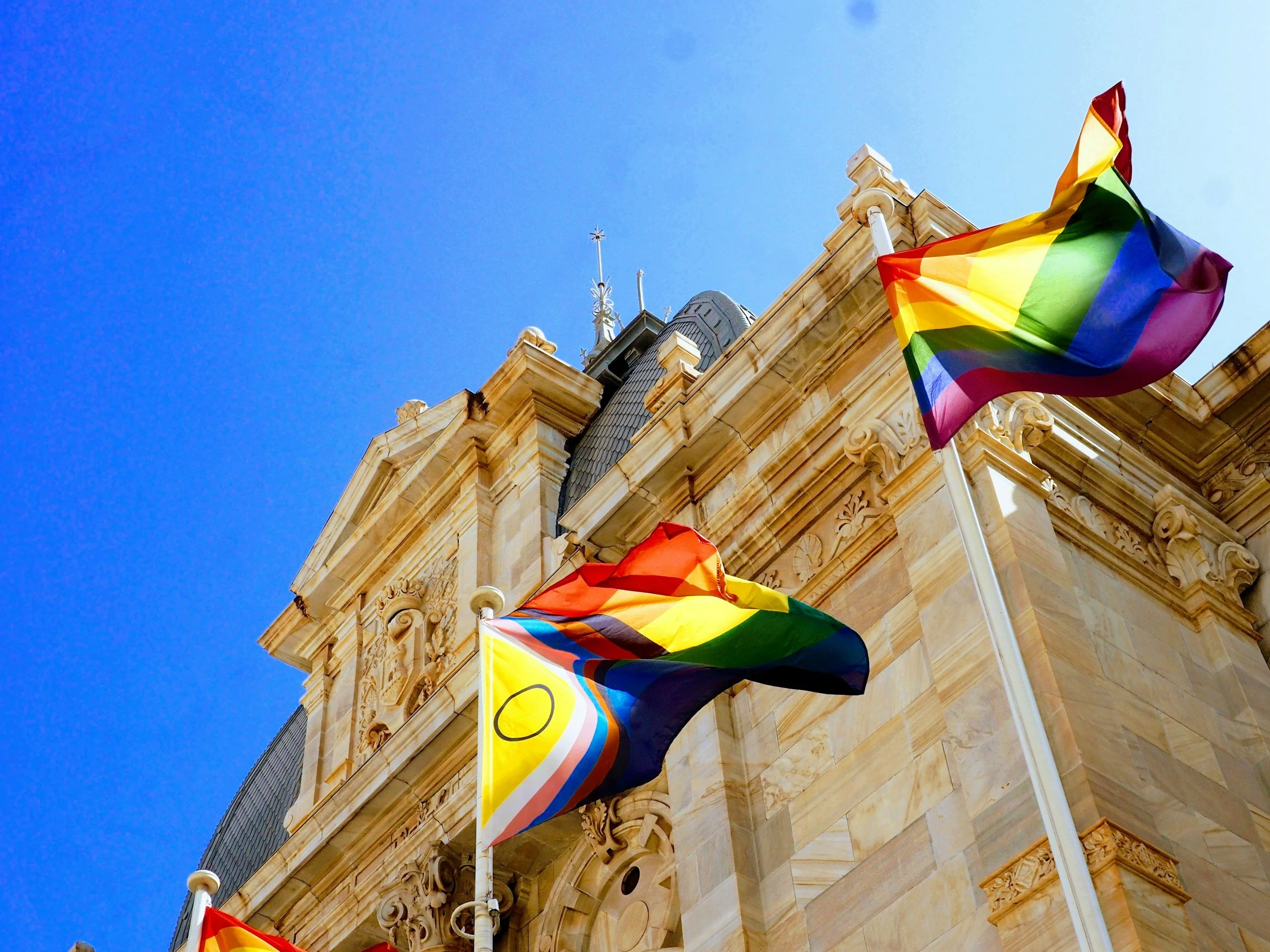
©ecvirl
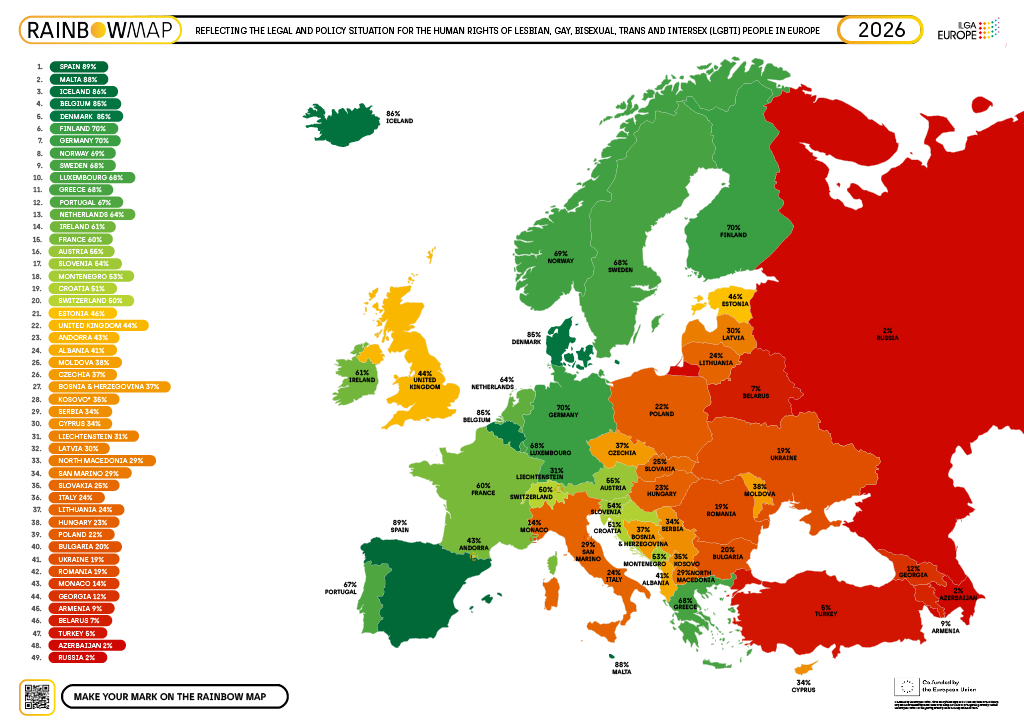
For the first time in ten years, Malta is no longer the number one country for LGBTQ+ rights in Europe. According to the latest Rainbow Map released by ILGA-Europe, Spain has officially claimed the top spot in 2026 — marking a major shift in Europe’s queer rights landscape.
The annual Rainbow Map, now in its 18th edition, ranks 49 European countries based on laws, protections, and policies impacting LGBTQ+ people. And this year, Spain’s rapid legal and political progress pushed it ahead of Malta’s long-standing dominance.
But why did Spain rise so fast? And what exactly is ILGA-Europe measuring?
What Is ILGA-Europe?
©ILGA
ILGA World — short for the International Lesbian, Gay, Bisexual, Trans and Intersex Association — is one of the world’s largest LGBTQ+ human rights federations.
Founded in 1978, ILGA World brings together more than 2,000 organizations across over 170 countries and territories, all working toward equality, safety, and freedom for LGBTQ+ communities worldwide.
Its European branch, ILGA-Europe, unites over 700 organizations from 54 countries across Europe and Central Asia. Every year, the organization publishes the highly influential Rainbow Map — considered one of the most important benchmarks for LGBTQ+ rights in Europe.
The ranking evaluates countries across several categories including:
Legal gender recognition
Anti-discrimination laws
Hate crime protections
Family rights
Asylum protections
Freedom of expression and assembly
Trans healthcare policies
Intersex rights
The result? A snapshot of which countries are progressing — and which are moving backward.
Spain Takes the Crown From Malta
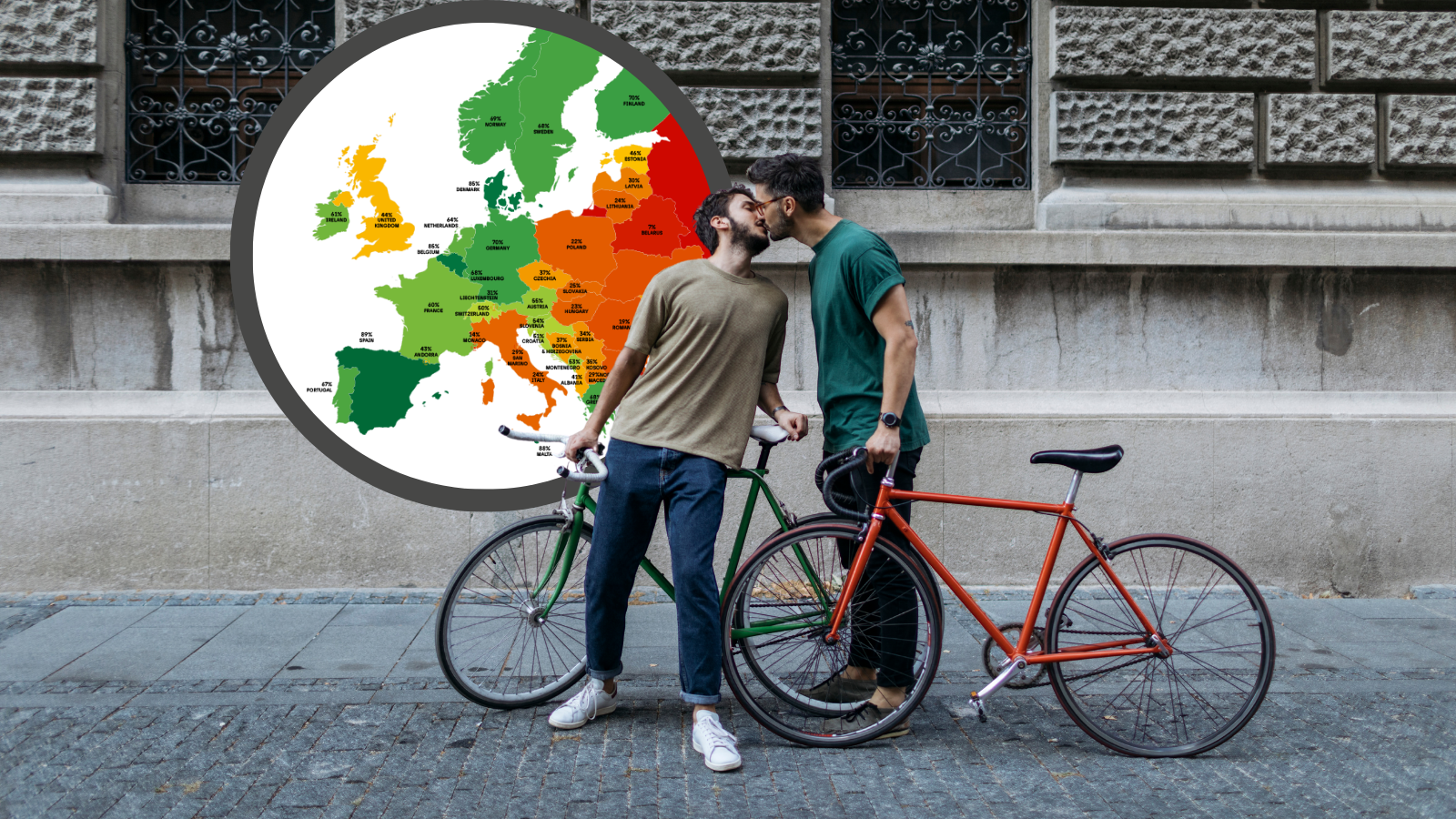
Spain’s rise to number one didn’t happen overnight.
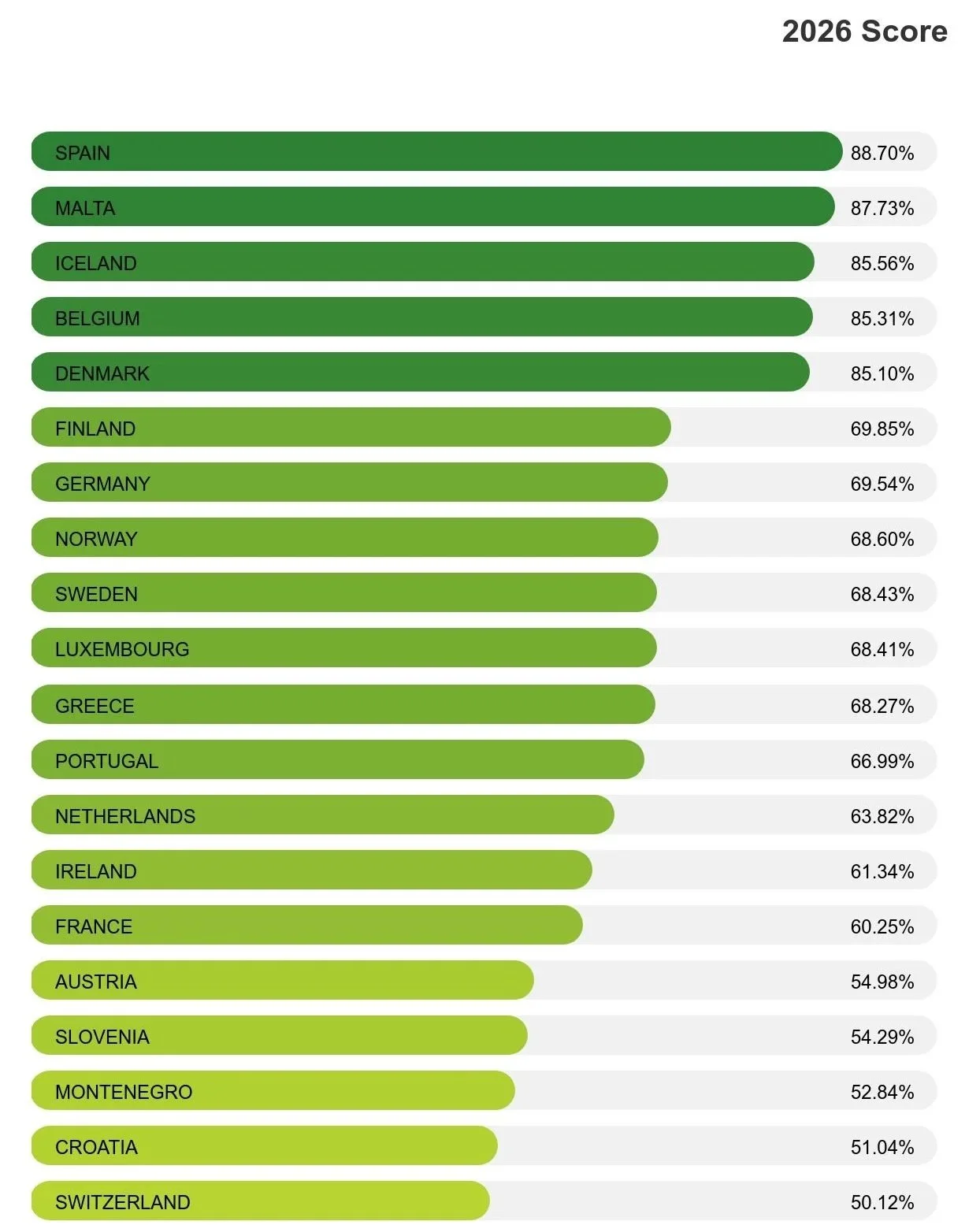
According to ILGA-Europe, the country climbed to the top after introducing a wave of new legal protections and progressive LGBTQ+ policies, especially around trans rights and anti-discrimination measures.
Among the key reasons Spain now leads Europe:
A fully functioning depathologisation model for trans healthcare
New national LGBTQ+ and trans inclusion strategies
Stronger legal protections against discrimination
The creation of an independent equality and non-discrimination authority
Political resistance against far-right attempts to roll back trans protections
In other words, Spain didn’t just maintain LGBTQ+ rights — it actively expanded them.
And in today’s political climate, that matters more than ever.
More Than Politics: A Symbolic Shift in Europe
Spain’s victory on the Rainbow Map is bigger than rankings and percentages.
Across Europe, LGBTQ+ rights are increasingly becoming political battlegrounds. Far-right movements and authoritarian rhetoric continue to target queer and trans communities in multiple countries, making legal protections more fragile than many people realize.
That’s why Spain’s rise feels symbolic.
ILGA-Europe Deputy Director Katrin Hugendubel described Spain’s success as proof that governments still have the power to choose equality over regression.
According to Hugendubel, Spain’s number one ranking shows what can happen “when a government makes a deliberate choice to advance equality rather than retreat from it.”
How about Finland?

©Raúl Medina
Finland is doing something right—and it’s time to talk about it. Finland is recognized for fully recognizing trans parenthood and providing rights to same-sex parents.
Following the 2023 law reform, ILGA-Europe applauded Finland for implementing a legal gender recognition procedure based on self-determination, removing requirements for mandatory psychiatric diagnoses or sterilization. Read more here.
©Rainbow Map 2026 ILGA
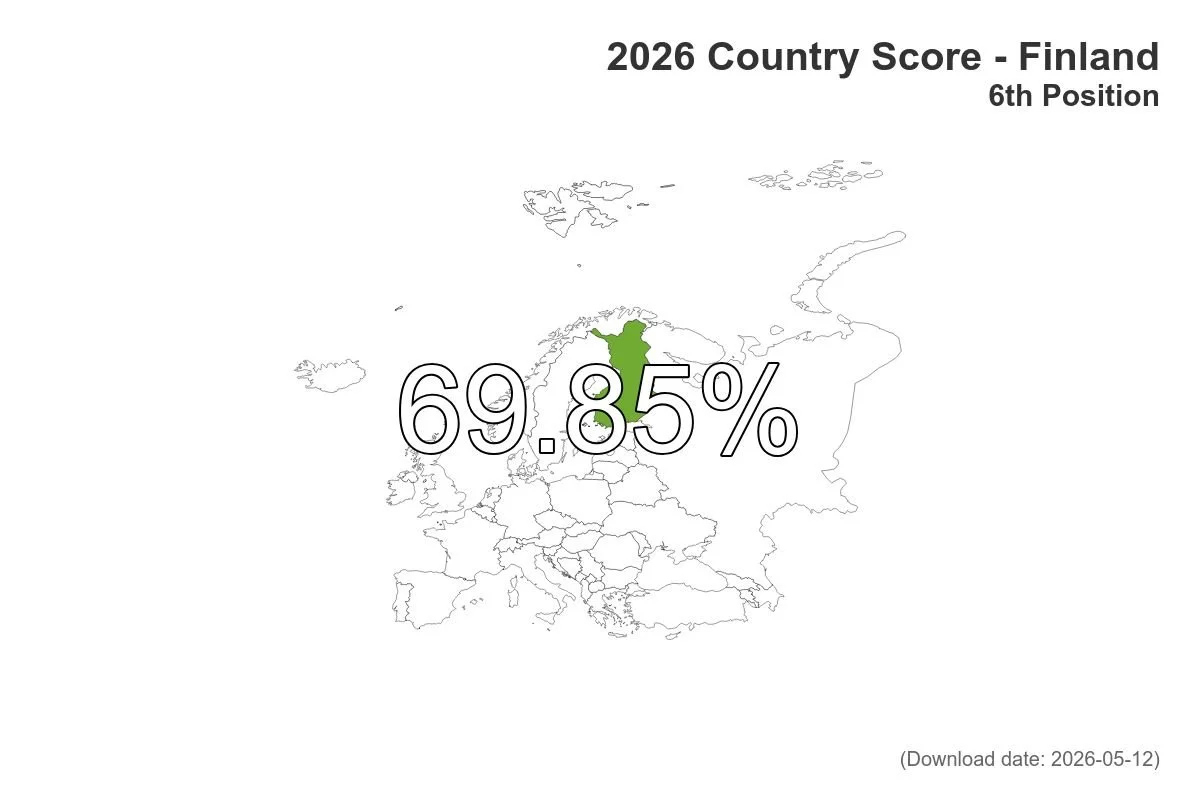
Finland is ranked 6th among 49 European countries with a score of 70%, positioning it among the top countries for LGBTQ+ legal and policy rights in Europe. Finland shares this high ranking with other Nordic countries like Iceland and Denmark.
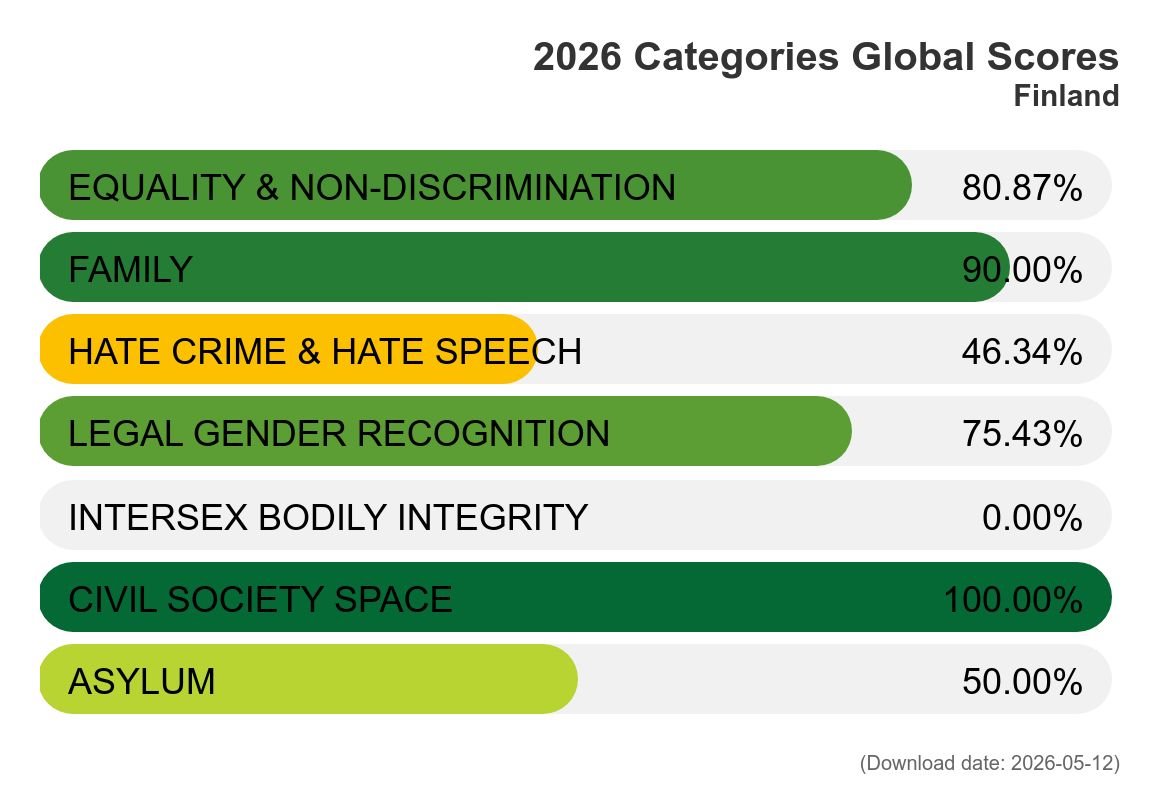
CATEGORIES SCORE - ©Rainbow Map 2026 ILGA
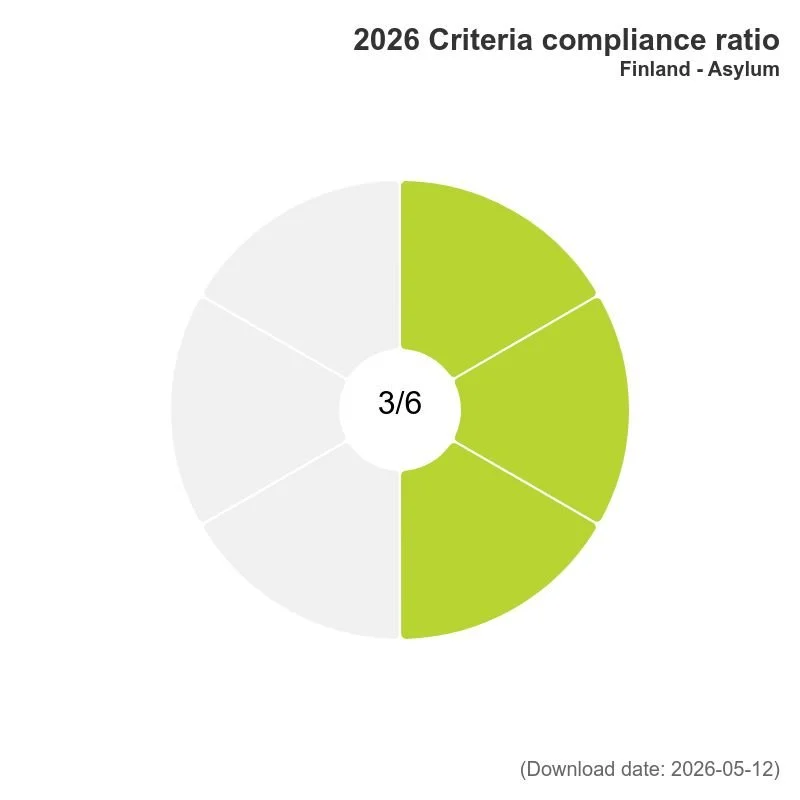
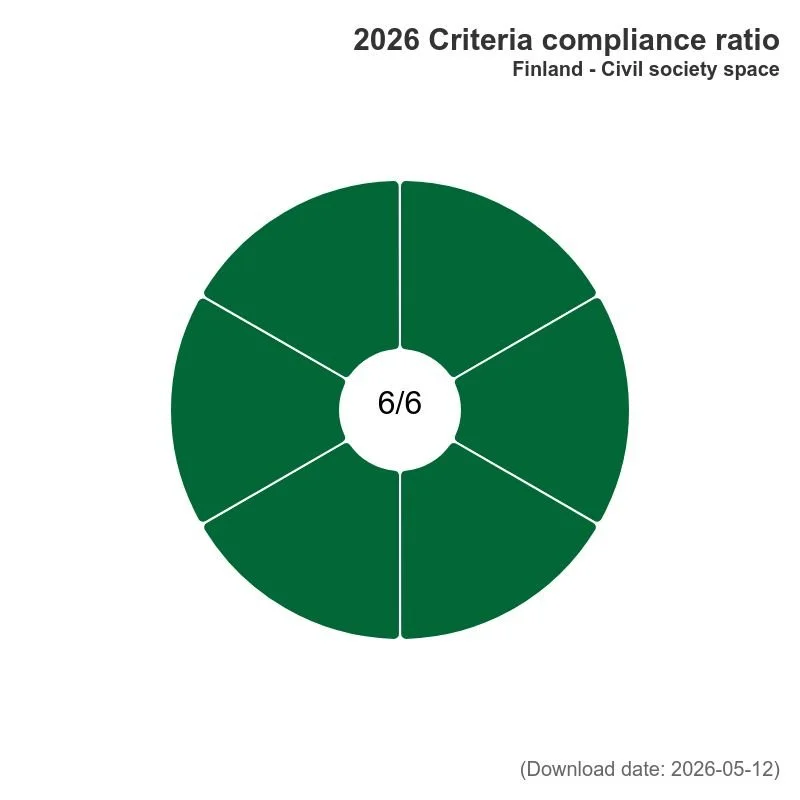
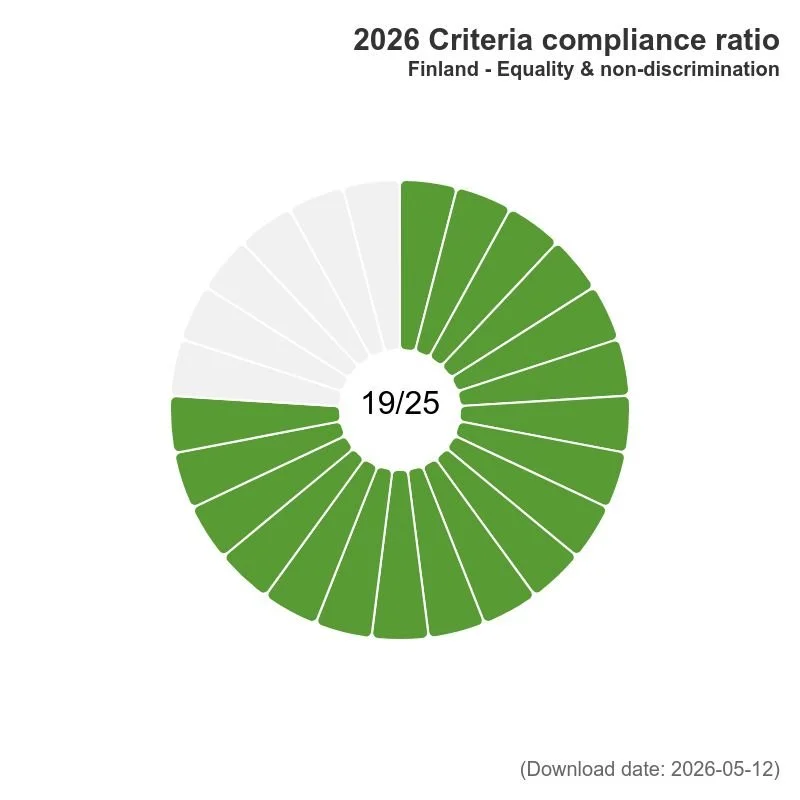
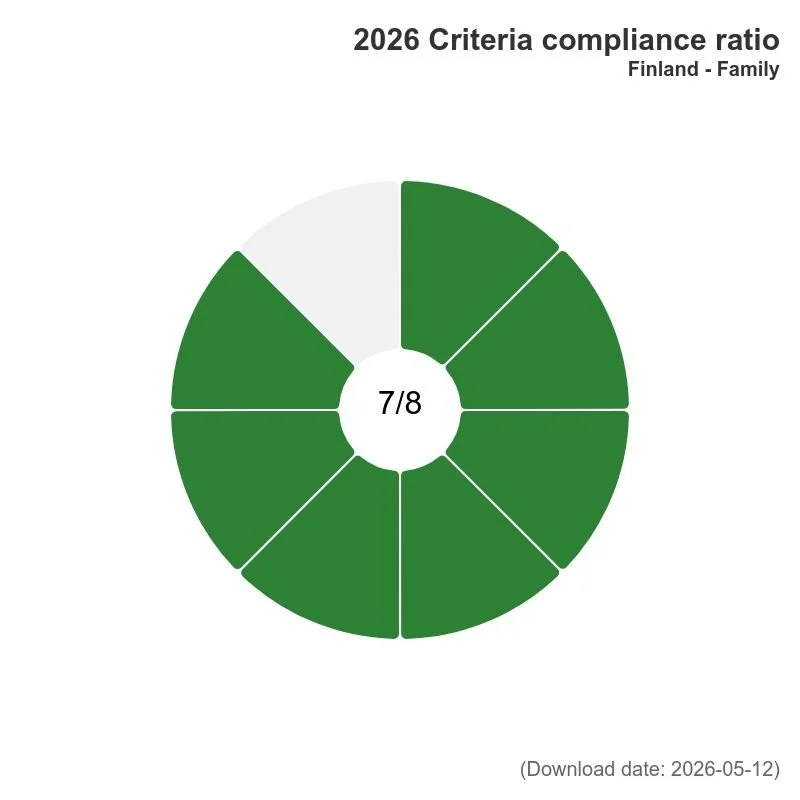
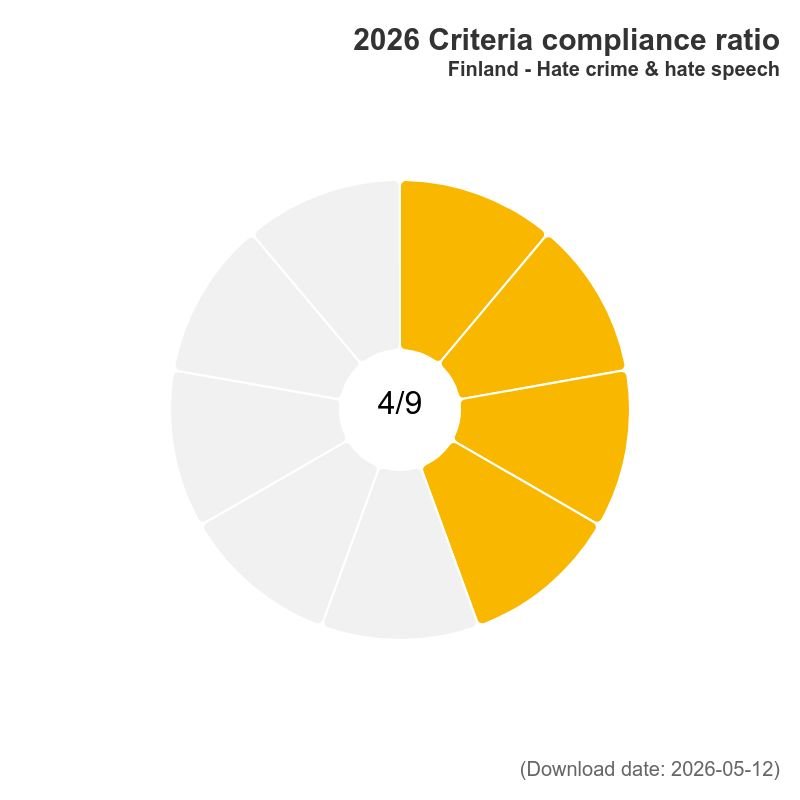
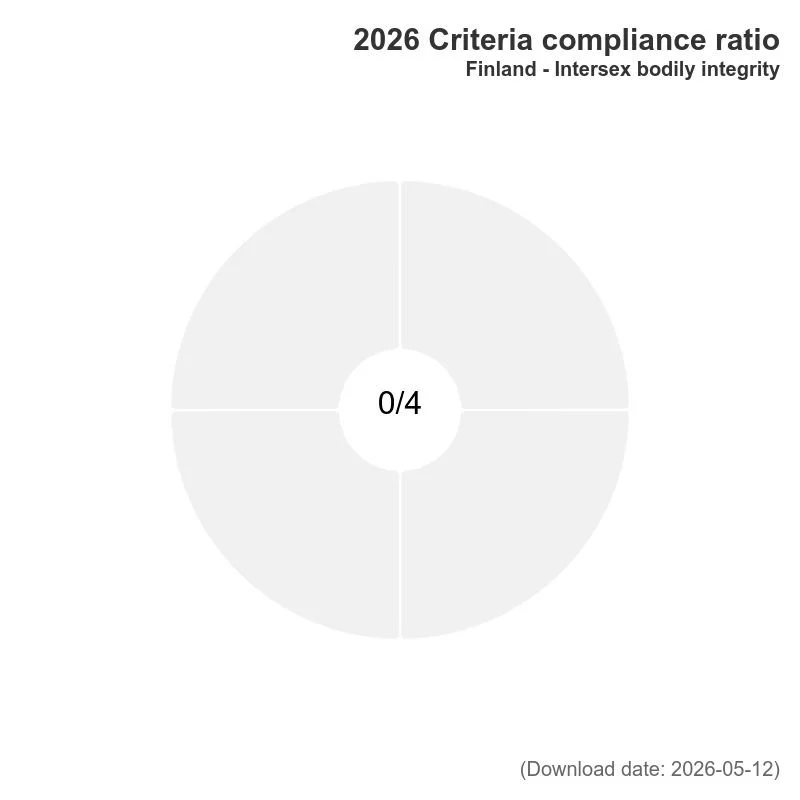
©Rainbow Map ILGA Europe. Keep in mind the criteria have different weighting factor within a category; for example, the criteria Prohibition of medical intervention without informed consent (intersex) stands for half (2.5%) of the INTERSEX BODILY INTEGRITY category weighting factor (5%). Meaning that even if a country can only comply with this specific criteria within the category (1/4 total criteria) the category scores 50%. More information on the categories and criteria weighting factors here.What does Finland need to do to become number 1?
Does not Comply:
Conversion Practices Ban (Sexual Orientation)
Equal Action Plan (Sexual Orientation)
Constitution (Gender Identity)
Registered Partnership (Similar Rights to Marriage)
Hate Crime Law (Sex Characteristics)
Hate Speech Law (Sex Characteristics)
Non-Binary Recognition
Legal Gender Recognition Procedures Exist for Minors
Prohibition of Medical Intervention Without Informed Consent (Intersex)
Access to Justice for Victims and Reparations
Asylum Law (Sex Characteristics)
Read MoreHere
Trans Rights Remain Europe’s Biggest Battleground
One of the most revealing parts of this year’s Rainbow Map is the ongoing divide over trans rights across Europe. While several governments continue introducing anti-trans narratives and restrictions, some countries are still moving — slowly — toward progress.
Why This Story Matters Globally
For LGBTQ+ communities worldwide, Europe is often viewed as a benchmark for equality and human rights protections.
But the new Rainbow Map proves that progress is never permanent. Rights can advance. Rights can stagnate. And rights can disappear.
Spain’s rise shows what political commitment can achieve. At the same time, increasing violence and anti-LGBTQ+ rhetoric across Europe remind us that visibility without protection is never enough. The fight for equality is no longer only about passing laws. It’s about defending democracy, protecting vulnerable communities, and ensuring queer people can exist safely both online and offline.
And in 2026, that conversation feels more urgent than ever.
Read More & Connect With Queerland Media
👉 check out the bio.site for the link to read more or visit queerlandmedia.com
Have a story, representation, artist, or LGBTQ+ issue you think deserves visibility?
We want to hear from you.
Contact us at: hello@queerlandmedia.com
