
The Grindr partnership proves Madonna still understands LGBTQ+ audiences better than most modern brands.
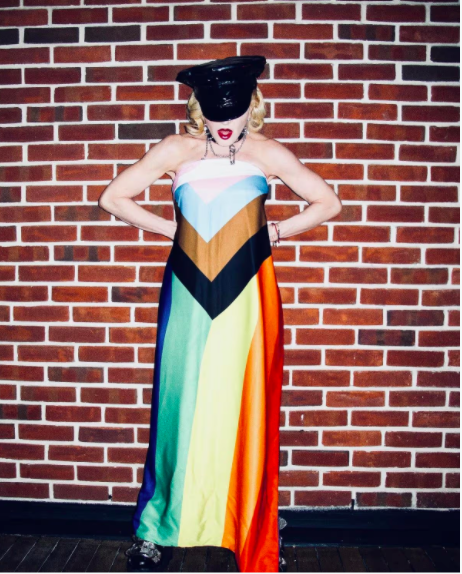
She's been a huge figure in the LGBTQ+ community(Image: Madonna/Instagram)
There are pop stars. There are icons. And then there is Madonna — a woman who has spent more than four decades understanding one thing better than almost anyone in entertainment:
The LGBTQ+ community doesn’t just consume culture. We amplify it.
And with the rollout of Confessions II, Madonna proved once again that nobody understands queer marketing psychology quite like she does.
Because this wasn’t just another album campaign. This was precision. This was intimacy. This was digital-era queer strategy executed at the highest level.
And honestly? As a gay man, as a longtime Madonna fan, and as someone who understands media and audience behavior, I have to say it:
She got me. Completely.
The Grindr Campaign Was Bold, Smart — And Honestly Brilliant

Madonna Instagram
When Madonna appeared directly inside Grindr earlier this year, the internet exploded. Some people hated it. Some called it desperate. Others said it was “too much.”
But many of us immediately understood exactly what she was doing. And more importantly:
why it worked.
Starting in April 2026, users opening Grindr were suddenly seeing Madonna’s profile sitting literally 0 feet away from them on the grid.
Pink visuals. “Mother” branding. Voice memos from “Motha.”
Exclusive vinyl access. Direct engagement inside queer digital spaces.
That is not random marketing. That is behavioral audience targeting at an elite level. Madonna’s team understood something the music industry still struggles to admit:
“Queer audiences don’t just support pop culture. They decide what becomes culture.”
And she went directly to the source.
“When You Have the Gays, the Straights Will Follow”

Photo by Maurício Mascaro
The music industry has known this for decades, even if they rarely say it out loud.
LGBTQ+ nightlife shapes trends. Gay clubs break records before radio stations do. Queer communities decide what becomes viral long before the mainstream catches up.
Madonna has understood this since the beginning of her career.
That’s why the Confessions II campaign feels less like advertising and more like cultural fluency. She isn’t trying to convince Gen Z she’s relevant. She’s reminding the LGBTQ+ community that she still speaks our language. And suddenly, everybody else starts paying attention too.
The Abbey Performance Wasn’t Just a Surprise.
When Madonna appeared at The Abbey in West Hollywood for her private “Club Confessions” party, it instantly became one of the most talked-about queer pop culture moments of 2026.
Packed dancefloor.
Exclusive previews.
Sweaty queer nightlife energy.
Phones recording every second for TikTok, Instagram Reels, and X.
Then came the line that immediately spread across social media:
“Hello children, mother is here to save you. Are you ready to dance for me?”
That wasn’t accidental branding. That was Madonna weaponizing authenticity. And in 2026, authenticity performs better than overproduced PR campaigns every single time.
Confessions II Understands Modern Attention Spans
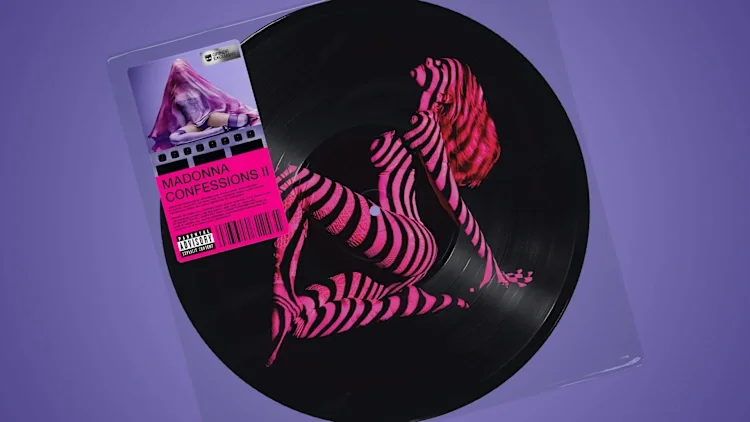
Madonna instagram
One of the smartest things about this campaign is how visually engineered it feels for today’s internet.
High-fashion photography. Luxury editorial aesthetics. Hyper-shareable visuals. Queer-coded nightlife imagery. TikTok-ready snippets. Instagram carousel culture.
By reconnecting with fashion-forward creative collaborators and leaning back into the glamorous DNA that made Confessions on a Dance Floor iconic, Madonna isn’t chasing nostalgia.
Madonna’s new album, Confessions II (or Confessions on a Dance Floor: Part II), is scheduled to be released on July 3, 2026. The album is a sequel to her 2005 hit album Confessions on a Dance Floor, created in collaboration with producer Stuart Price.
She’s monetizing emotional memory. And there’s a difference.
Nostalgia Alone Doesn’t Work Anymore. Emotional Connection Does.
Many legacy artists try to recreate old eras.
Most fail because audiences can smell manufactured nostalgia immediately. But Confessions II works because it connects generations.
Older fans feel emotionally transported back to 2005.
Younger LGBTQ+ audiences experience the campaign through modern digital culture.
That balance is incredibly difficult to achieve. Yet Madonna somehow made a legacy sequel feel current, sexy, ironic, self-aware, and deeply queer all at once.
That’s not luck. That’s instinct.
Some People Didn’t Like the Grindr Partnership. That’s Exactly Why It Worked.
The best marketing campaigns create conversation. Safe campaigns disappear in 24 hours.
But Madonna has never built her career around playing safe. The Grindr collaboration sparked debate precisely because it challenged expectations about age, sexuality, pop relevance, and queer identity.
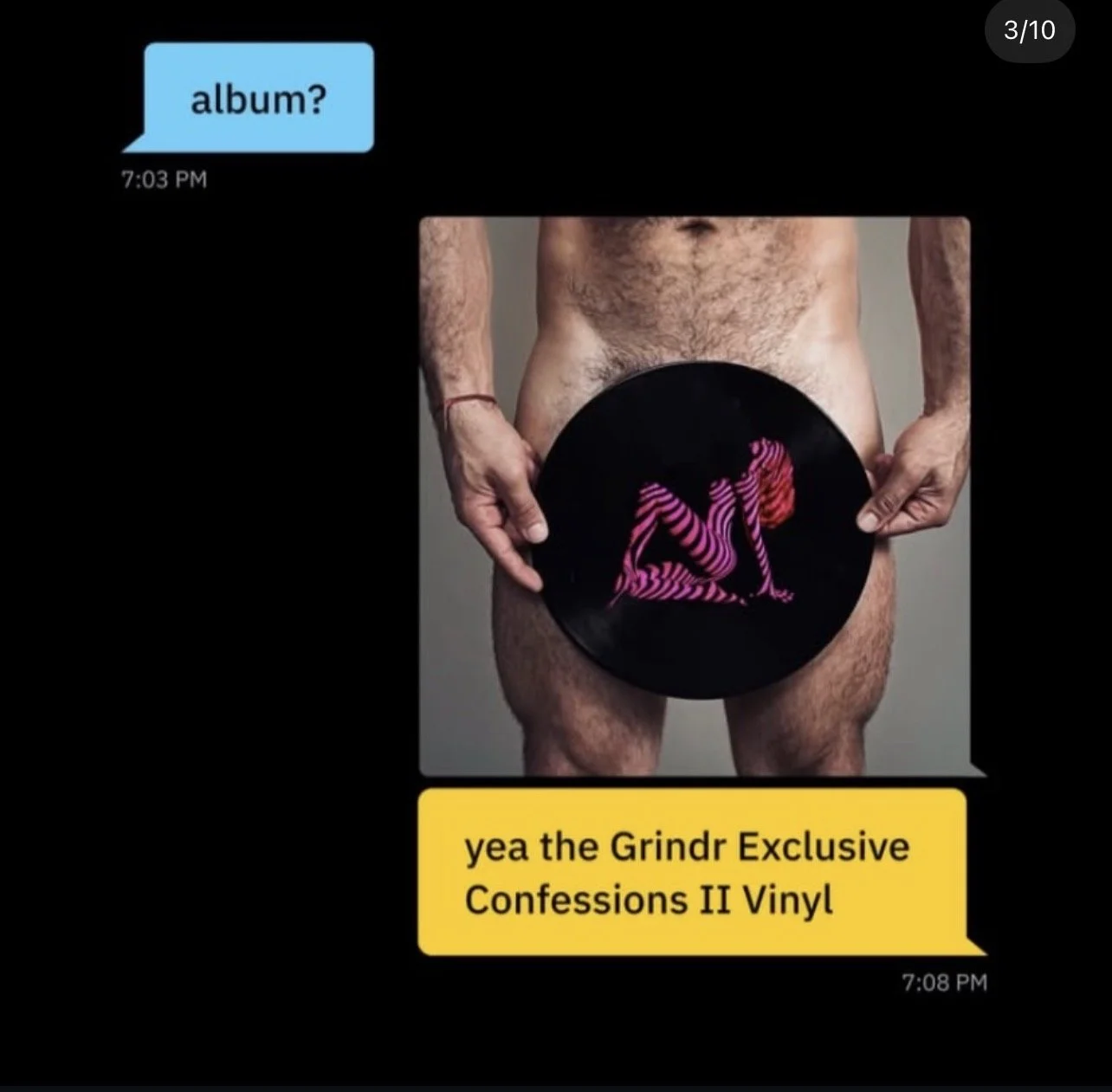
Madonna has taken over Grindr for the release of Confessions II. Exclusive content, a limited-edition vinyl picture - Grindr profile
And every conversation generated more visibility.
More reposts.
More reaction videos.
More headlines.
More curiosity.
More streams.
That is modern marketing. Attention is currency. And Madonna still knows how to dominate the economy of attention better than artists half her age.
Madonna Still Understands Her Core Audience Better Than Most Brands Do
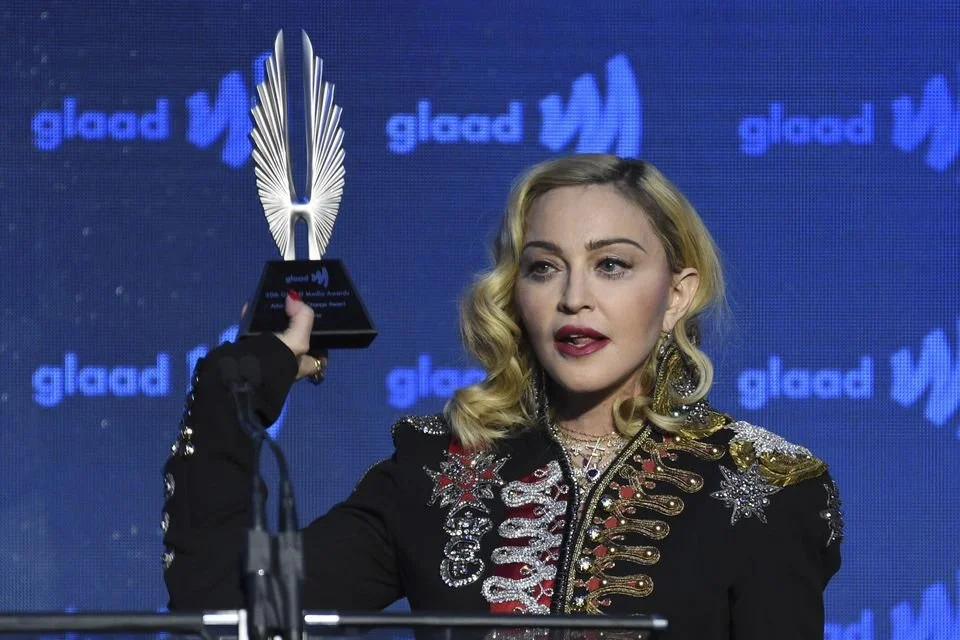
Madonna accepts the advocate for change award (Evan Agostini/AP) Madonna pays tribute to gay friends as she accepts advocate for change award. The singer said that her friendships with gay people had helped her accept herself.
This may be the most important part of the entire campaign.
Madonna knows who stayed loyal. The LGBTQ+ community carried her music through generations, through controversies, through reinventions, through every cultural shift imaginable.
And instead of pretending otherwise, she leaned directly into it.
No dilution.
No distancing herself from queer identity.
No sanitizing the message for mainstream approval.
Just direct engagement with the audience that helped build the mythology in the first place.
That honesty matters.
Especially now.
Final Thoughts: Madonna Didn’t Follow The Rules. She Rewrote Them Again.
There’s a reason Madonna remains culturally dangerous after 40+ years in music.
She understands that pop music is not only about songs.
It’s about identity.
Fantasy.
Belonging.
Community.
Conversation.
And knowing exactly where your audience lives — digitally, emotionally, and culturally.
The Confessions II rollout with Grindr wasn’t desperate.
It wasn’t random. It was one of the sharpest LGBTQ+ marketing campaigns we’ve seen in years. And whether people loved it or hated it, everybody talked about it. Which means Madonna achieved exactly what she wanted. Again.
Read More From Queer Voices Around The World
Discover more LGBTQ+ stories, interviews, culture, entertainment, visibility, and queer conversations at:
Queerland Media
👉 Check out the bio.site for the link to read more or visit queerlandmedia.com
If you have a story, representation, community topic, or LGBTQ+ news you believe deserves visibility, we would love to hear from you.
Contact us: hello@queerlandmedia.com and dm’s instagram
