
©GETTY IMAGES
From the first openly gay man elected to the US Senate to transgender, nonbinary, lesbian and bisexual lawmakers breaking barriers across the country, the 2026 midterm elections delivered a powerful message: LGBTQ+ representation belongs at every level of government.
The 2026 US midterm elections were about much more than political parties, congressional seats or the balance of power in Washington. They became a defining moment for representation, visibility and the future of LGBTQ+ rights in America.
On November 3, voters delivered a major electoral victory for Democrats, creating what many are calling a Blue Wave. But there was another story unfolding across the country, one that deserves just as much attention: the Rainbow Wave 2026.
From Congress to state legislatures and governors' offices, openly LGBTQ+ candidates secured historic victories, defended their seats and opened doors that had remained closed for generations.
Among the night's biggest breakthroughs was Chris Pappas, who became the first openly gay man elected to the United States Senate. Sarah McBride, the first openly transgender member of Congress, won reelection, while Georgia elected its first openly transgender and nonbinary state lawmaker.
These were not isolated victories. They were part of a broader movement of LGBTQ+ people stepping into positions of political power across America.
And the timing matters.
Why these elections matter beyond the United States
Midterm elections take place halfway through a US president's four-year term. Every seat in the House of Representatives and roughly one-third of the Senate are contested, alongside numerous state-level positions.
The results can fundamentally change how much power a president has to advance their political agenda.
Under Donald Trump's second administration, LGBTQ+ rights, particularly transgender rights, have become central to a series of political and legal battles. Policies targeting diversity, equity and inclusion initiatives, restrictions affecting transgender people in the military, and efforts to limit gender-affirming care have intensified concerns about the direction of LGBTQ+ protections in the country.
These decisions do not exist in a vacuum. The United States has considerable cultural, diplomatic and political influence, and its domestic policies can shape conversations about equality and human rights far beyond its borders. For LGBTQ+ communities around the world, what happens in Washington matters.
That is precisely why these election results deserve international attention.
Why openly LGBTQ+ politicians matter
Let's be clear: being LGBTQ+ does not automatically make someone a better politician, nor does it mean every queer elected official will share the same political priorities.
But representation matters.
When openly LGBTQ+ people occupy positions of political power, they challenge the idea that public leadership belongs to only one kind of person. They bring their experiences, perspectives and voices into institutions where LGBTQ+ communities have historically been excluded or misrepresented.
Visibility also sends a powerful message to younger generations, especially LGBTQ+ teenagers and young adults who may still be questioning whether they can live openly, pursue their ambitions and participate in shaping the world around them.
There is a difference between having someone speak about LGBTQ+ people and having LGBTQ+ people sitting at the table where decisions are made.
We need both allies and LGBTQ+ leaders. And we need them where political power actually lives.
Here are the openly LGBTQ+ candidates who made headlines in the 2026 US midterm elections.
The new faces making LGBTQ+ political history
Chris Pappas — US Senate, New Hampshire
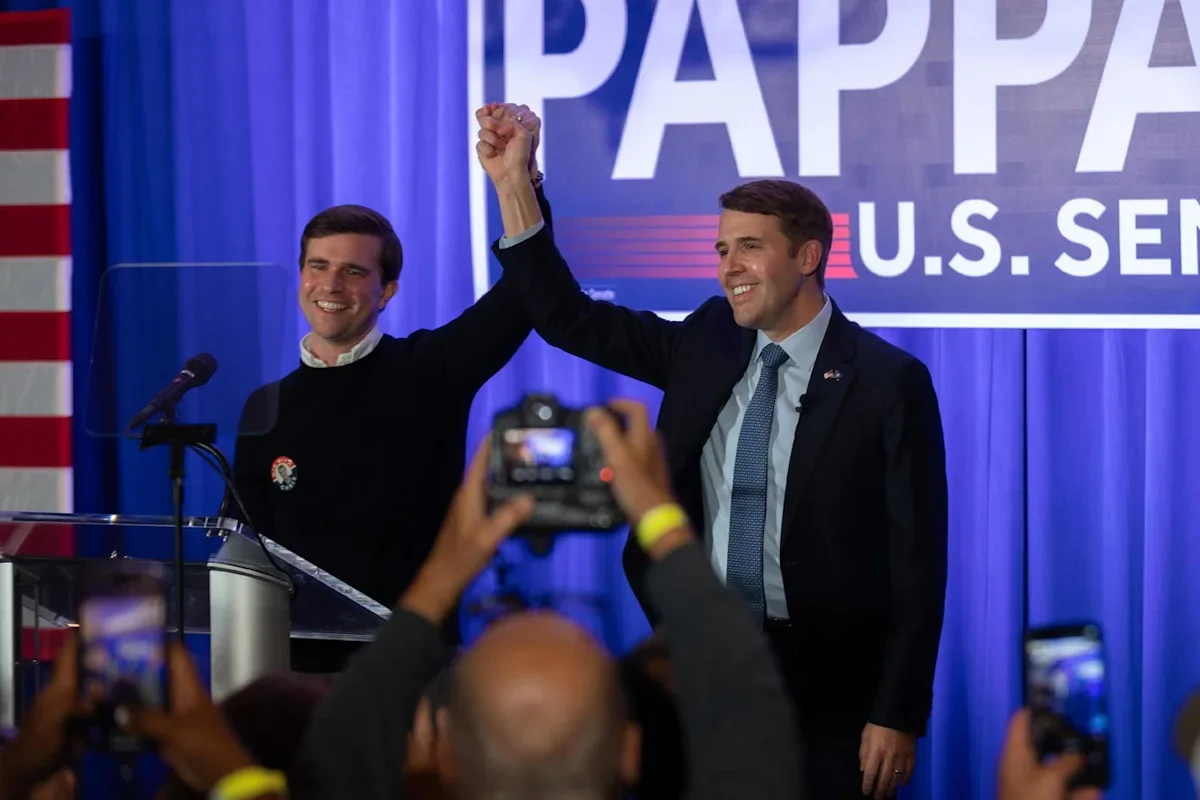
Photo:EFE
Historic first: First openly gay man elected to the US Senate.
One of the most significant victories of the night. Democrat Chris Pappas defeated Republican John E. Sununu, becoming the first openly gay man elected to the United States Senate. His election represents a major milestone for LGBTQ+ visibility at the highest level of federal legislative government.
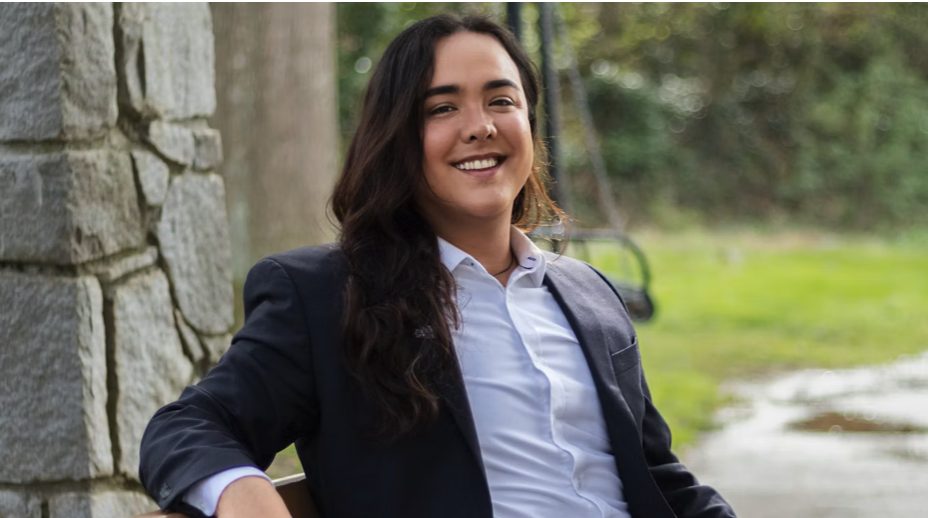
Bentley Hudgins — Georgia House of Representatives
Nonbinary Georgia Democrat Bentley Hudgins set to make history: ‘Hope is a discipline’ ©Anna Girzone
Historic first: Georgia's first openly transgender and nonbinary state lawmaker.
Bentley Hudgins made history by winning a seat in the Georgia Assembly, defeating Republican Samantha Boston. Their victory is especially significant in a Southern state where transgender rights have become a major political battleground. Hudgins' campaign also focused on housing, wages, transportation and the needs of local communities.
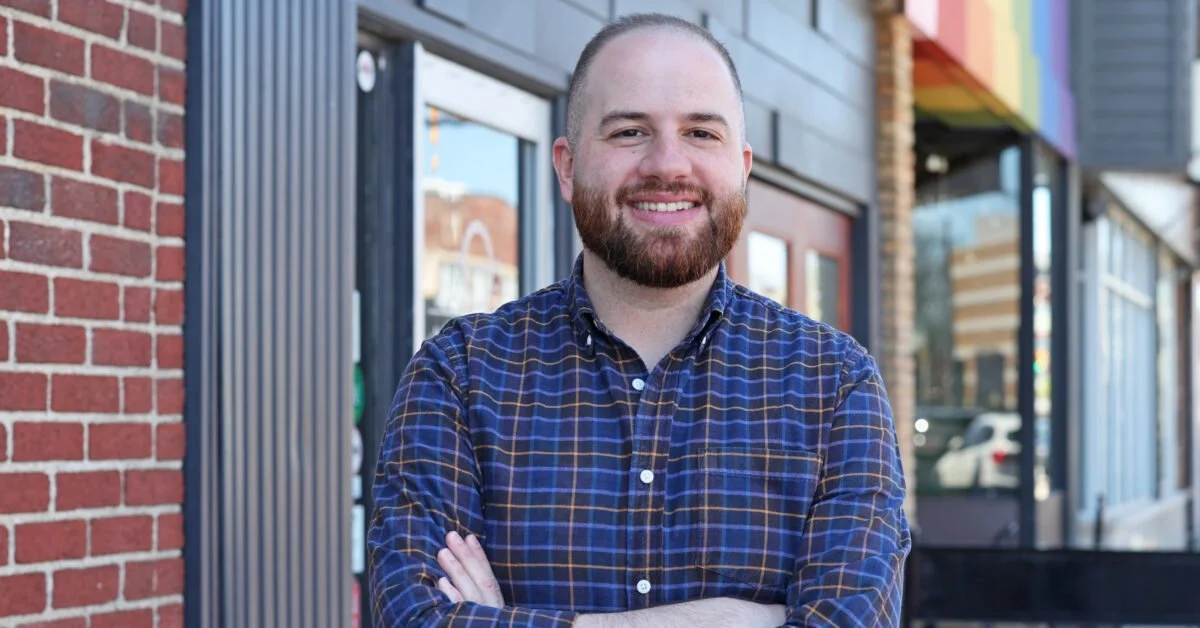
Jeremy Moss — US House of Representatives, Michigan
Jeremy Moss was elected to be Michigan’s first out LGBTQ+ member of Congress. He wants Democrats to fight harder.Courtesy Jeremy Moss
Historic first: Michigan's first openly LGBTQ+ member of Congress.
Democratic state senator Jeremy Moss won Michigan's 11th Congressional District, becoming the first openly LGBTQ+ person from Michigan elected to the US House. His political career has included work securing explicit civil rights protections for LGBTQ+ residents.
JoAnna Mendoza — US House of Representatives, Arizona
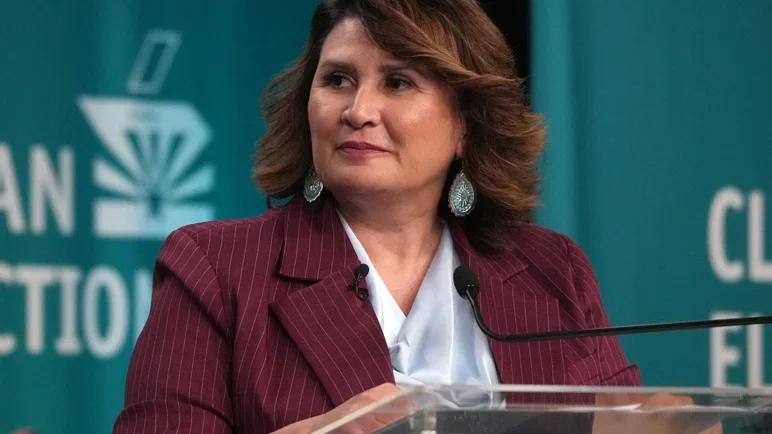
JoAnna Mendoza - ©USA TODAY NETWORK via Images
Historic milestone: An openly LGBTQ+ Marine veteran elected to Congress.
JoAnna Mendoza defeated Republican incumbent Juan Ciscomani in Arizona's 6th Congressional District. An openly LGBTQ+ former Marine who served during the military's Don't Ask, Don't Tell era, Mendoza brings both military experience and a personal understanding of discrimination to Congress.
Marni von Wilpert — US House of Representatives, California
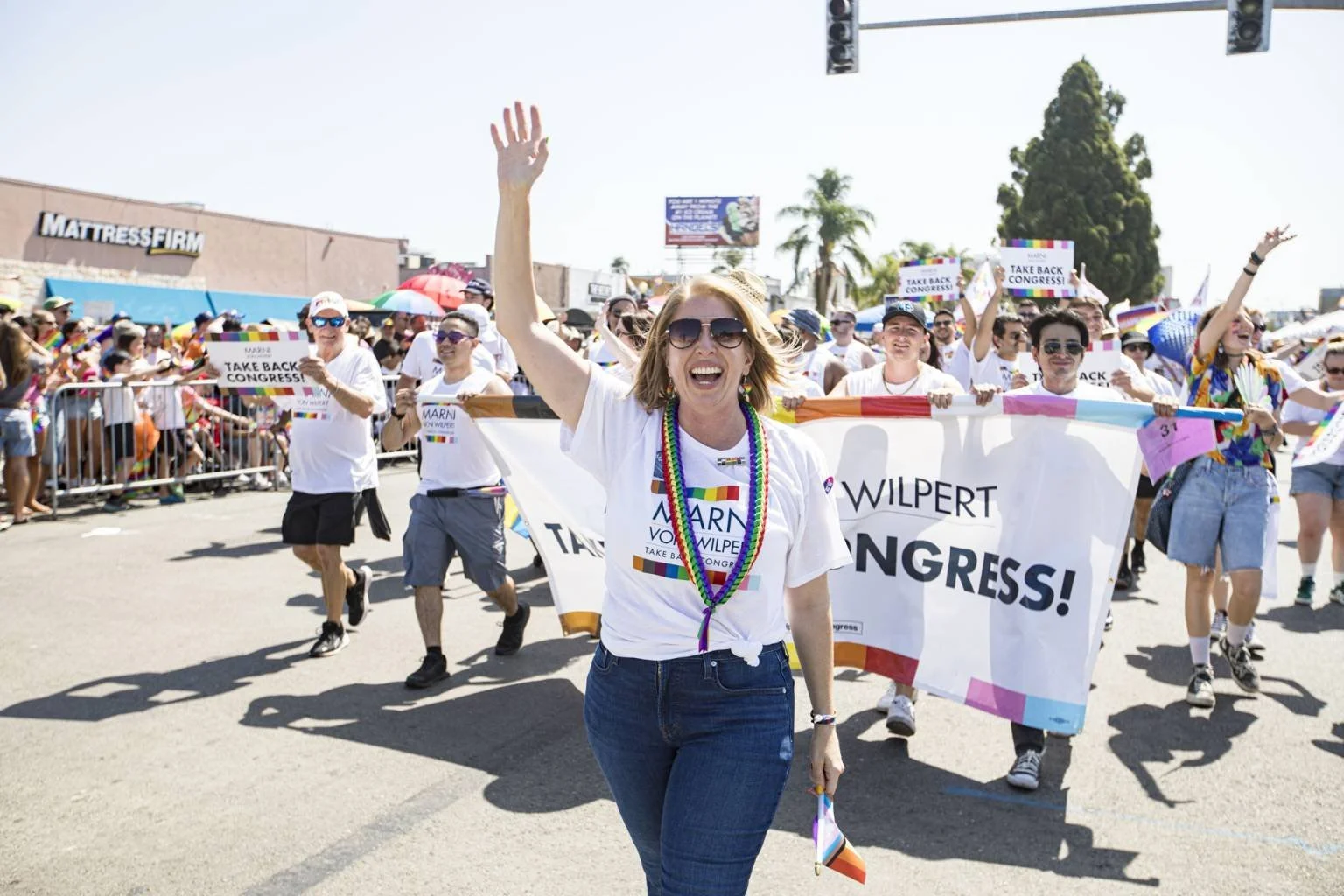
Congressional candidate Marni Von Wilpert marches during the 2026 San Diego Pride Parade on July 18, 2026, in San Diego, California. (Daniel Knighton/Getty Images)
Historic milestone: An openly bisexual representative elected to Congress.
Marni von Wilpert, a bisexual Democrat and former San Diego City Council member, defeated Republican Jim Desmond in California's 48th Congressional District. Her victory flipped the seat and brings another openly LGBTQ+ voice to Washington.
JD Ford — US House of Representatives, Indiana
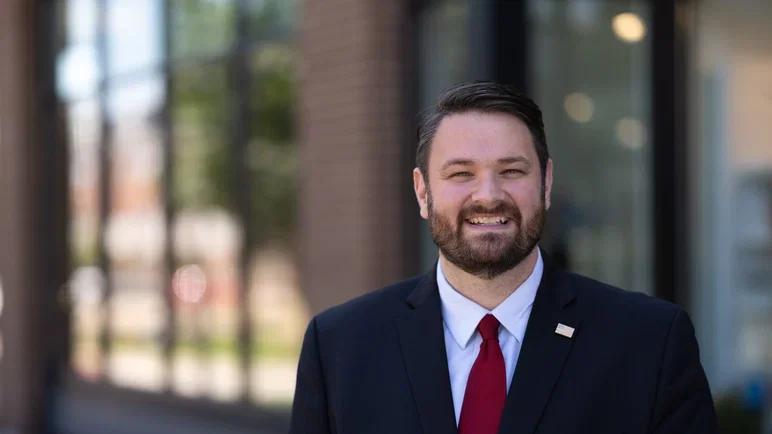
JD Ford | Campaign Photo
Historic first: Indiana's first openly gay member of Congress.
Democrat JD Ford defeated Republican incumbent Victoria Spartz, marking a historic breakthrough for LGBTQ+ representation in Indiana's federal delegation. His election demonstrates that openly LGBTQ+ candidates can compete and win even in politically challenging states.
LGBTQ+ politicians who won reelection
These victories matter just as much. Winning a second, third or even eighth term means maintaining a political presence, defending representation and continuing the work of shaping public policy.
Sarah McBride — US House of Representatives, Delaware
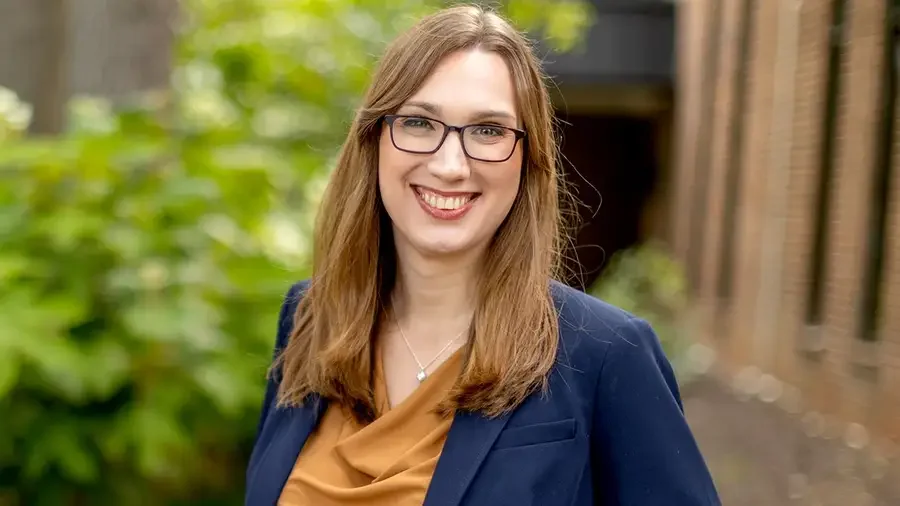
Sarah McBride, the first out trans member of Congress - ©McBride for Delaware
Historic first: The first openly transgender member of the US Congress.
Sarah McBride won reelection, continuing her groundbreaking role as the first openly transgender person elected to the US Congress. Her presence in Washington has made transgender representation impossible to ignore, particularly amid political attacks targeting transgender Americans.
Sharice Davids — US House of Representatives, Kansas

Rep. Sharice Davids, D-Kan. Davids is one of the first two Native American women elected to the U.S. House and was the first out LGBTQ+ person elected to Congress from Kansas. ©Politico
Historic milestone: Openly lesbian and a member of the Ho-Chunk Nation.
Davids secured a fifth term in Congress, defeating Republican Eric Jenkins. She remains an important voice for LGBTQ+ representation, Native American communities and women in federal politics.
Ritchie Torres — US House of Representatives, New York
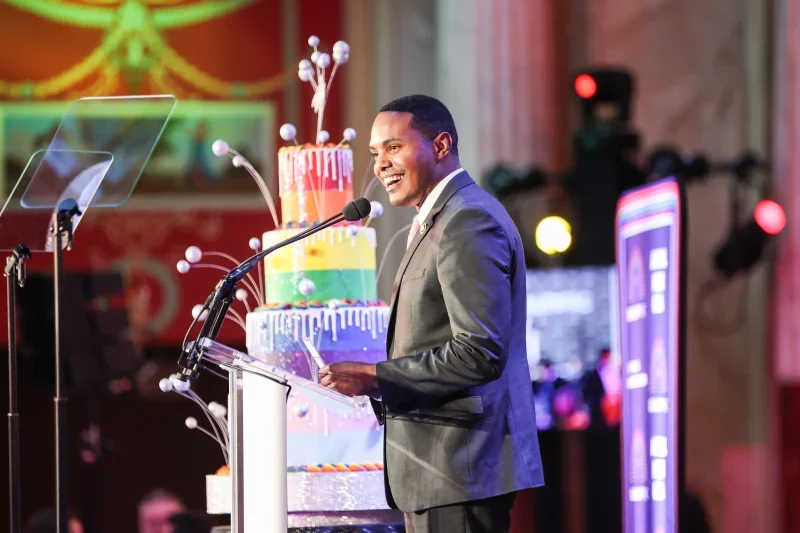
New York Rep. Ritchie Torres, seen here at Equality PAC's National Pride Gala on June 13 at Union Station in Washington, D.C., is working to increase LGBTQ representation in Congress.
Jon Fleming Photography by Equality PAC
Historic milestone: The first openly gay Afro-Latino member of Congress.
Torres won a fourth term representing New York's 15th Congressional District. His political presence brings together LGBTQ+ visibility and Afro-Latino representation, making his continued work in Congress particularly significant.
Malcolm Kenyatta — Pennsylvania House of Representatives
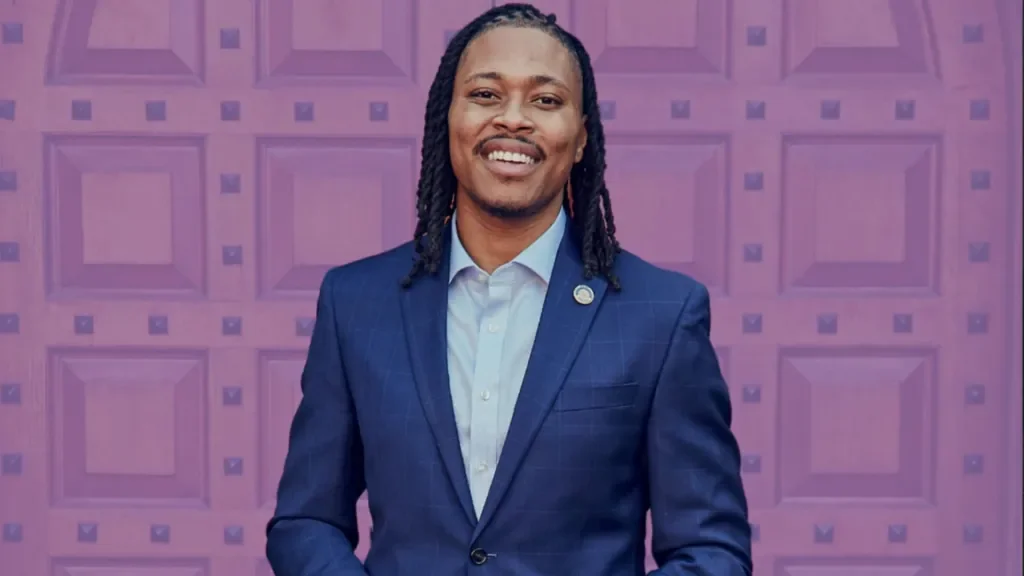
Malcolm Kenyatta. ©EPGN
Historic milestone: The first openly gay Black person elected to Pennsylvania's state legislature.
Kenyatta won a fifth term representing Pennsylvania's 181st District. A prominent LGBTQ+ political figure and Democratic National Committee vice chair, he continues to represent an important voice for Black LGBTQ+ communities.
Mark Pocan — US House of Representatives, Wisconsin
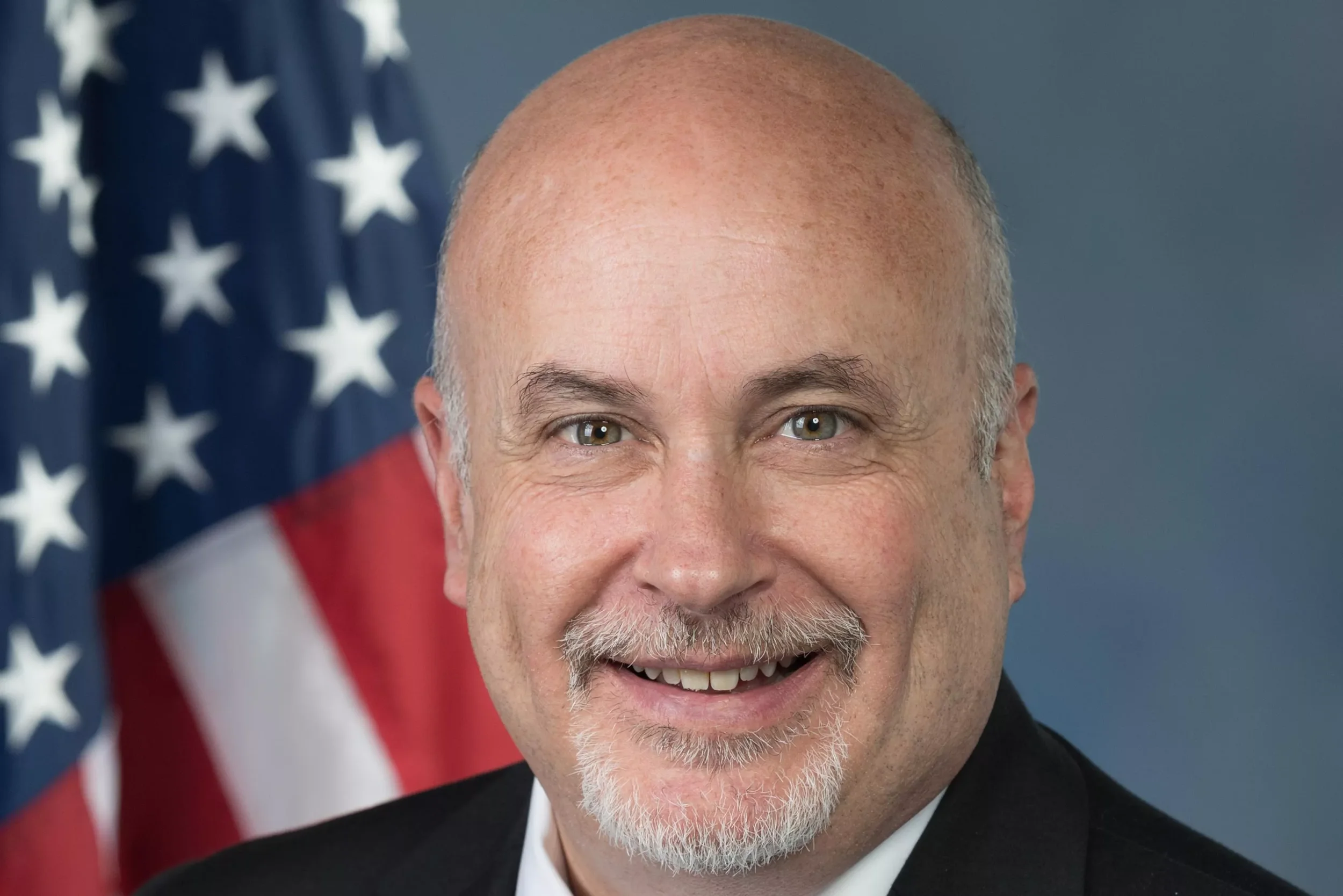
Mark Pocan is one of the longest-serving living LGBTQ+ people in Congress.Rep. Mark Pocan ©The John K. MacIver Institute for Public Policy
Historic milestone: One of the longest-serving openly LGBTQ+ members of Congress.
Pocan secured an eighth term representing Wisconsin's 2nd Congressional District. His continued presence in Washington reflects the importance of sustained LGBTQ+ representation in federal politics.
Zooey Zephyr — Montana House of Representatives
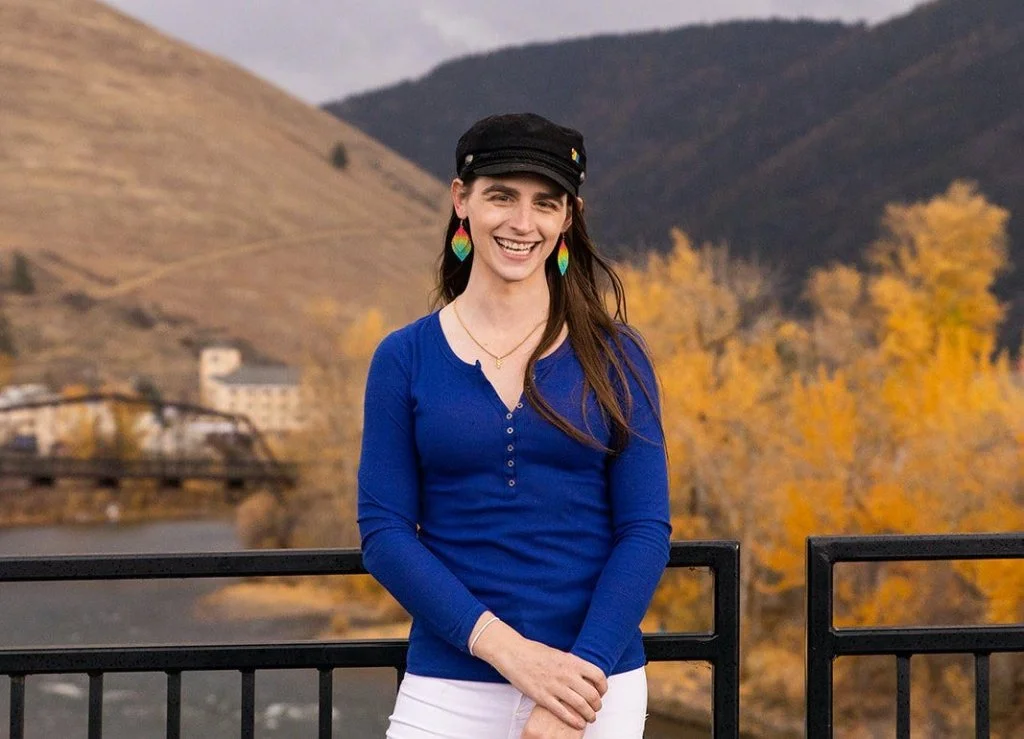
Montana state Rep. Zooey Zephyr ©victoryfound.org
Historic milestone: Montana's first openly transgender state legislator.
Zephyr won another term representing the Missoula area. After becoming a national figure in 2023 when Republican lawmakers barred her from the Montana House floor, she continues to be a prominent voice defending transgender rights.
DeShanna Neal — Delaware House of Representatives
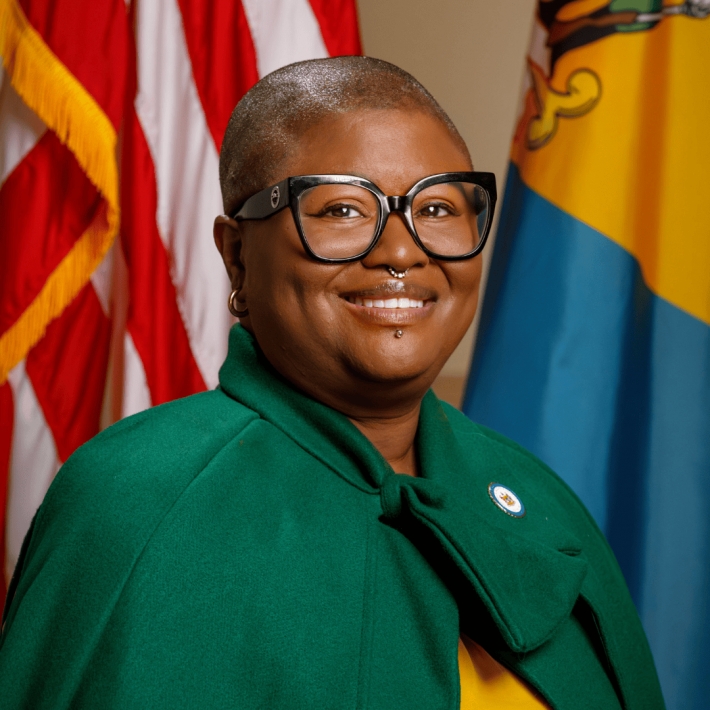
DeShanna Neal is Delaware’s first-ever nonbinary elected official. ©Delaware House Democrats
Historic milestone: Delaware's first-ever nonbinary elected official.
Neal won reelection in District 13. First elected in 2022, they made history as Delaware's first nonbinary elected official and continue to advocate for accessibility, housing rights and education.
Maura Healey — Governor of Massachusetts
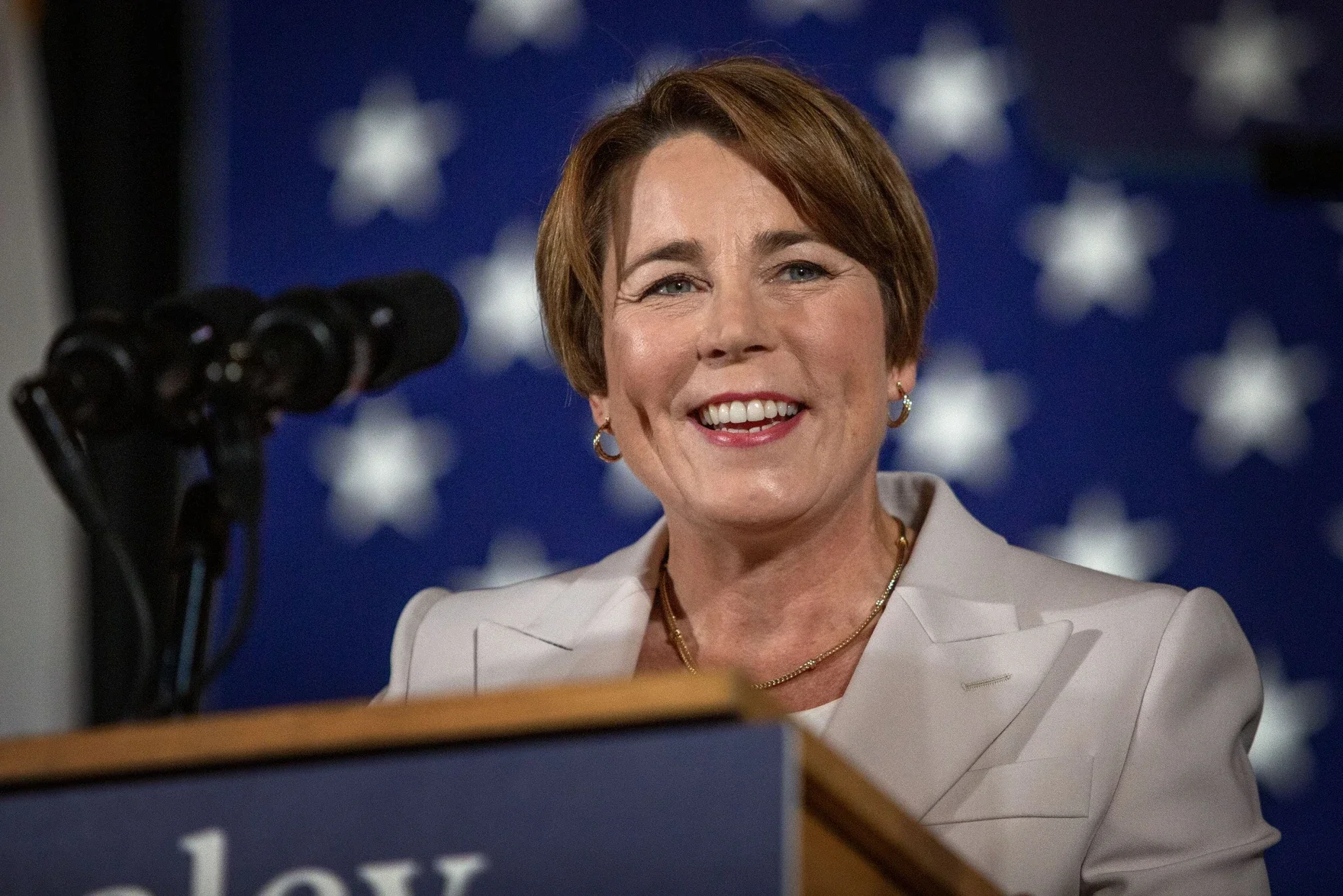
Massachusetts lesbian Gov. Maura Healey signs abortion and gender-affirming care shield law. ©(Robin Lubbock/WBUR)
Historic milestone: One of the first openly lesbian governors in the United States.
Healey won a second term as governor of Massachusetts. Her political career has included support for LGBTQ+ protections, reproductive freedom and legislation safeguarding access to gender-affirming healthcare.
Eric Sorensen — US House of Representatives, Illinois

Rep. Eric Sorensen, a former TV meteorologist and the first out LGBTQ+ person elected to Congress from Illinois, has won a third term representing the state’s 17th Congressional District. ©LGBTQ+ Victory Fund
Historic milestone: The first openly LGBTQ+ person elected to Congress from Illinois.
The former television meteorologist secured a third term representing Illinois' 17th Congressional District. Sorensen continues to bring LGBTQ+ visibility to federal politics.
Claire Snyder-Hall — Delaware House of Representatives
Historic milestone: An openly lesbian lawmaker and longtime democracy advocate.
Snyder-Hall won another term representing Delaware's coastal communities, including the area around Rehoboth Beach. Her work combines LGBTQ+ representation with advocacy for democratic participation and civil rights.
Emily Randall — US House of Representatives, Washington
Historic first: The first LGBTQ+ Latina in Congress.
Randall won reelection to represent Washington's 6th Congressional District. Her presence is particularly important for LGBTQ+ Latinas and communities whose experiences have historically been underrepresented in national politics.
Tina Kotek — Governor of Oregon
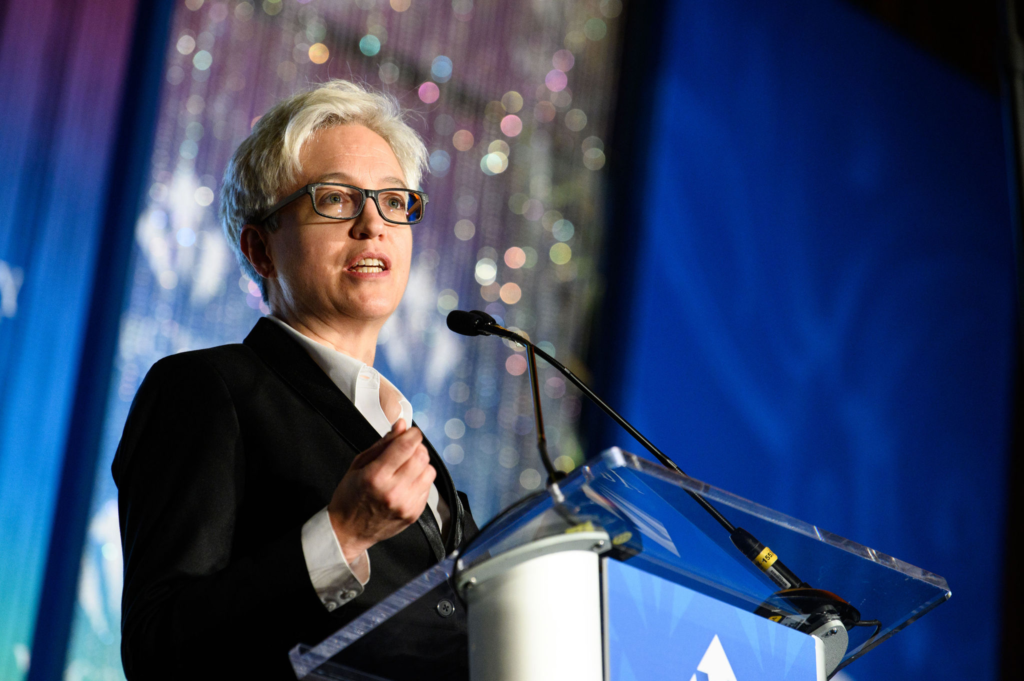
Tina Kotek, Oregon’s first lesbian governor, won reelection Tuesday. ©LGBTQ+ Victory Fund
Historic first: Oregon's first lesbian governor.
Kotek won reelection, continuing her leadership in Oregon. She has been a strong supporter of LGBTQ+ rights and reproductive freedom, making her another important figure in the national landscape of openly queer political leadership.
Robert Garcia — US House of Representatives, California
Historic milestone: An openly gay Latino political leader in Congress.
Garcia won reelection to represent California's 42nd Congressional District. A prominent Democratic voice in Washington, he is also positioned to lead the powerful House Oversight Committee, placing him at the center of congressional investigations and accountability.
Mark Takano — US House of Representatives, California
Historic milestone: The first openly gay person of color elected to Congress.
Takano won an eighth term representing California. As chair of the Congressional Equality Caucus, he has been a consistent advocate for LGBTQ+ equality, particularly transgender service members and their right to serve openly.
Ann Johnson — Texas House of Representatives
Historic milestone: An openly lesbian lawmaker in a state at the center of national LGBTQ+ rights debates.
Johnson won reelection to the Texas House. Representing a district that includes Houston's historic Montrose LGBTQ+ neighborhood, she has worked to defend LGBTQ+ protections amid an increasingly challenging political environment.
Becca Balint — US House of Representatives, Vermont
Historic milestone: The first woman and openly LGBTQ+ person to represent Vermont in Congress.
Balint won reelection for a third term. As a co-chair of the Congressional Equality Caucus, she has played an important role in advancing LGBTQ+ equality and defending the rights of queer communities at the federal level.
Leigh Finke — Minnesota House of Representatives
Historic milestone: Minnesota's first openly transgender state legislator.
Finke won a third term, continuing her work defending transgender rights and gender-affirming healthcare. She has been instrumental in supporting Minnesota's protections for transgender people and families seeking access to care.
More than a political victory: A message about visibility
The 2026 midterm elections have shown that LGBTQ+ representation is not limited to traditionally progressive states or a handful of major cities. From Georgia and Indiana to Texas, Arizona, Michigan and beyond, openly queer candidates are building political careers, winning competitive races and becoming part of the institutions that shape American society.
There is something particularly powerful about seeing transgender, nonbinary, lesbian, bisexual and gay people elected at a time when their communities are facing increasingly intense political scrutiny.
For many LGBTQ+ people, visibility is not simply about seeing someone who looks like them on television or in a newspaper. It is about knowing that their experiences, concerns and rights have a place in public conversations.
And for younger generations, these victories can help make something very clear: being LGBTQ+ does not have to be a limitation on ambition, leadership or the ability to make a difference.
The Rainbow Wave also reminds us that political representation is not the finish line. Winning an election is one thing; using that position to defend civil rights, expand protections and improve people's lives is another.
The work continues.
The Rainbow Wave 2026: Why the world should be paying attention
The United States remains one of the most influential political and cultural forces in the world. Its decisions on equality, human rights and democratic participation can influence international debates, inspire movements and shape the political climate far beyond its borders.
That makes the election of openly LGBTQ+ leaders particularly meaningful.
At a time when LGBTQ+ rights are increasingly politicized in different parts of the world, seeing queer people enter positions of power is a reminder that progress is not inevitable, but it is possible when people organize, participate and refuse to disappear from public life.
The 2026 midterms were not just about a change in political power. They were also about who gets to hold that power, whose voices are heard and whose stories become part of the country's future.
A Blue Wave changed the political conversation. A Rainbow Wave made sure LGBTQ+ people were part of it.
And that is worth celebrating.
Have a story to share?
We'd love to hear from you! Get in touch with our editorial team in complete confidence, or email us at hello@queerlandmedia.com.
We read every message, even if we can't reply to everyone personally.
