
Young audiences want to see more LGBTQ+ characters on television, but the latest numbers show that the industry is moving in the opposite direction and according to GLAAD's 21st annual Where We Are on TV report, LGBTQ+ representation across scripted television has dropped by 25%, despite growing audience interest and the success of several popular shows featuring queer stories.
For the period between June 1, 2025, and May 31, 2026, GLAAD counted just 369 LGBTQ+ characters across broadcast, cable, and streaming original series. That's 120 fewer characters than the previous year's total of 489.
And the message behind these numbers is hard to ignore: audiences want more representation, not less.
Gen Z is asking for more LGBTQ+ stories
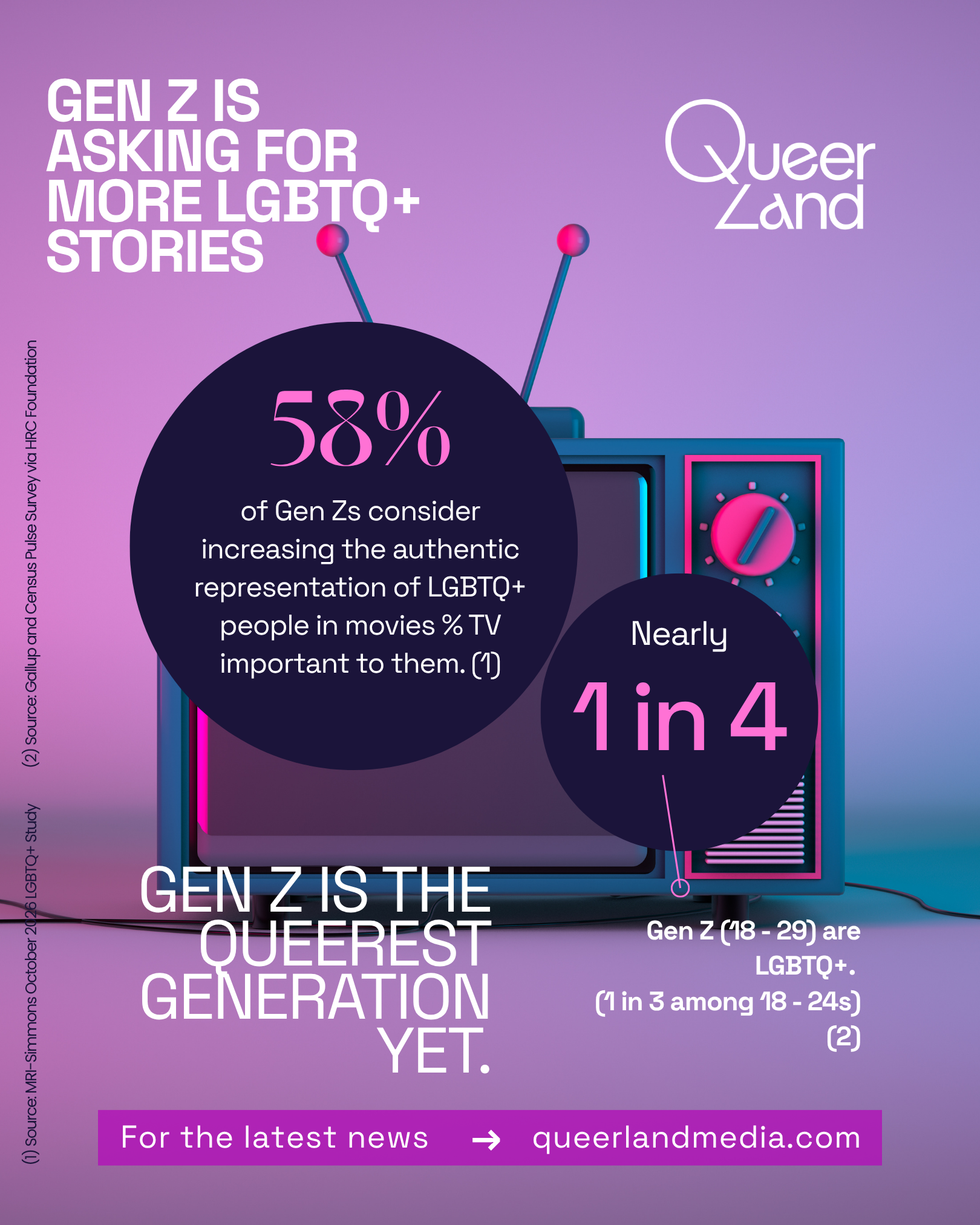
If television networks want to connect with younger audiences, LGBTQ+ representation should be part of the conversation.
GLAAD's research highlights a clear interest among Gen Z. More than half of this generation want to see LGBTQ+ representation on television. Nearly 90% are regular moviegoers, making them the most active generation in this area.
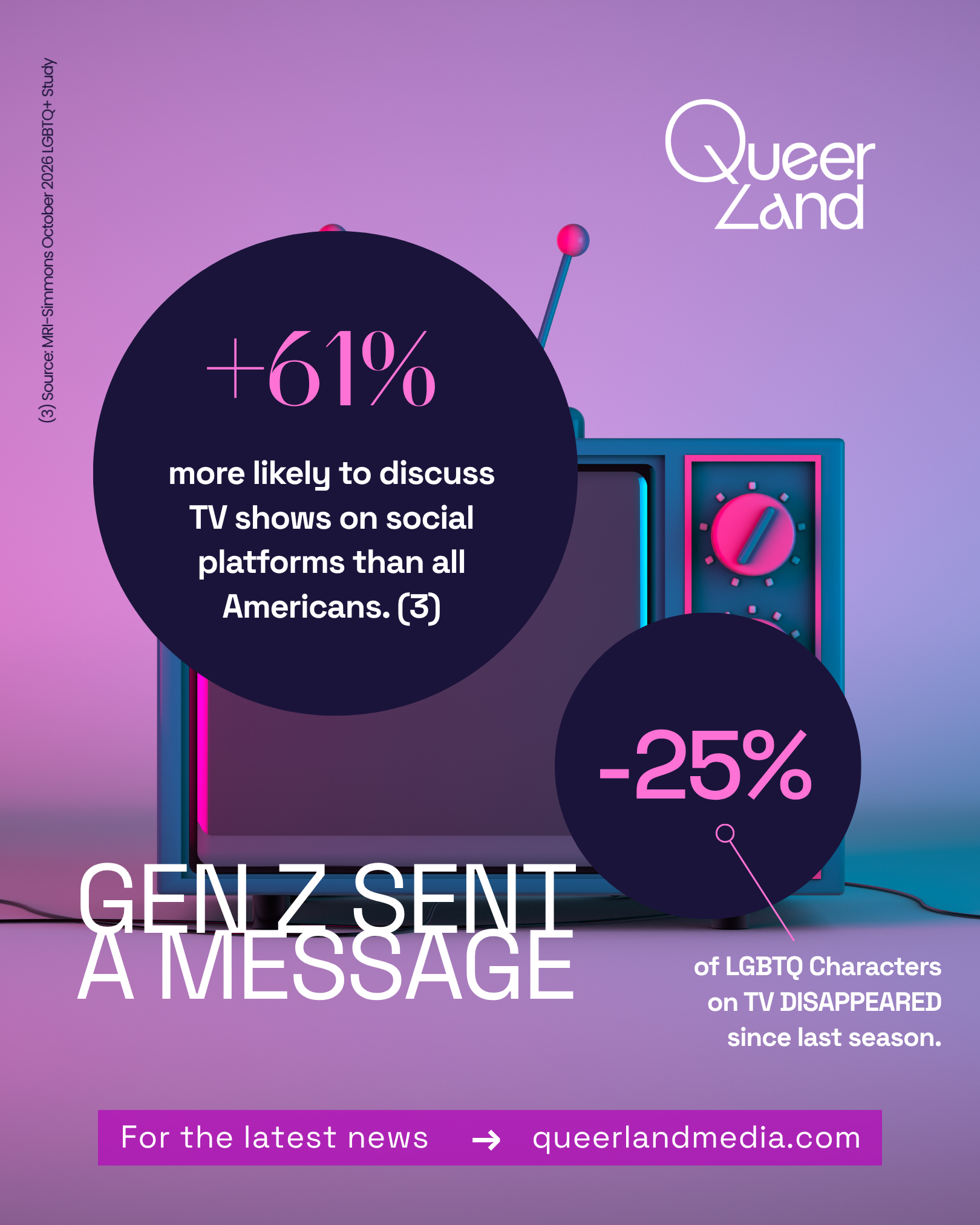
There is more. Gen Z is also 61% more likely to discuss TV shows on social media than other generations. And with nearly one in four identifying as LGBTQ+, this is an audience that studios simply cannot afford to overlook.
In other words, queer stories are not just about representation. They are also an opportunity to connect with audiences who are actively looking for stories that reflect the world around them.
Successful shows prove that audiences are watching
The idea that LGBTQ+ stories are too niche to attract viewers doesn't hold up against some of television's biggest successes.
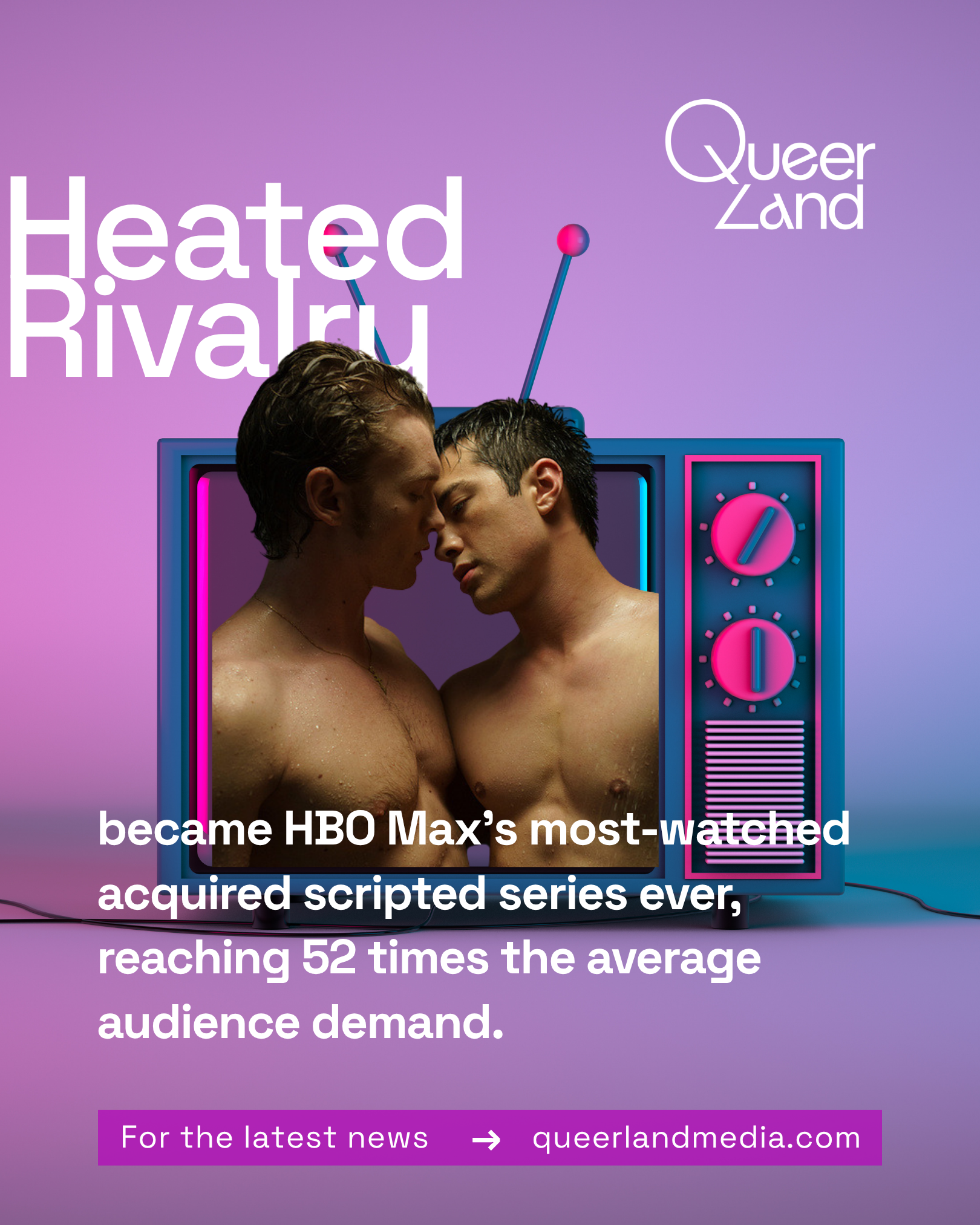
Heated Rivalry became HBO Max's most-watched acquired scripted series ever, reaching 52 times the average audience demand.
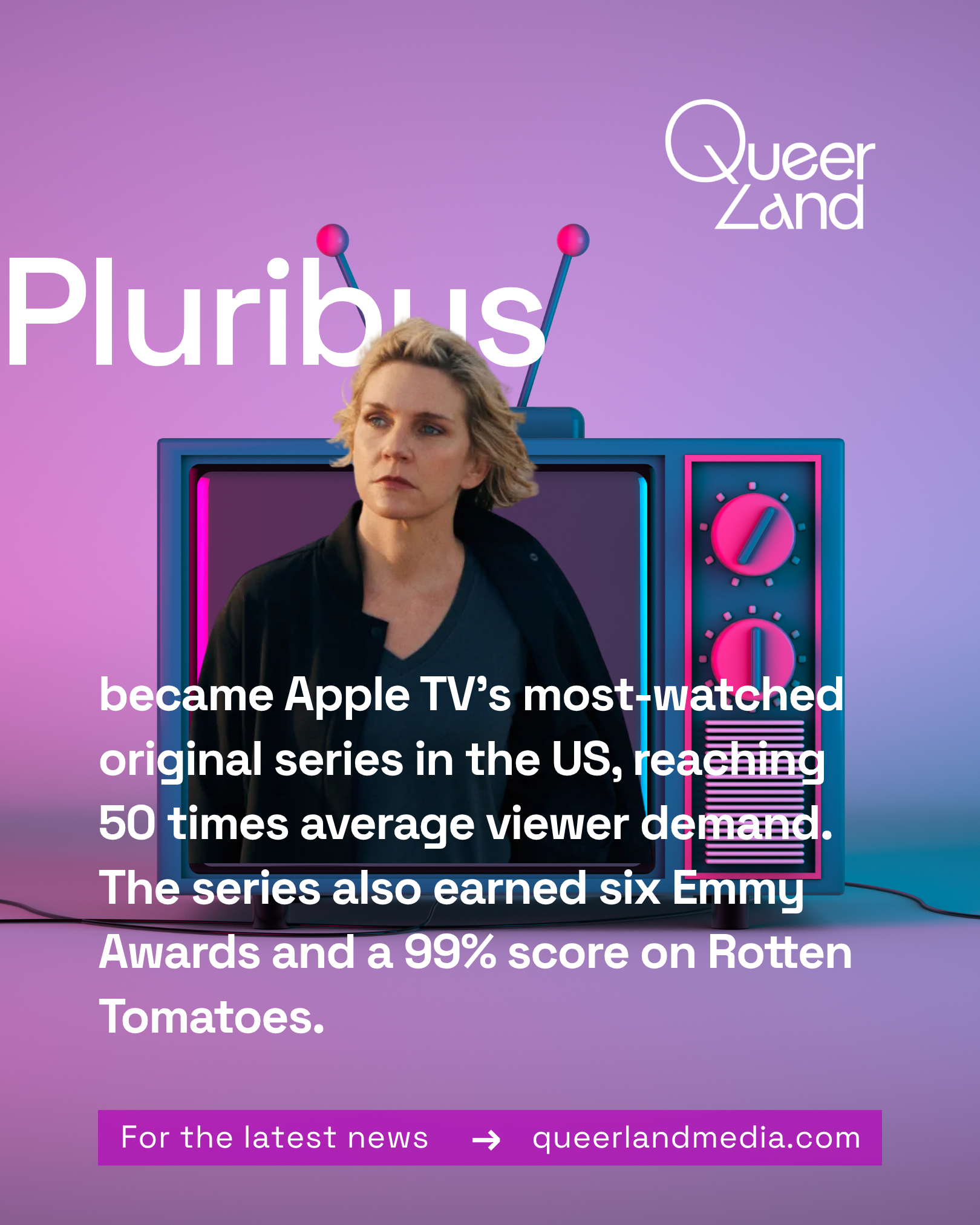
Pluribus became Apple TV's most-watched original series in the US, reaching 50 times average viewer demand. The series also earned six Emmy Awards and a 99% score on Rotten Tomatoes.
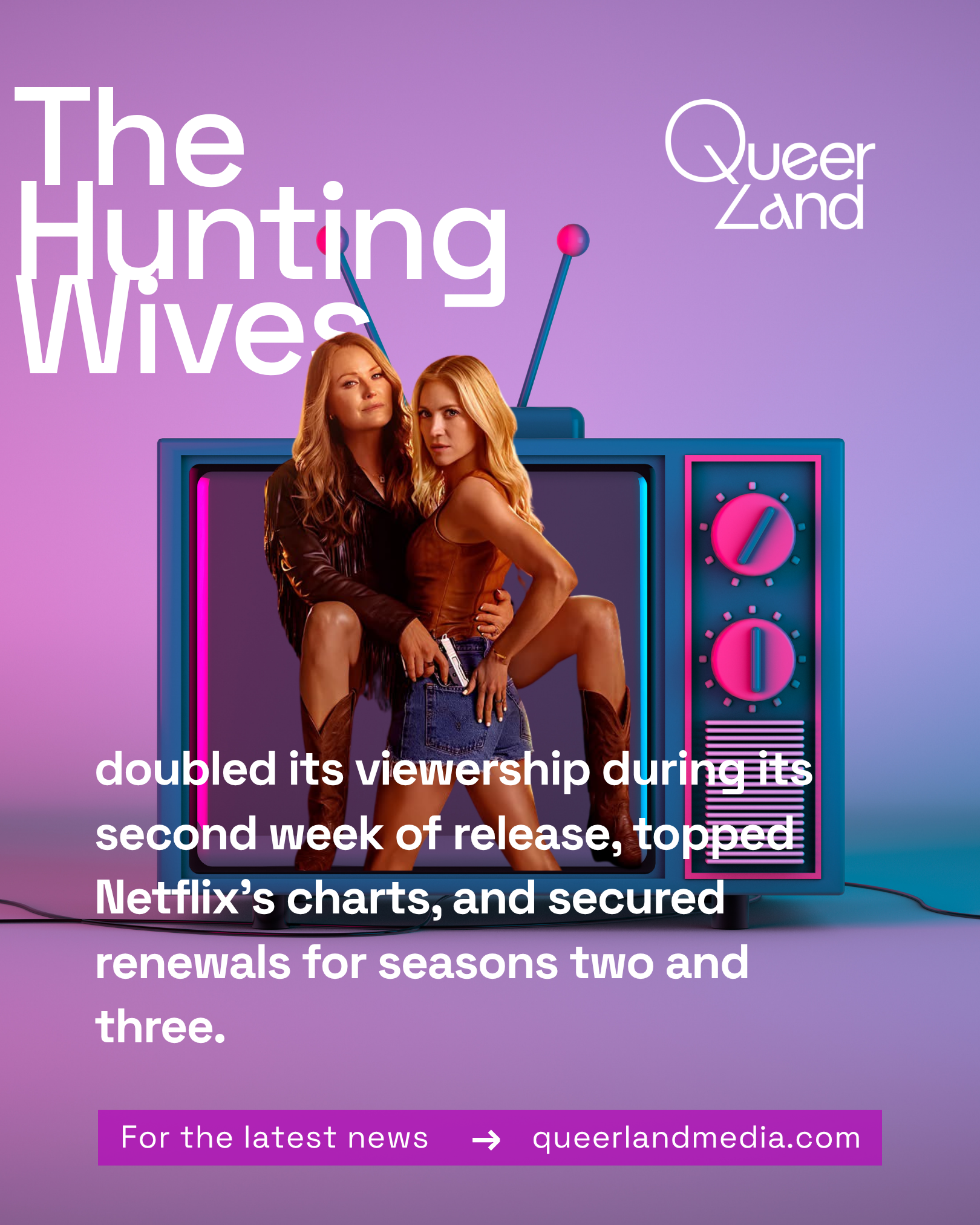
Meanwhile, The Hunting Wives doubled its viewership during its second week of release, topped Netflix's charts, and secured renewals for seasons two and three.
The report also identified Stranger Things and Hazbin Hotel as the two most in-demand series during the research period, reaching 174 times and 73 times average demand, respectively.
These numbers show that audiences are interested in stories with diverse characters, identities, and experiences. When the storytelling connects, people show up.
The numbers behind the decline are even more concerning
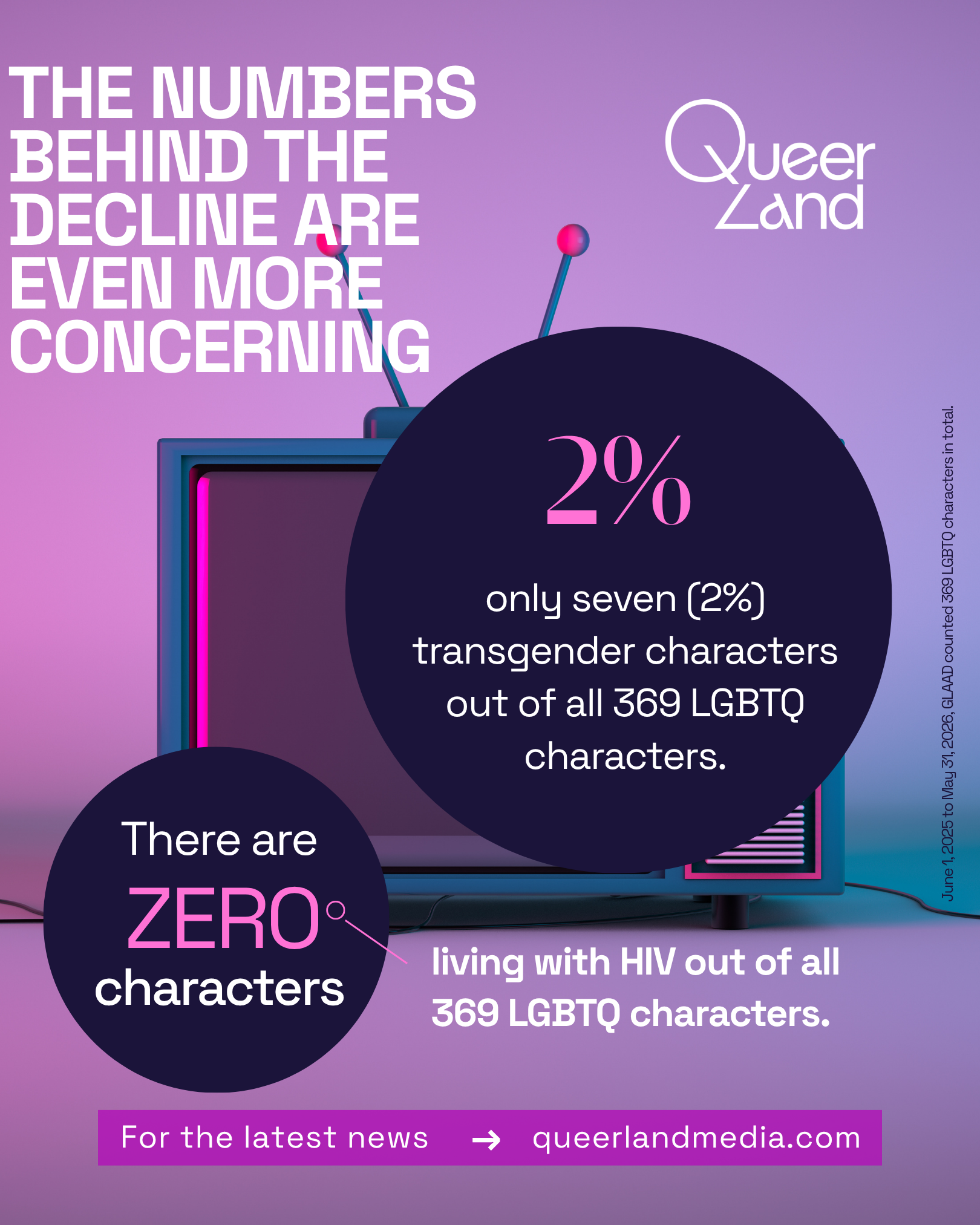
Beyond the overall 25% drop, GLAAD's report highlights several gaps that deserve attention.
Of the 369 LGBTQ+ characters counted, 161 (44%) are people of color. This is down from 51% the previous year and represents an eight-year low.
Transgender representation has also suffered a dramatic decline. Only seven transgender characters (2%) appeared across the shows included in the report: six women and one man. Last year, GLAAD counted 33 transgender characters. Even more concerning, none of the seven characters will return next season. There is another important absence: the report counted zero characters living with HIV.
And the situation may become even more limited. Of the 369 LGBTQ+ characters, 141 (38%) will not return, whether because their series were canceled or ended, they appeared in limited series, or their characters died or left the show.
Hollywood needs to pay attention
For GLAAD President and CEO Sarah Kate Ellis, the decline in LGBTQ+ representation is not just a cultural issue. It is also a business decision that could cost the industry its audience.
As Ellis explains, Hollywood is cutting LGBTQ+ stories and characters at a time when demand is growing. She points to the success of shows like Heated Rivalry, Pluribus, The Hunting Wives, and others as evidence that viewers are sending a clear message.
The takeaway is simple: people want stories that reflect different identities, relationships, and experiences.
Television has the power to make people feel seen, understood, and represented. But that only happens when the industry is willing to give these stories the space they deserve.
If younger generations are asking for more LGBTQ+ representation, and successful shows are already proving there is an audience for it, why is television giving them less?
Sources: GLAAD – 21st Annual Where We Are on TV Report. Gallup and Census Pulse Survey via HRC Foundation. MRI-Simmons October 2026 LGBTQ+ Study.
Have a story or LGBTQ+ news to share?
We would love to hear from you. You can contact our editorial team privately and confidentially, or simply email us at hello@queerlandmedia.com.
We read every message, although we may not be able to reply personally to everyone.
