
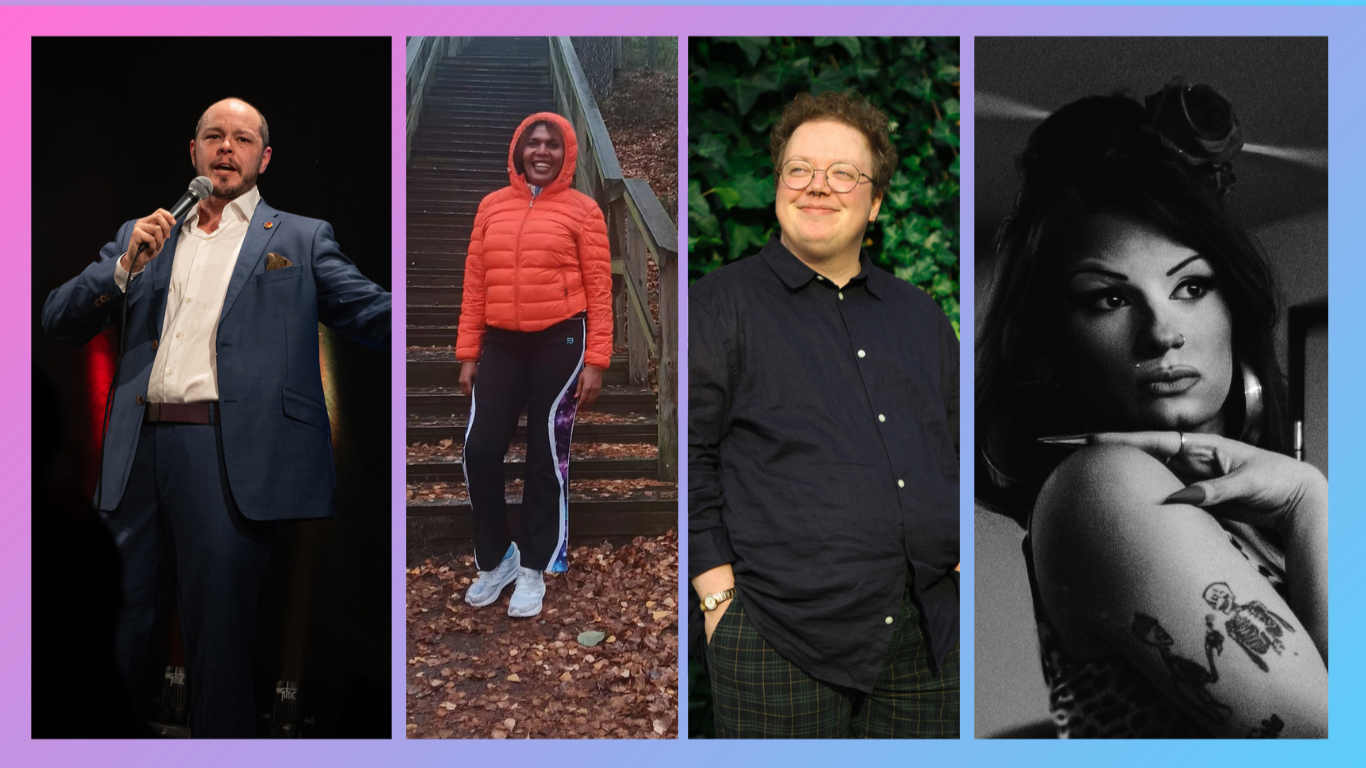
Photo 1 Jamie MacDonald by Tuomas Puikkonen, Photo 4 Roseta La Leon by Alisa Kuzmenko
Transgender Awareness Week is more than a moment to raise awareness. It is an opportunity to listen, learn, and recognise the people and stories behind the conversations about trans rights and visibility.
Every year, from November 13 to 19, transgender, non-binary people and allies around the world come together to celebrate trans identities, share personal experiences, challenge discrimination, and bring attention to the realities transgender people continue to face.
At a time when communities are facing increasing political hostility, discrimination, and threats to their safety and rights, making space for authentic trans & non-binary voices matters more than ever. Because visibility is not simply about being seen. It is about being heard, respected, and given the freedom to live authentically.
This Transgender Awareness Week, four trans and non-binary voices and four personal stories. Different experiences, different journeys, but connected by something powerful: the importance of being yourself and having the freedom to live without fear.
Four Trans & non-binary Voices. Four Stories Worth Hearing.
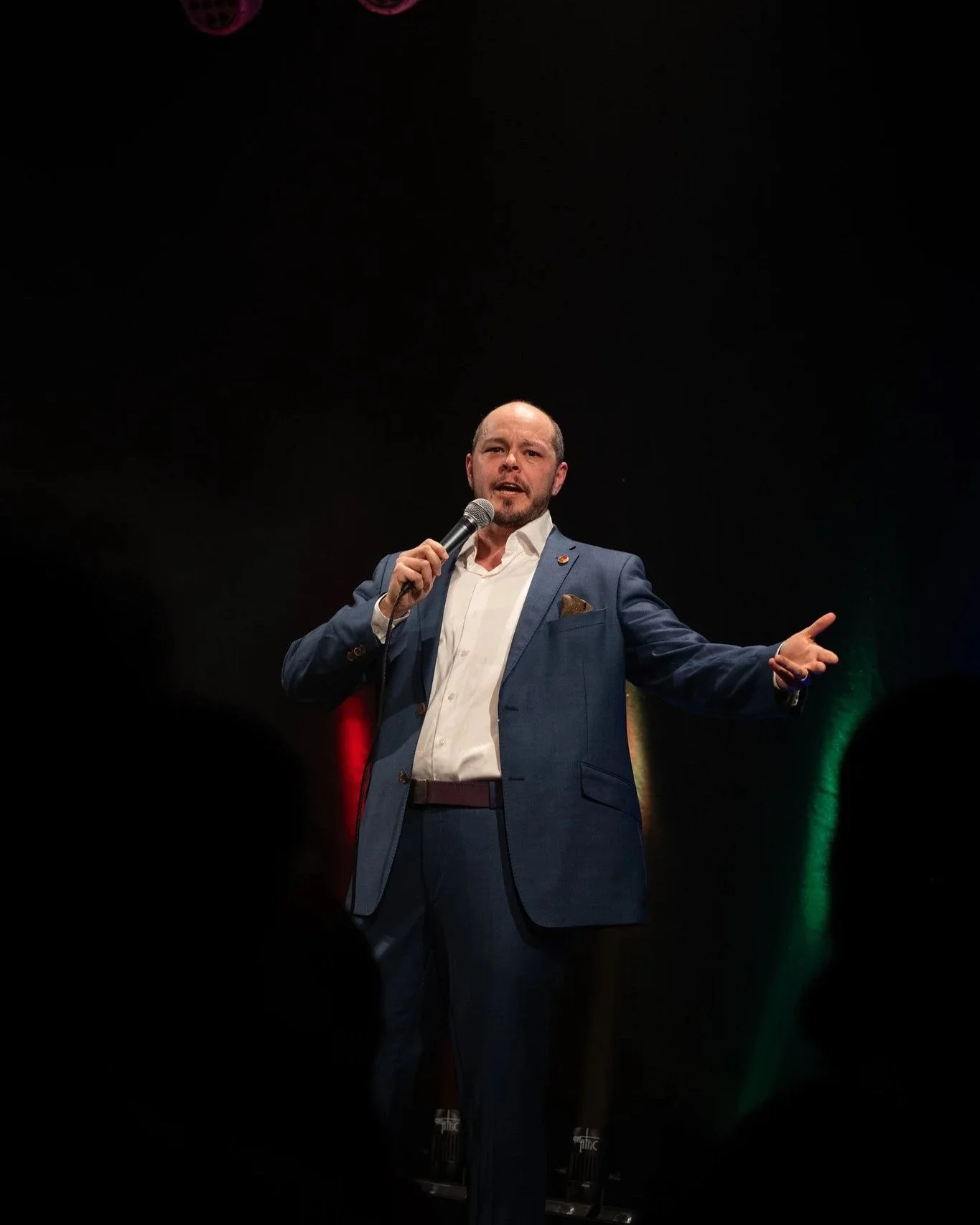
Jamie MacDonald - happeningfish
Photo by Tuomas PuikkonenThis year I lost a young family friend, Abi, whom I'd known since she was three. She was a beautiful, intelligent, deeply empathic trans girl just about to turn 18, and while she didn't die from direct violence in the way that we commemorate on TDOR, she and her family were failed terribly by institutions and adults as they fail to commit to and comprehend the needs of young trans people. She died from the fight.
I struggle with visibility and awareness, like the way we present trans lives in the media, even as I write this piece here - it has to be done, of course, and every story is another voice to help flesh us out, taking the lies and prejudices drummed up by conservative opportunists and stubbornly placing yet another human face back on the idea of "trans". We genuinely do need this kind of exposure, mostly because other people considering their identities need to see just how many possibilities there are, and how "transition" means so many different things to so many people. But the kind of awareness we have now, where everyone knows we exist and nobody understands what it's truly like without walking the walk themselves, has its own consequences.
In many ways, being a child in the 1980s, I was protected by a total lack of visibility and awareness: there were almost no trans people to look at in the media or anywhere else. There were no online forums, and certainly zero discussion anywhere of trans children. And while that prevented me from understanding a whole lot of feelings and the reasons why I struggled with specific parts of fitting in, it also meant that I didn't know that I was feared and loathed by fully grown adults and bot farms on the internet, and while I knew I was something of an outsider, I was never that outside. I wasn't a "political issue" at the age of ten. My egg didn't crack from seeing another trans man - it cracked when I watched a cisgender actress play a cross-gender character in a production of Shakespeare's As You Like It - which is probably how a lot of people have discovered they're trans for a few hundred years.
One of our issues is that trans people's needs are seen as secondary - this is why many grifters think it's politically effective to claim that trans women's rights come at the expense of cis women's rights. This is also true for trans children: it is widely seen as a bigger mistake to accidentally treat a cisgender child, than it is to fail to treat a transgender one. One person is "more valuable" than the other - perhaps because of their reproductive capacity, perhaps because they are less likely to question the status quo, perhaps because they're just more familiar, people give cisgender kids the priority. Abi's life had so, so much more value than they could ever imagine.
I just can't imagine being young today and under that kind of pressure. And of course, someone will simply say "well leave the children alone", as though you can have trans adults in public life and have children avoid hearing about them or seeing them. When children know about trans people, trans children will say who they are. So I'm happy to be visible, to be one of the human faces of transness, but I believe this visibility comes with a responsibility for adults to show up for trans kids. They are fighting.
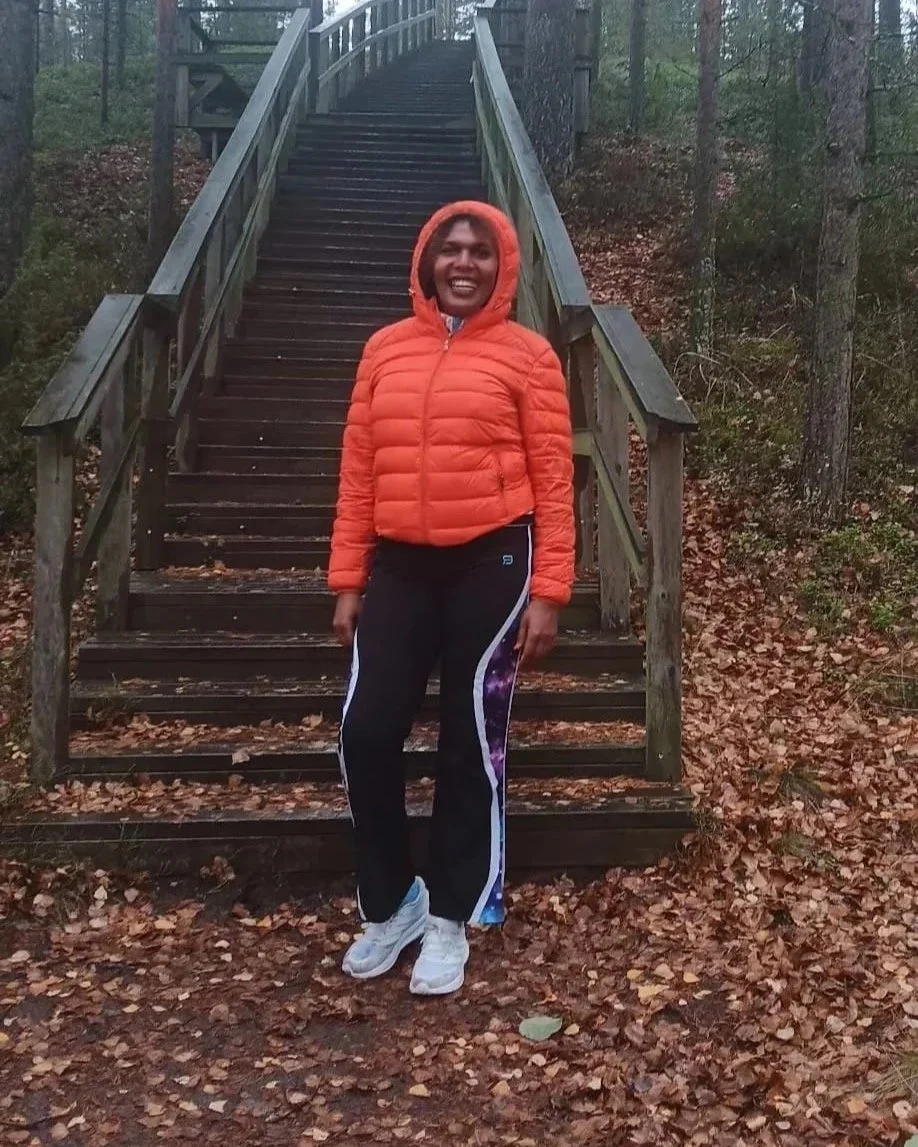
Queen Selena (She/Her)
My journey from childhood to today
I was born in Somalia, in East Africa, in the middle of a war. Some of my earliest memories are of soldiers, fear, hunger, and uncertainty. My mother was a brave woman who did everything she could to protect and care for our family. Yet my story is not only about war; it is also about a child trying to find herself in a world where she was not allowed to exist.
From a very young age, I felt different. Around age seven, I realised I felt more comfortable with girls. I wanted to play with them, wear girls' clothes, and express myself naturally. However, I grew up in a strict, conservative Muslim environment with rigid gender roles and little understanding of transgender children. My family rejected me. I was insulted, bullied, and physically abused—my sister even beat me, insisting I was a boy. Sometimes I ran away to the neighbours to wear girls' clothes and feel briefly free, only to be found and punished with more violence and humiliation. Outside my home, I was also beaten in the streets. My childhood was a constant struggle to survive while protecting my identity.
Eventually, my life changed when my mother moved to Finland, and I followed her. I am deeply grateful to live here, hoping for peace and safety. Still, moving did not erase my childhood trauma, and I continued to face prejudice and discrimination. At 18, I began claiming my place in the world as a woman. Navigating gender-affirming healthcare was long and difficult, as my cultural background and history were often misunderstood, leaving me feeling judged rather than supported. It was a painful journey, yet it led me toward self-acceptance. I was not searching for someone new to become, only the freedom to live as who I had always been.
Today, I am 33 years old and proud to be a dark-skinned trans woman. Despite surviving violence and hatred, I am still here. I love people, animals, nature, forests, and art. I refuse to let my past define me; I want my story to stand for hope, courage, and kindness. I no longer hide or apologise for existing.
To trans children and young people growing up where being trans is dangerous—in Somalia, across Africa, and around the world—know that you are not alone. I understand your fear of family and society. Though I no longer live in Somalia, my heart is with you, and I will use my voice for those forced to hide. Every child deserves safety, love, and the freedom to grow into who they are.
To people in Europe, America, and everywhere else: we must stand together. Trans women, trans men, and non-binary people deserve the same rights to live, love, and dream. Our rights are human rights.
I am not ashamed of my roots or my identity. As long as I have a voice, I will defend human dignity and equality so everyone can live freely and authentically. This is my truth. I am a trans woman, and I am proud. With love, courage, solidarity, and pride.
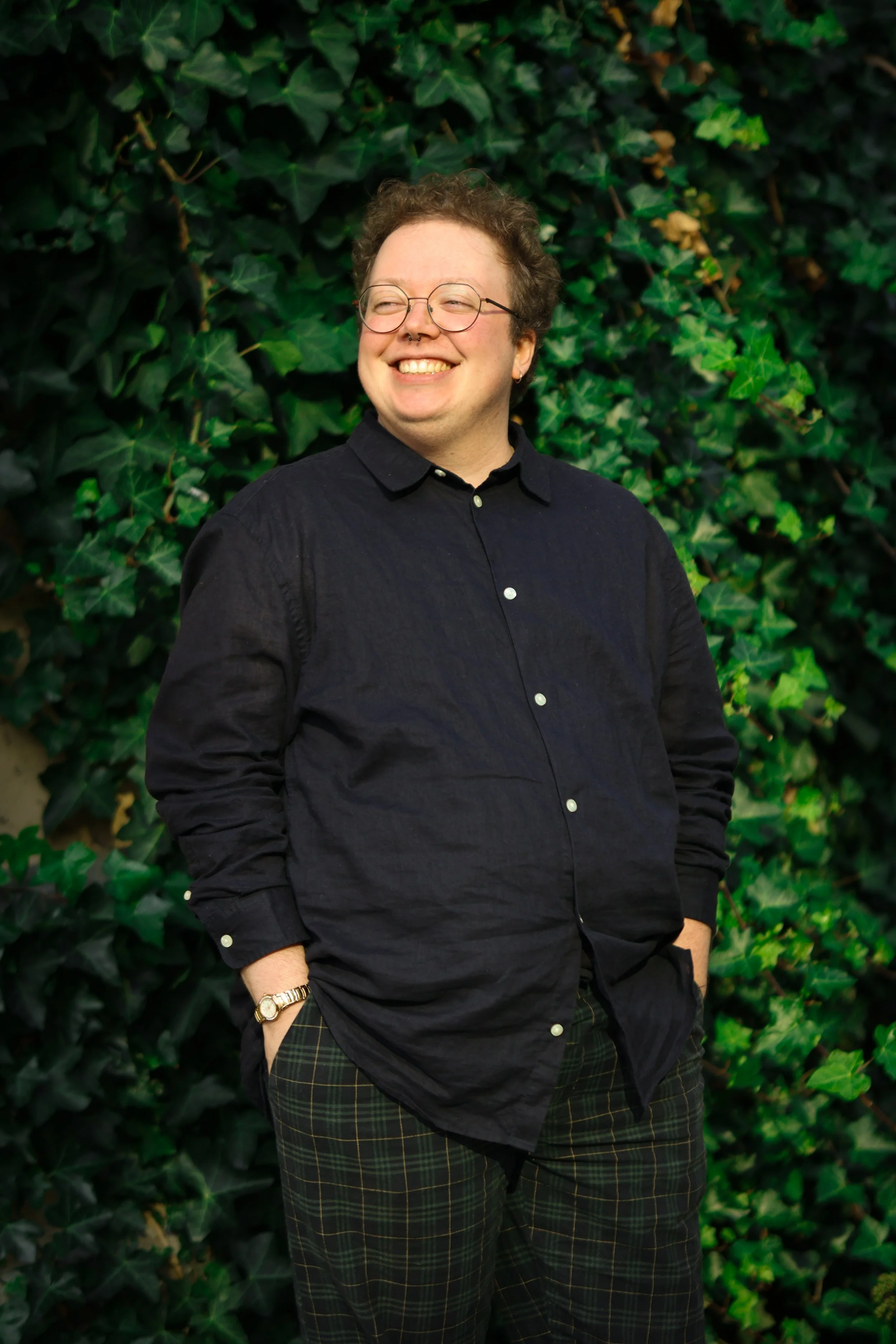
Robin Åmdal (He/They)
I am a non-binary trans man and a musician, and I do what I can for my own community. I arranged a small trans choir last year, and it meant so much for me to use my skills as a classical musician for joy and to help others use their own voices. For me, joy is resistance.
Taking up space and enjoying life with other queer people is in itself resistance against our oppressors. The things I care most about in my life are teaching classical music in a positive way(and not the toxic way I was taught), being there for other trans and/or queer people and lastly my partner and my dog.
I am finally comfortable in my body, but it took many years, and it was expensive. When I finally admitted to myself that I was trans after a couple of years in denial with intense dysphoria, information about transitioning was hard to find. I had to dig through forums online to find out what Transpoli (the public route for transitioning) in Helsinki wanted to hear and where to get prescriptions for hormones from alternative sources before I got my Finnish prescription fo testosterone. It took 4 years for me to get the diagnosis Transexualism, F64.0 from Transpoli that allowed me to get my prescription for testosterone from the Women's clinic in Helsinki.
By that time I had already been on hormones for 4 years through an expensive private clinic abroad and had crowdfunded for and had my top surgery at a private plastic surgery hospital in Helsinki. When I had a study year in my home country Norway last year, the Norwegian public health system told me to go through the exact same process one more time for a diagnosis I already had. The monopoly of transgender care in the Nordic countries needs to end.
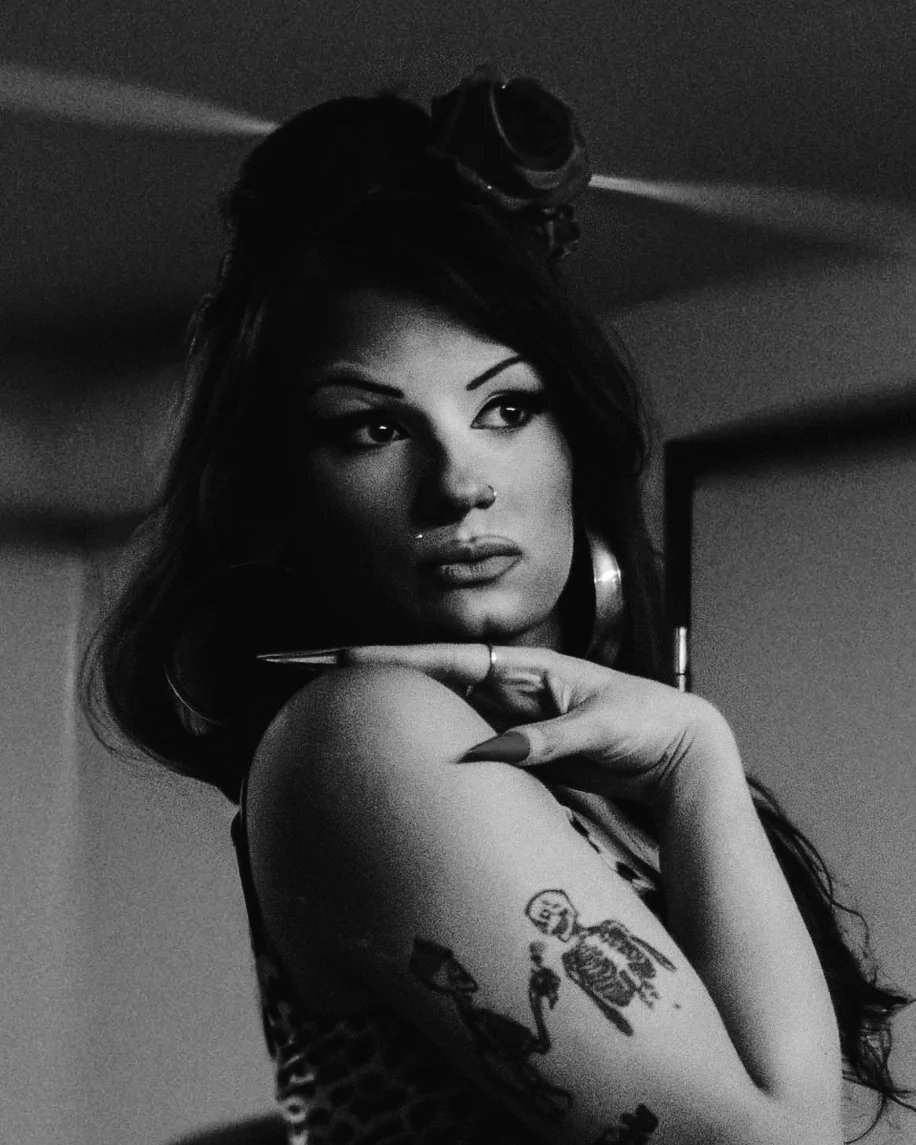
Roséta La León (She/Her)
Photo by Alisa KuzmenkoTransgender Awareness Week is about more than visibility. It's about making room for people who have spent so much of their lives being misunderstood, questioned, or made to feel like they don't belong. It's about recognising our existence, our struggles, our happiness, and our right to live freely without having to justify who we are.
To me, being vocal about transgender issues is important because silence has never protected us. It's easy to celebrate diversity when it's convenient, but standing with our community also means speaking up when it's uncomfortable. It means challenging prejudice, questioning harmful narratives, and refusing to let others write the story of who we are.
For many of us, simply existing openly is an act of courage. We shouldn't have to be brave just to live our lives. We shouldn't have to fight so hard for something as simple as being allowed to exist. But until that day comes, we must keep making ourselves heard. Not because we owe the world an explanation, but because we owe it to everyone who came before us, to those who fought for a place in this world, and to those still searching for the courage to find their own. Visibility matters. Representation matters. Our voices matter. Because every story told makes it a little harder for someone else to pretend we don't exist. Every person who dares to be themselves makes the world a little less lonely for someone still finding their way.
We are here, we've always been here, and we're not going anywhere.
Trans Awareness Should Last 365 Days a Year
Transgender Awareness Week gives us an important opportunity to reflect, but supporting the trans community should never be limited to seven days in November.
Real allyship means showing up throughout the year. It means challenging transphobia when we encounter it, listening without judgment, respecting people's identities, amplifying trans voices, and standing together when someone's rights or dignity are under threat.
As an LGBTQ+ community, we must remember that our struggles are connected. There is no true equality if some of us are left behind, and no community is truly strong unless we protect and support one another.
Awareness starts with listening. Solidarity begins with action. And equality is something we must stand for every single day. Because being an ally is not a once-a-year commitment. It is a choice we make 365 days a year.
Many thanks to Jamie MacDonald, Queen Selena, Robin Åmdal and Roséta La León for the support and for providing all the information and photographs.
Have a story or LGBTQ+ news to share?
We would love to hear from you. You can contact our editorial team privately and confidentially, or simply email us at hello@queerlandmedia.com.
We read every message, although we may not be able to reply personally to everyone.
