
Flow Festival 2026: Where Queerness Isn’t a Side Story, It’s the Pulse
©Petri Anttila / Flow Festival
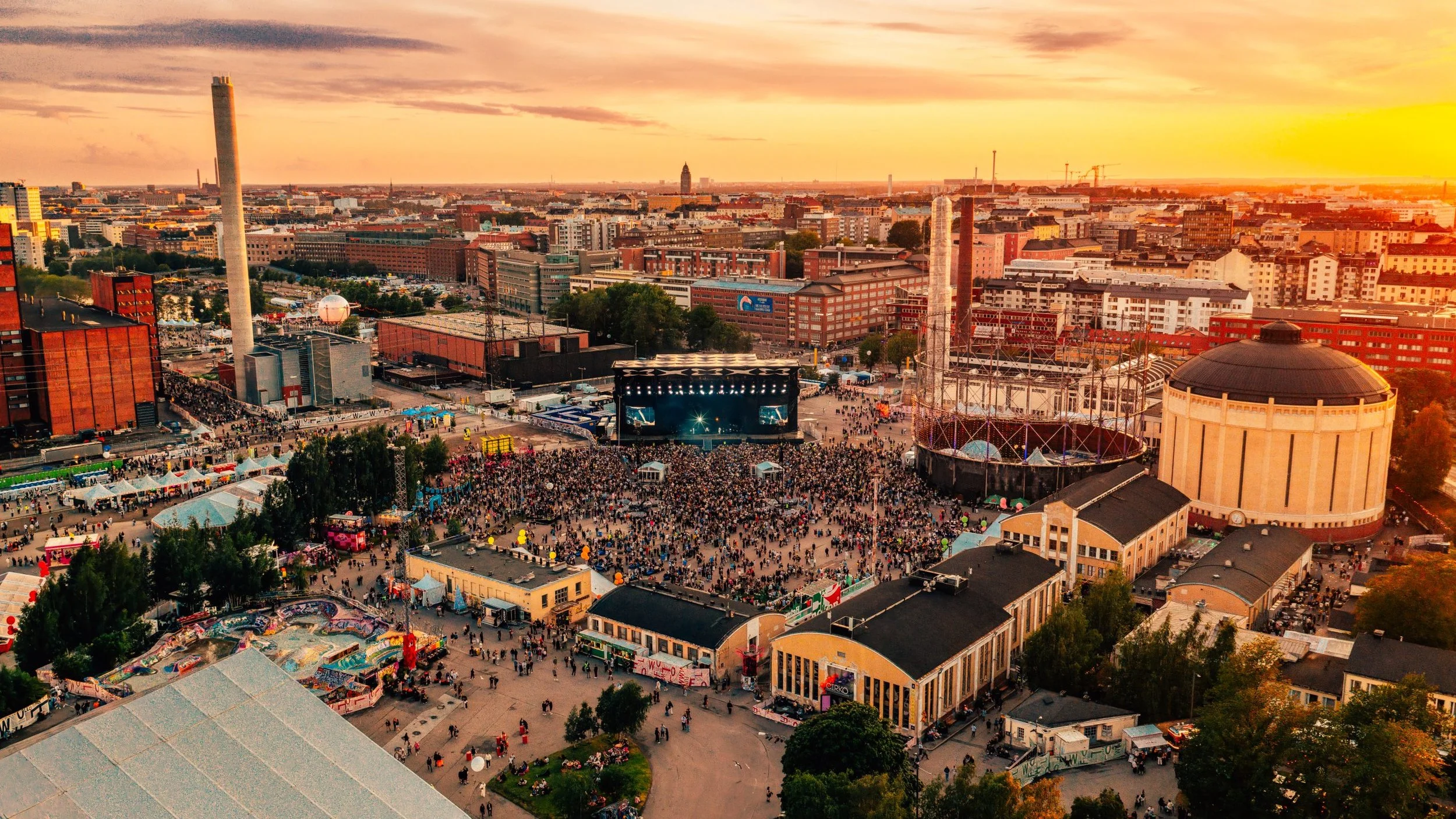
Finland's Flow Festival has announced the first artists for its 21st edition, once again taking over select venues in and around the iconic Suvilahti Power Plant in Helsinki. From August 14–16, 2026, the festival will present a characteristically eclectic lineup that brings together diverse scenes from around the world for a three-day celebration of contemporary pop culture.
The first artists unveiled today represent some of the most popular, groundbreaking and enduring voices in hip-hop, pop, rock, hardcore, techno, house and more, reiterating Flow’s reputation as a meeting place for scenes, styles, and cultures.

Balloon 360 – ©Petri Anttila & Koptercam / Flow Festival
There are festivals that book queer artists. Then there are festivals where queerness becomes part of the architecture — a shared language, a sound system, a beating heart.
This year’s first artist reveal reads like a spiritual mixtape of pop futurism, alt-punk adrenaline, house euphoria, and rock mythology. Florence + The Machine, Zara Larsson, Nick Cave & The Bad Seeds, Turnstile, SOMBR, PinkPantheress, Clipse, Honey Dijon, Oklou, Nu Genea Live Band, Kettama, Lambrini Girls, Olga, Vesta, J. Karjalainen, Arppa 8-pack, DJ Kridlokk: Hai, Pearly Drops, Ares, Jaakko Kulta, Louie Blue, Louna0nline, and Asla Jo — a list that feels less like a lineup and more like a declaration of creative independence.
Queerness on Stage Isn’t Decoration — It’s Revolution
Festivals are no longer judged only by their soundscapes but by the spaces they create. Who feels seen here? Who gets to exist loudly? Flow has become a beacon in Finland’s cultural landscape because it treats diversity not as branding, but as infrastructure.
This year’s edition spotlights queer icons and queer allies who aren’t merely tolerated — they are celebrated, amplified, and given the kind of spotlight that transforms careers and communities.
Among those leading the charge:
FLORENCE + THE MACHINE
©Florence
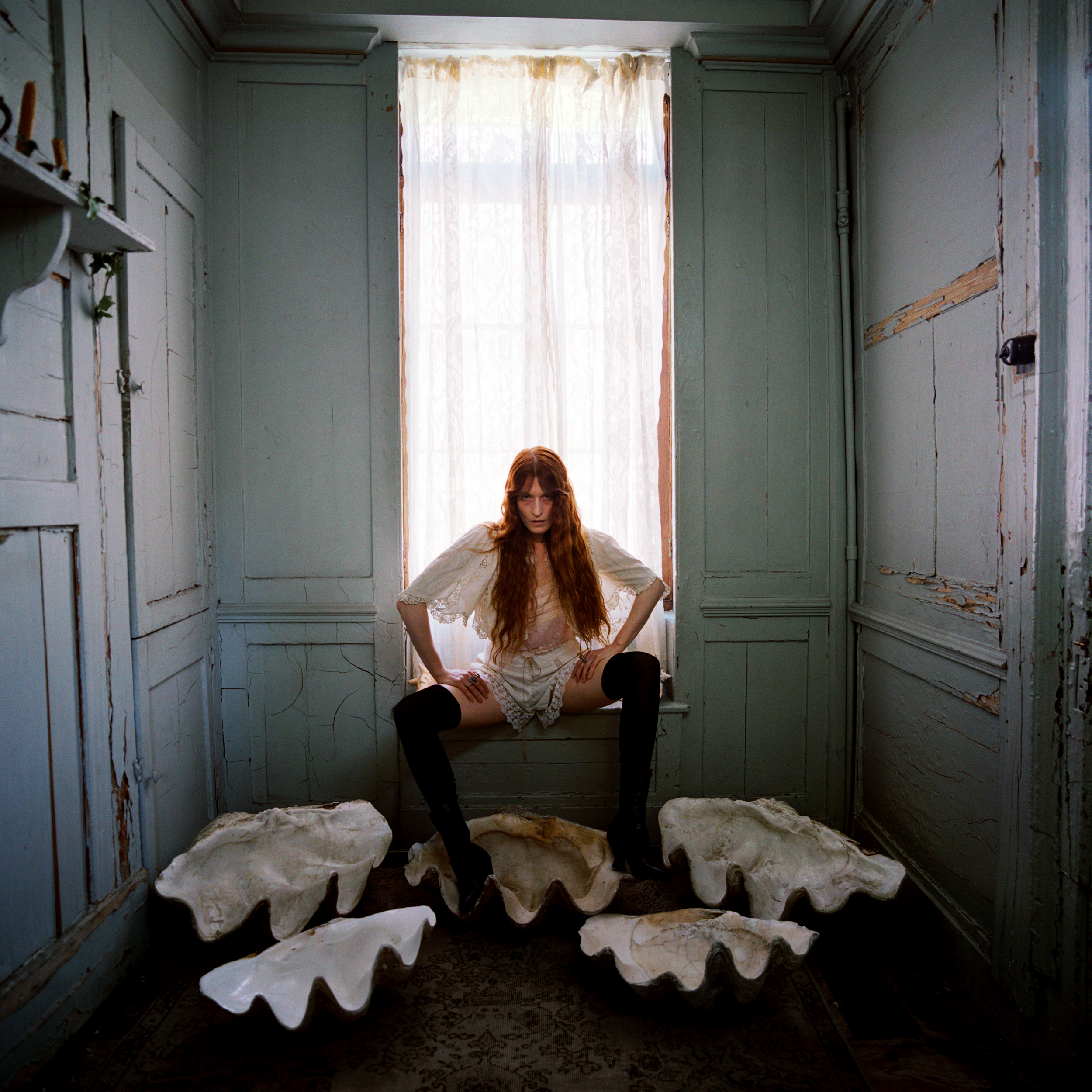
And then there’s the gravitational pull of Florence + The Machine, whose queer-coded theatricality has been communion for LGBTQ+ fans for over a decade. is one of the defining figures in alternative pop of the 2000s and 2010s — an artist whose voice, visual language and instinctive sense of drama have made Florence + The Machine a singular force of its era. Her songs inhabit a space where pop can be grand yet precise, and where personal mythology takes the shape of music that becomes instantly recognisable. Florence + the Machine is known for being a strong supporter of the LGBTQ+ community, with lead singer Florence Welch often showing support at shows by waving rainbow flags. The band has a large and loyal queer fanbase, and Welch has dedicated songs to the community during performances.
ZARA LARSSON
©Zara Larsson
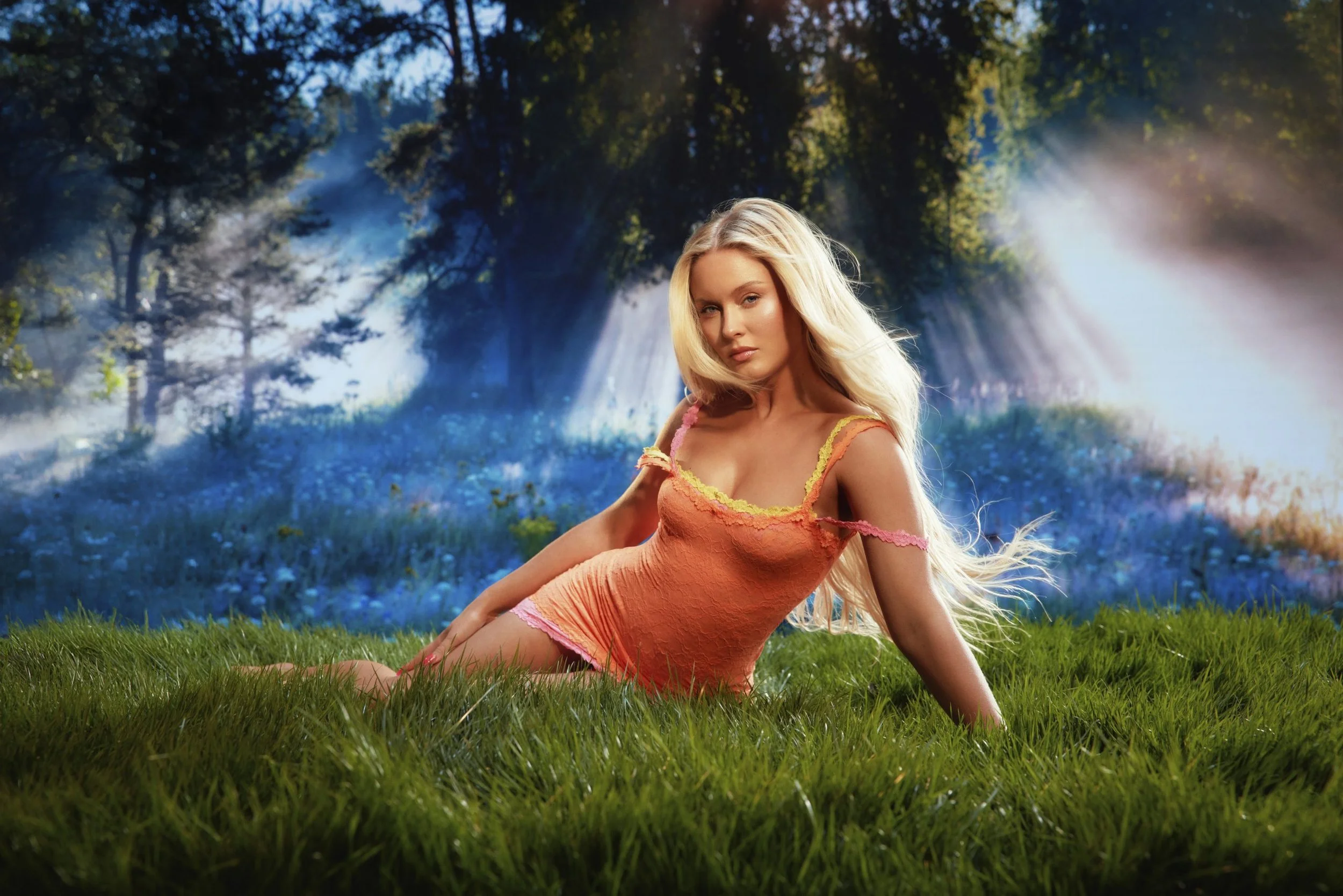
Zara Larsson, She belongs to the generation that emerged amid YouTube and talent shows, but didn’t stay tethered to them. Larsson became the pop artist who knows the rules and knows how to bend them. In 2024 interview with advocate magazine mentioned that Zara Larsson's new album is so queer, and she's not afraid to admit it. "Venus" is so stunning, it's so dreamy. That song, [written by] Violet Skies, was actually inspired from her first experience falling in love with a girl! It's all around us.
HONEY DIJON
©Honey Dijon
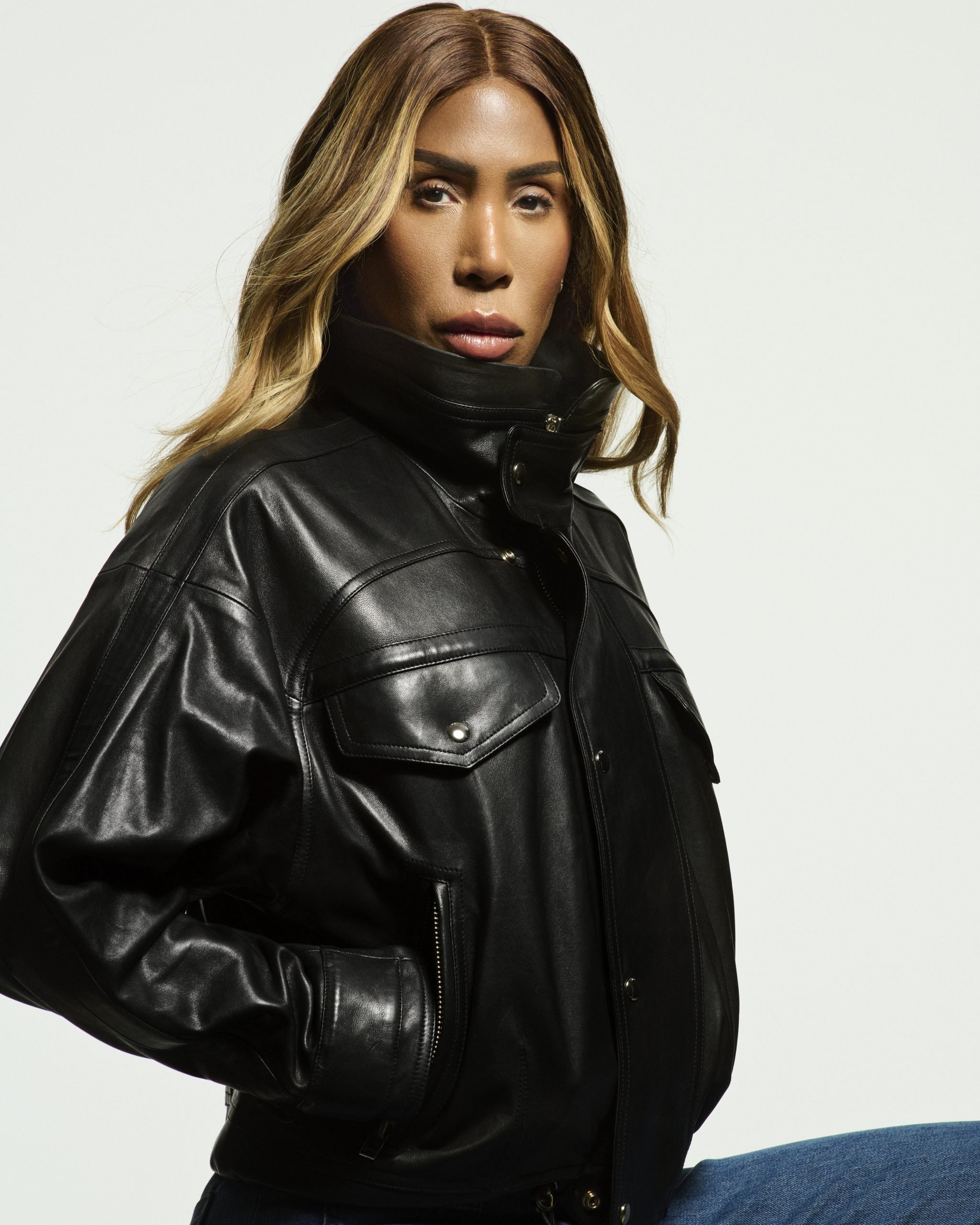
Honey Dijon — a Black trans house pioneer whose DJ sets feel like coded love letters to the underground. Her mantra, “Be the thing you wish to see in the world,” reads like a manifesto for survival and pride. Flow doesn’t invite Honey Dijon for inclusion points. She is the blueprint.
ASLA JO
©Promokuva-AslajoFantasia-feat-kah-Pao
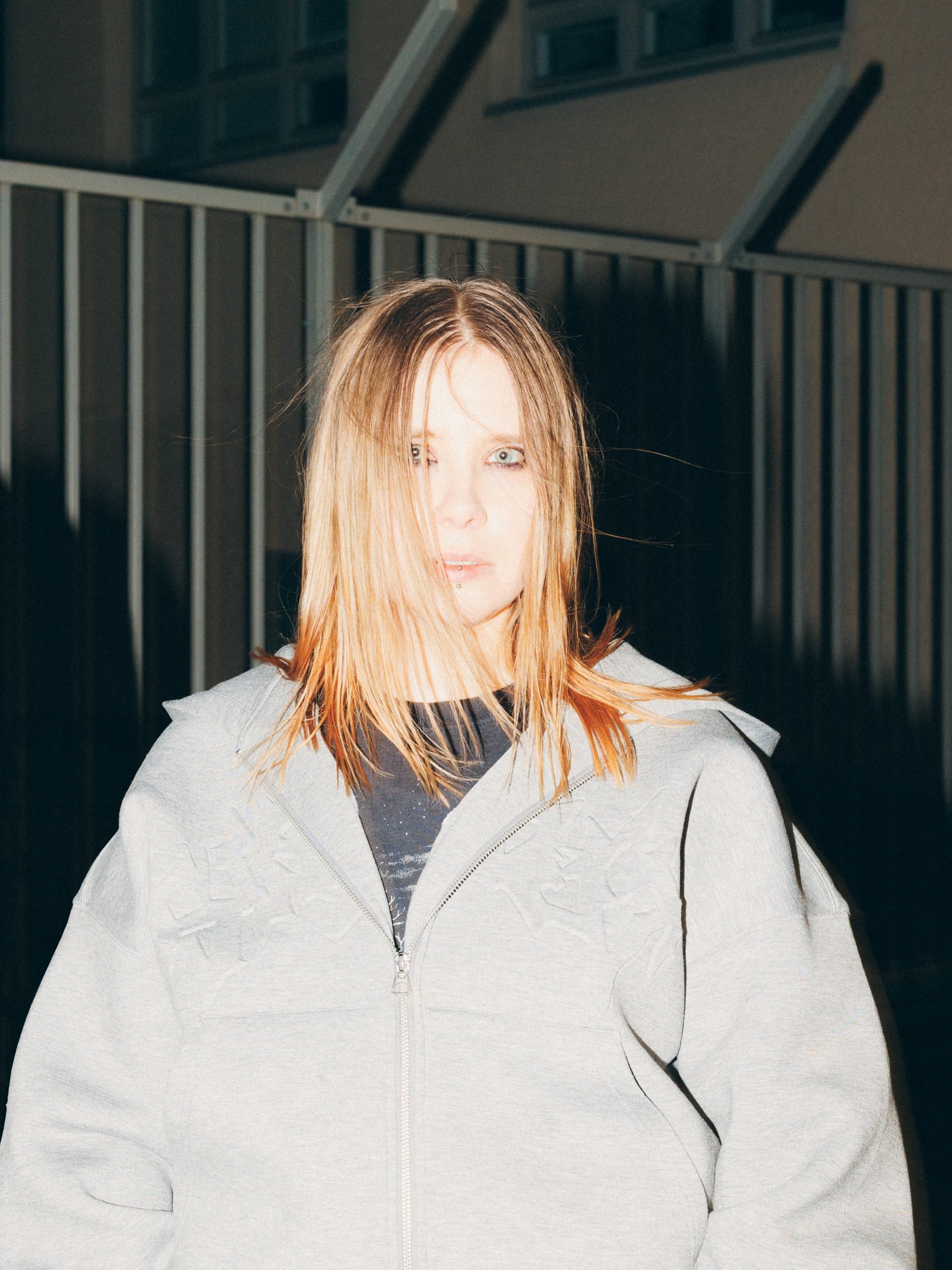
Asla Jo — Asla Jo is one of the most praised new artists in the field of Finnish indie, labelling their music ’kaihopop’, a term that could be translated as ’longing-pop’. The single released in May 2025, “Pussailen tyttöjen kaa”, became Asla Jo’s most-streamed song to date - “I got inspiration for the song from the homophobic comment fields on Facebook, the distortions related to gay marriage in the Lutheran church, my own fears of telling my parents that I am queer, and the single-family home neighborhoods where I grew up in Vaasa,” says Asla Jo.
TURNSTILE
©Turnstile
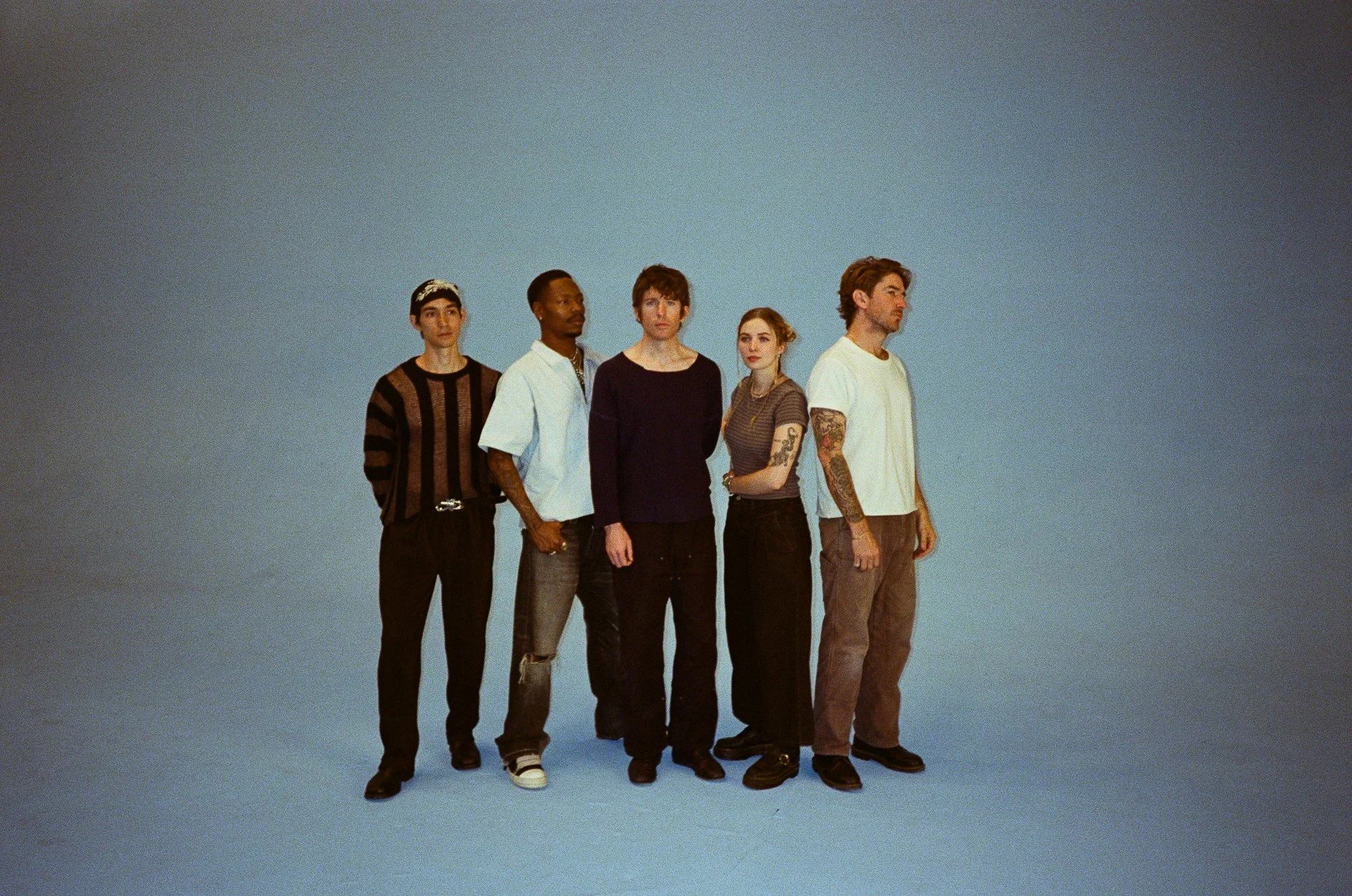
Turnstile — Turnstile emerged in a landscape where hardcore had long been defined by strict parameters: a certain tempo, a certain energy, a certain audience. The band didn’t set out to change that from the outside, but from within — bringing melodies, rhythms and a sense of openness that at first felt contradictory but ultimately became inevitable. TURNSTILE is widely considered an ally of the LGBTQ+ community. They have demonstrated their support through various actions, including performing at LGBTQ+ fundraisers and donating to LGBTQ+ charities
SOMBR
©Sombr
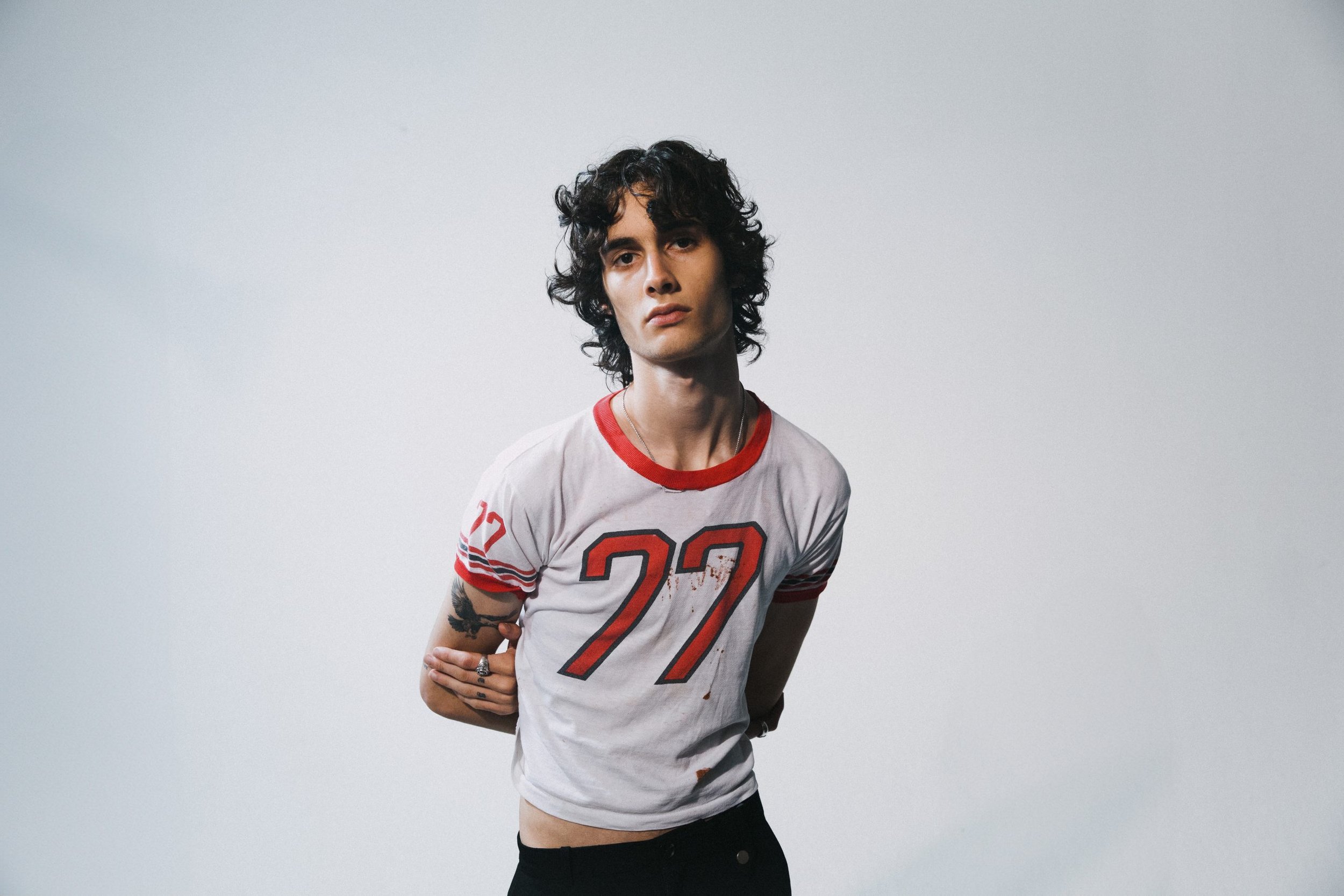
SOMBR — Hailing from New York’s Lower East Side, Sombr (Shane Boose) has swiftly risen into one of the most visible voices in the new wave of alt-pop – an artist who feels at once like a mirror of his generation and a subtle contradiction to it. Sombr stated that “every age, sex, sexuality, gender [and] race” is welcome to attend his performances before sarcastically running his hands over a patch of artificial turf, seemingly urging the user to “touch grass”—in other words, to take a break from the internet.
LAMBRINI GIRLS
©JohnGottfried
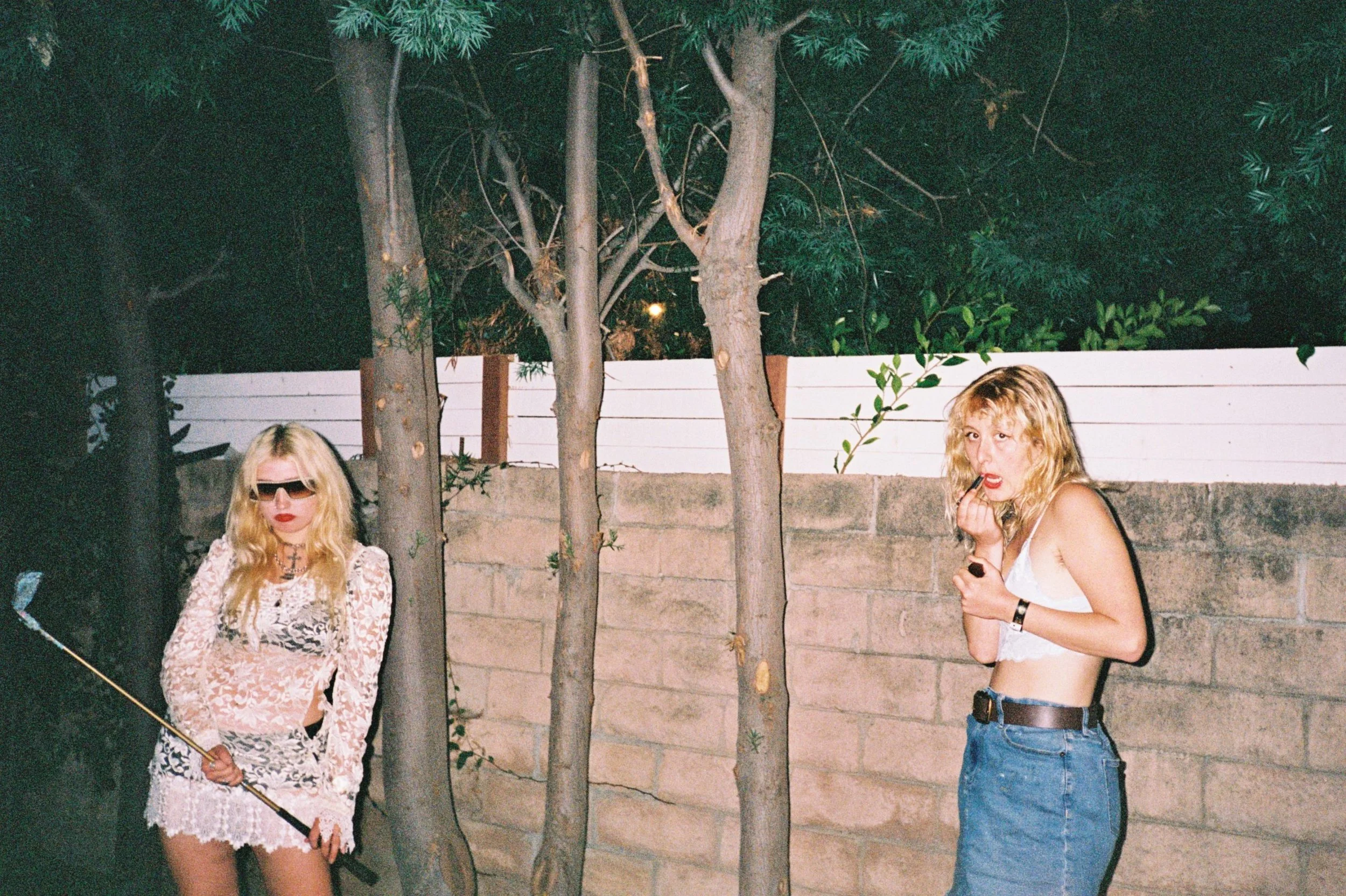
Lambrini Girls — Make music that lands squarely at the intersection of punk, noise rock, and queer club energy. The Brighton-based duo released their debut album Who Let the Dogs Out in January 2025. It’s a record that made an immediate impact and positioned them as one of punk’s most relevant new forces.punk, noise, queer rage, and club culture rolled into a sonic Molotov cocktail. Their debut album Who Let the Dogs Out didn’t just enter the room — it kicked the damn door off its hinges.
NICK CAVE & THE BAD SEEDS
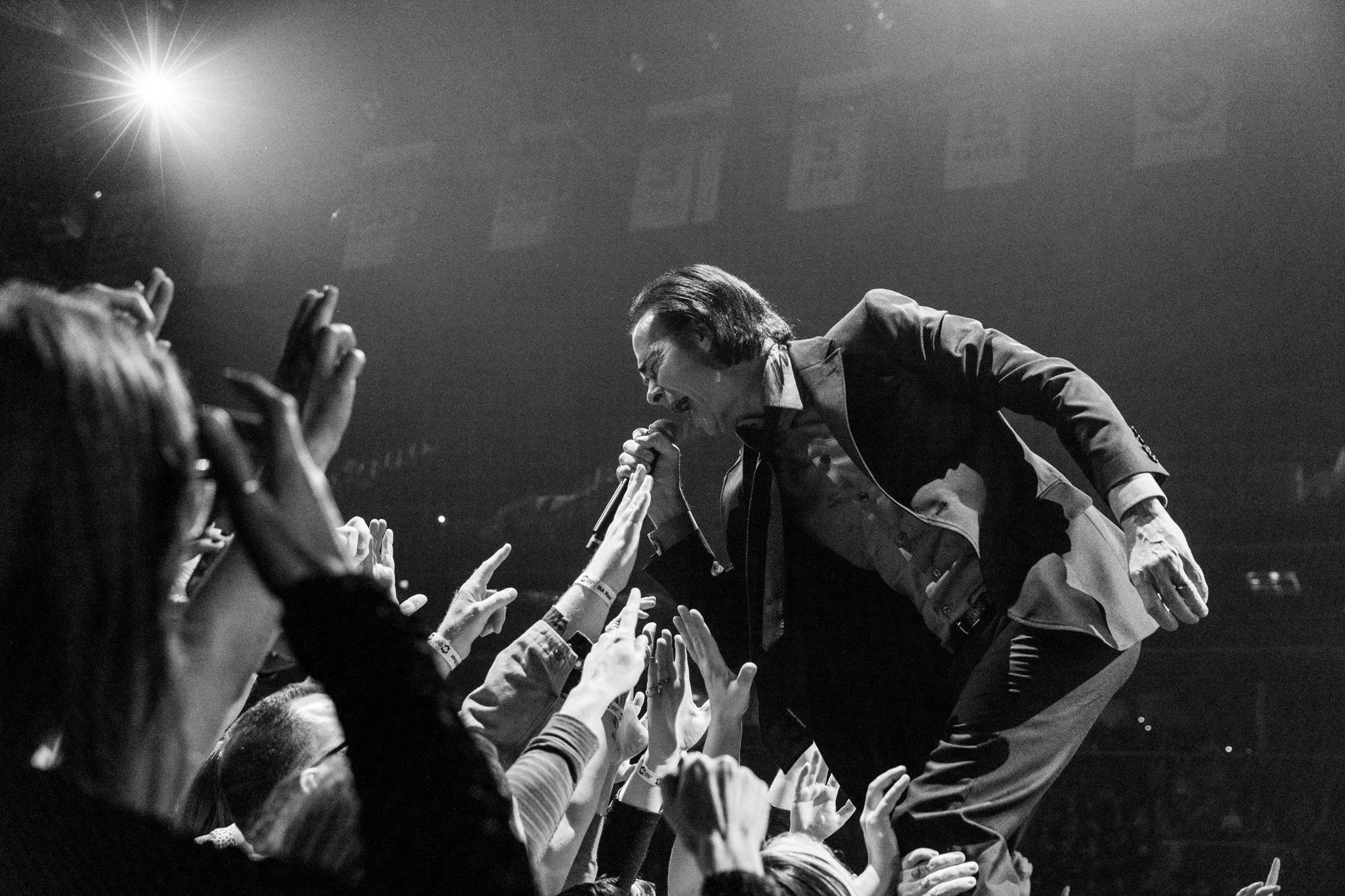
©Megan Cullen
Nick Cave, Nick Cave & the Bad Seeds are one of the longest-standing and most influential forces in modern rock – a band whose intensity, storytelling and unmistakable sound have shaped the landscape of alternative music for over four decades. Nick Cave shares openly support for transgender community: “I love my trans fans fully”
These aren’t token gestures. This is cultural authorship.
See the program for Flow Festival on the website: https://www.flowfestival.com/en/artists/.
Flow Isn’t Trying to Be Inclusive — It Already Is
Flow’s commitment to equity isn’t some glossy mission statement. It shows up in its partnerships, its gender-balanced programming, its membership in the We Speak Gay community, and the European Keychange initiative. Flow met Keychange’s equality goals before the deadline — not because it had to, but because anything else would feel artistically lazy.
Read more about Flow Festival Committed here.
Ticket Info: https://www.flowfestival.com/en/tickets/
For three days in August, queerness won’t be subtext. It will be the main stage.It will be basslines, sweat, softness, protest, and communion beneath industrial towers turned temples of light.
Flow Festival doesn’t ask the queer community to show up.
It’s saying: Welcome home.
