
“Come Celebrate & Cry With Me”: Z Walsh’s Emotional Goodbye to Feminine Man
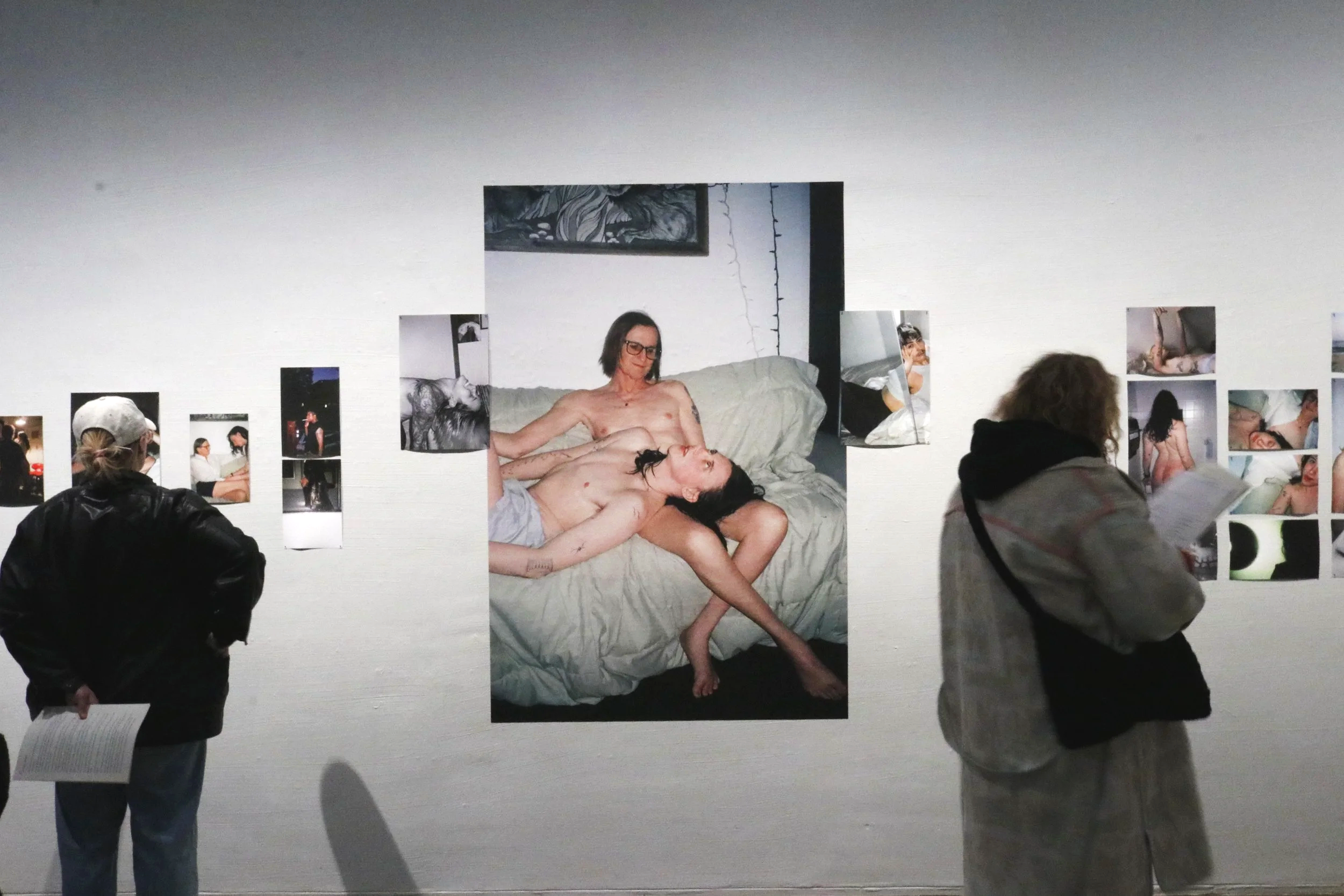
Visitors moved through multiple exhibition rooms filled with large-scale photographic works. Photo by Raul Medina for Queerland Media
HELSINKI, FINLAND — “I would love if you come celebrate & cry with me tomorrow the end of Feminine Man.” The invitation was simple, intimate, and deeply personal.
Yet behind those words stood the closing chapter of one of the most compelling LGBTQ+ photography exhibitions presented in Finland in recent years.
After nearly seven months on display at the Finnish Museum of Photography in Helsinki, Feminine Man—the debut solo exhibition by Brooklyn-based artist and photographer Z Walsh—came to an emotional end surrounded by the very people who helped give the work meaning.
Visitors arrived not only to witness the final day of the exhibition but to celebrate a project that has challenged conventional ideas of gender, masculinity, and self-expression.
And, as Walsh suggested, many came prepared to cry.
A Farewell That Felt Like Performance Art
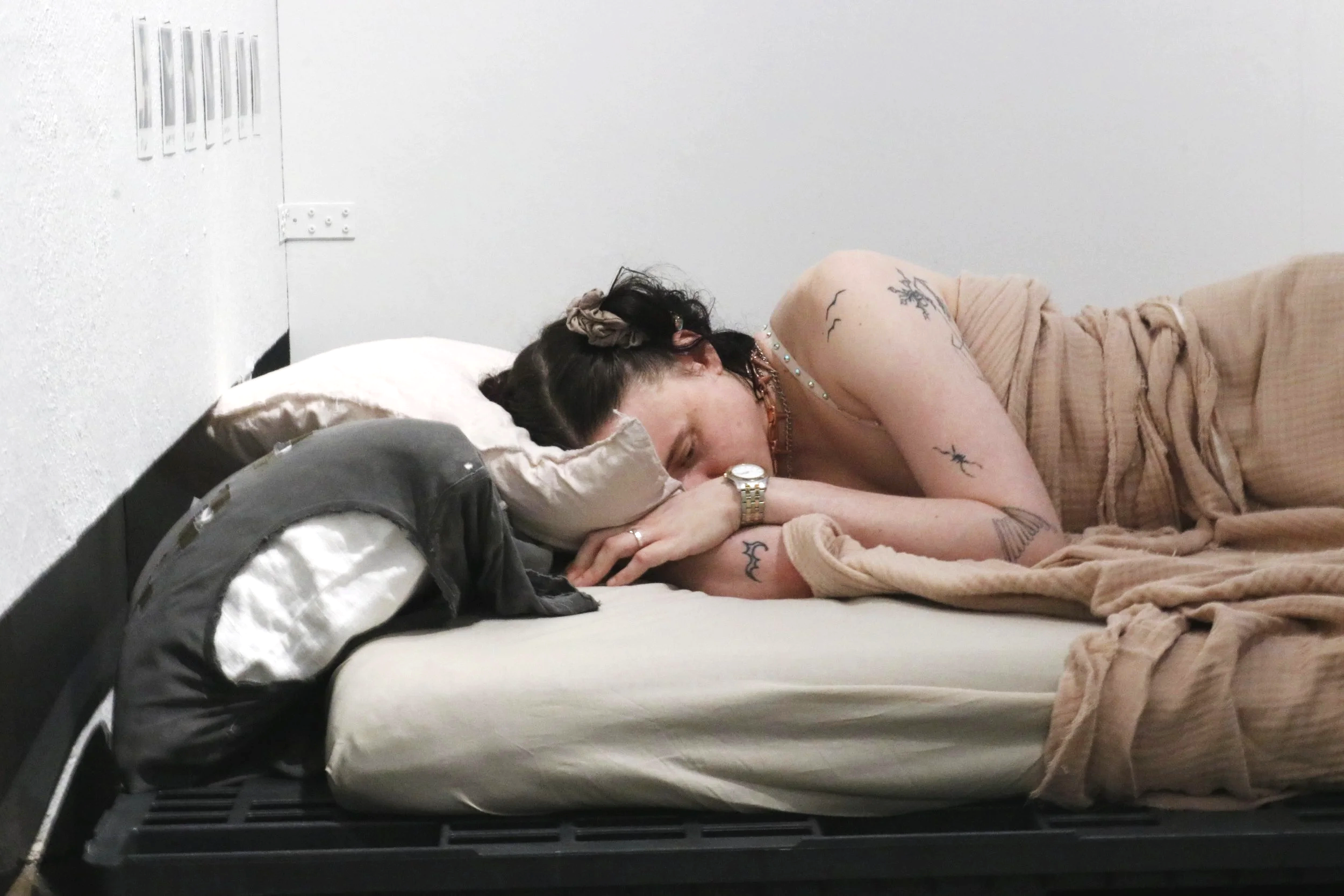
Throughout contemporary art history, the bed has often served as a powerful symbol of intimacy, vulnerability, memory, desire, and personal transformation. Z Walsh Lying on a bed as part of the exhibition. Photo by ©Raul Medina ©Queerland Media
From the moment guests entered the closing event, it became clear that this was more than the conclusion of a photography exhibition.
It was a living extension of the artwork itself.
The invitation encouraged attendees to bring their own “feminine man” under the playful slogan BYOFM — Bring Your Own Feminine Man. Friends, partners, artists, and supporters gathered to honor a body of work that has resonated far beyond gallery walls.
During the event, Walsh became an active presence within the exhibition space, interacting directly with the installation and occupying a bed that formed part of the artistic environment.
The gesture transformed the exhibition into something larger than photography.
It became performance.
Throughout contemporary art history, the bed has often served as a powerful symbol of intimacy, vulnerability, memory, desire, and personal transformation. By inhabiting this space, Walsh blurred the boundaries between artist and artwork, private life and public display, photography and performance.
The result was deeply moving.
The Artist Behind Feminine Man
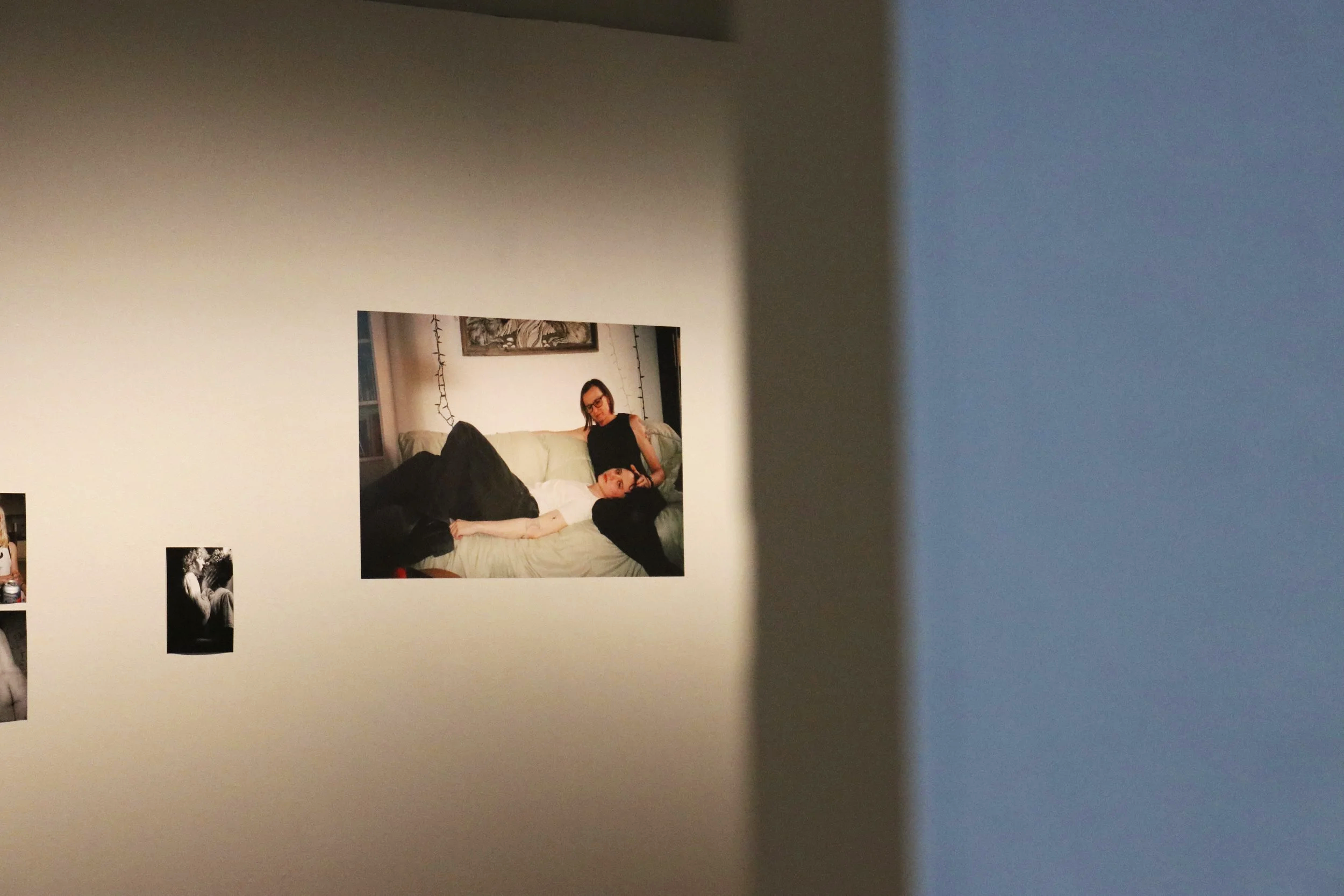
©RaulMedina ©QueerlandMedia
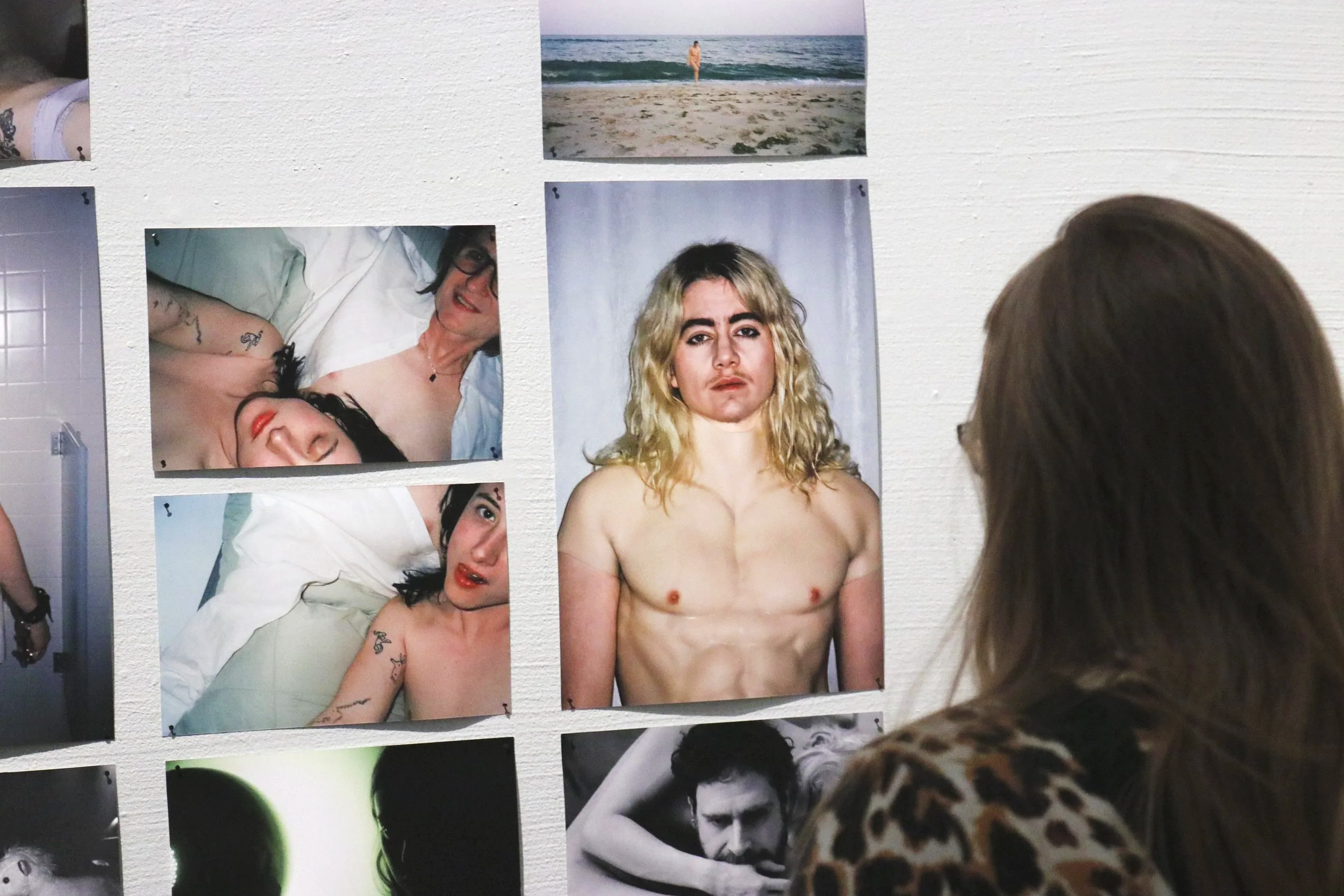
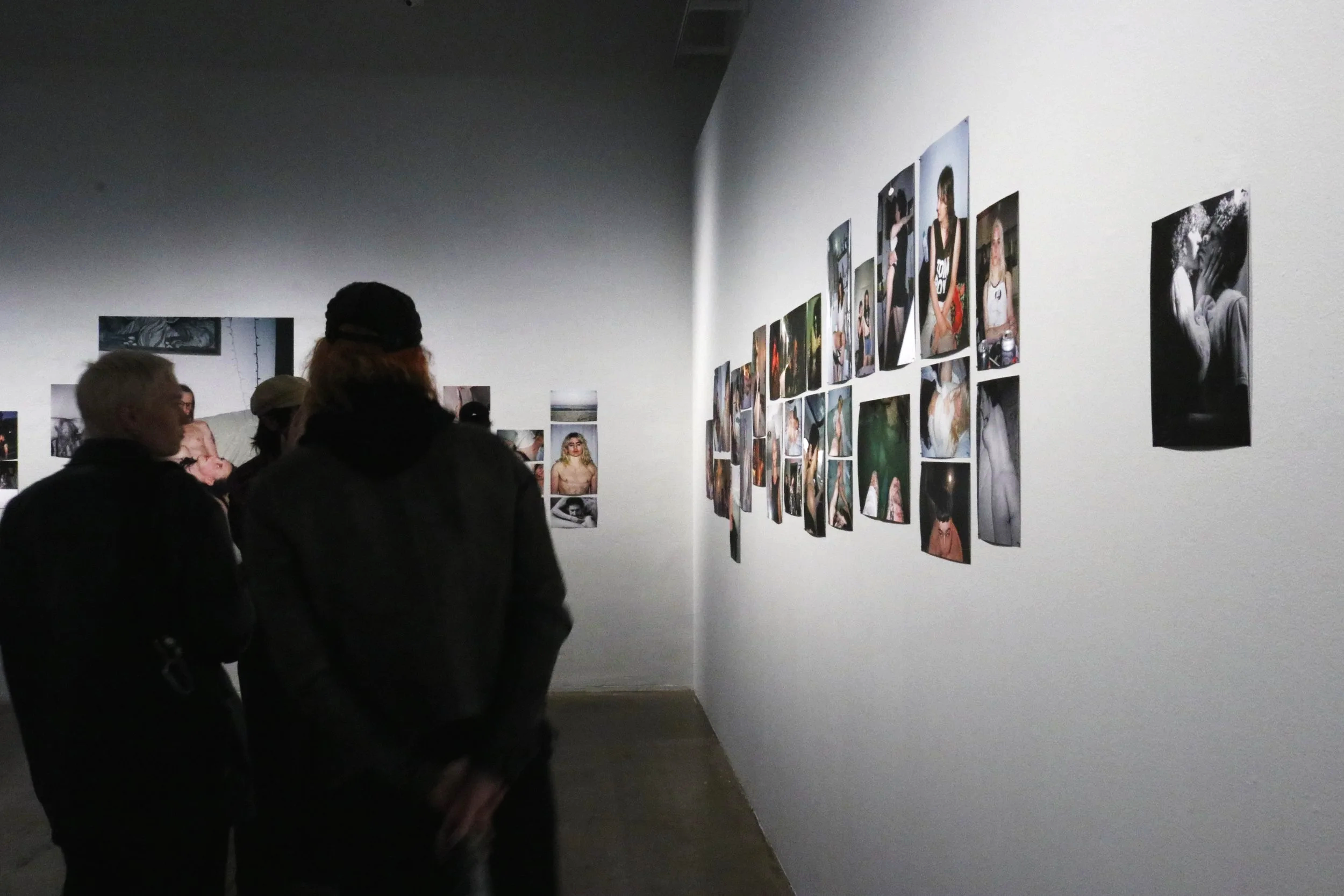
Photographs taken by Raul Medina (Queerland Media) on the final day of the exhibition "Feminine Man" by artist and photographer Z Walsh.Z Walsh is known for creating raw, intimate portraits of himself and the people who make up his community.
Since publicly sharing his transgender identity in 2016, Walsh has gained international recognition as both a photographer and filmmaker. His previous experiences as a female model and sex worker have profoundly shaped his artistic practice and visual language.
At the heart of his work lies a commitment to documenting transgender beauty while challenging the cultural invisibility often imposed on trans masculinity.
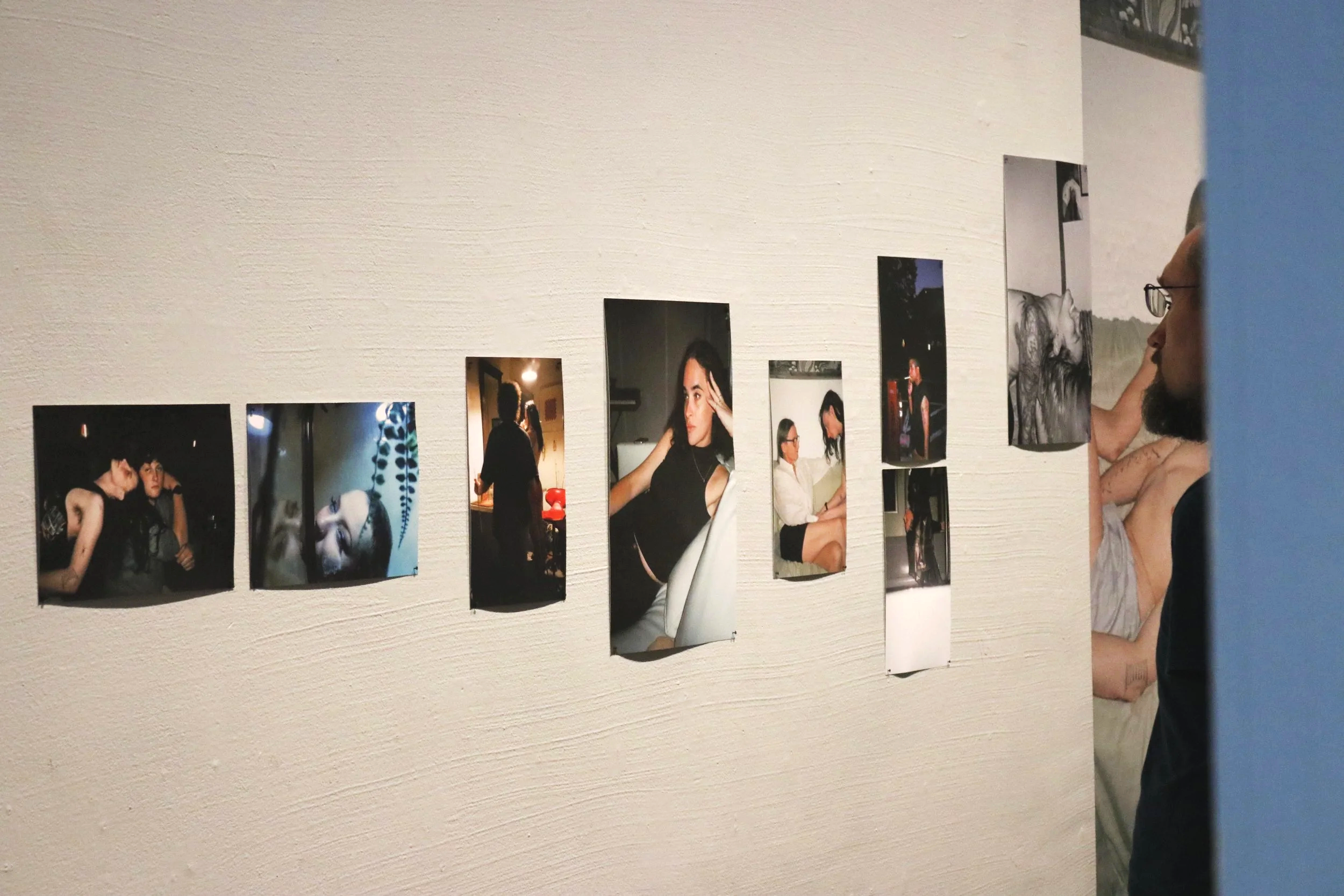
His photographs do not seek approval. They seek honesty.
And that honesty is precisely what has made Feminine Man such a powerful cultural statement.
Reimagining Masculinity Through Femininity
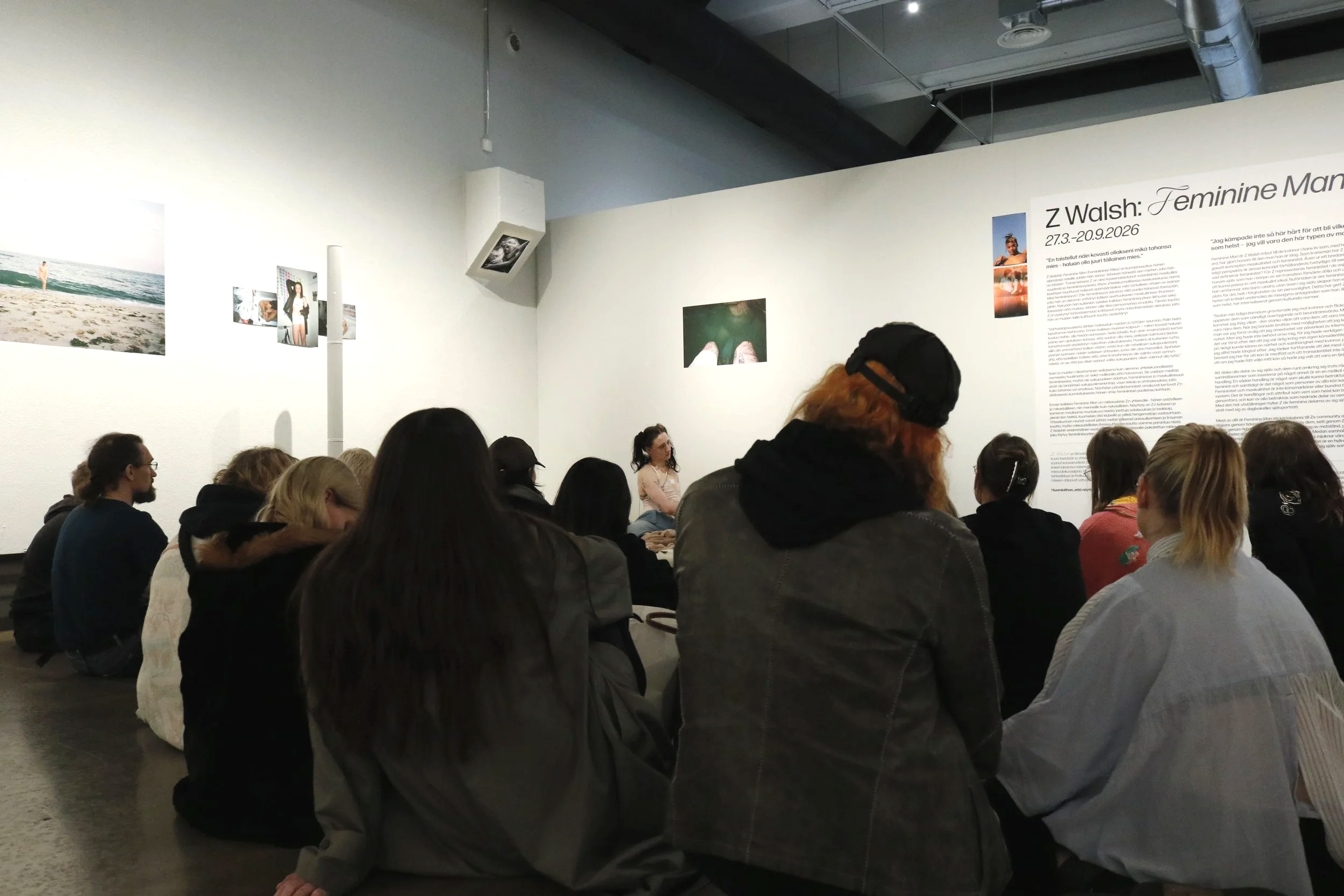
At its core, Feminine Man is a love letter.
It is dedicated to the women who, in Walsh’s words, “made him the man he is today.”
As a trans man, Walsh has spent years questioning society’s definitions of masculinity and femininity. The exhibition explores those questions with remarkable vulnerability.
What does femininity actually mean?
Who gets to claim it?
Why is it often viewed as incompatible with masculinity?
For Walsh, femininity represents the parts of himself he once felt pressured to hide in order to fit traditional expectations of manhood. Today, those same qualities have become central to his identity.
Rather than rejecting femininity, he embraces it.
Rather than distancing himself from women, he celebrates the profound influence women have had on his life.
Through photography, Walsh also examines the misogynistic assumptions that many people absorb through culture and social conditioning. The exhibition invites viewers to rethink the rigid categories that continue to shape conversations around gender. Its message is strikingly clear:
Femininity and masculinity are not fixed destinations. They are qualities, actions, energies, and experiences available to everyone.
A Visual Diary of Self-Acceptance
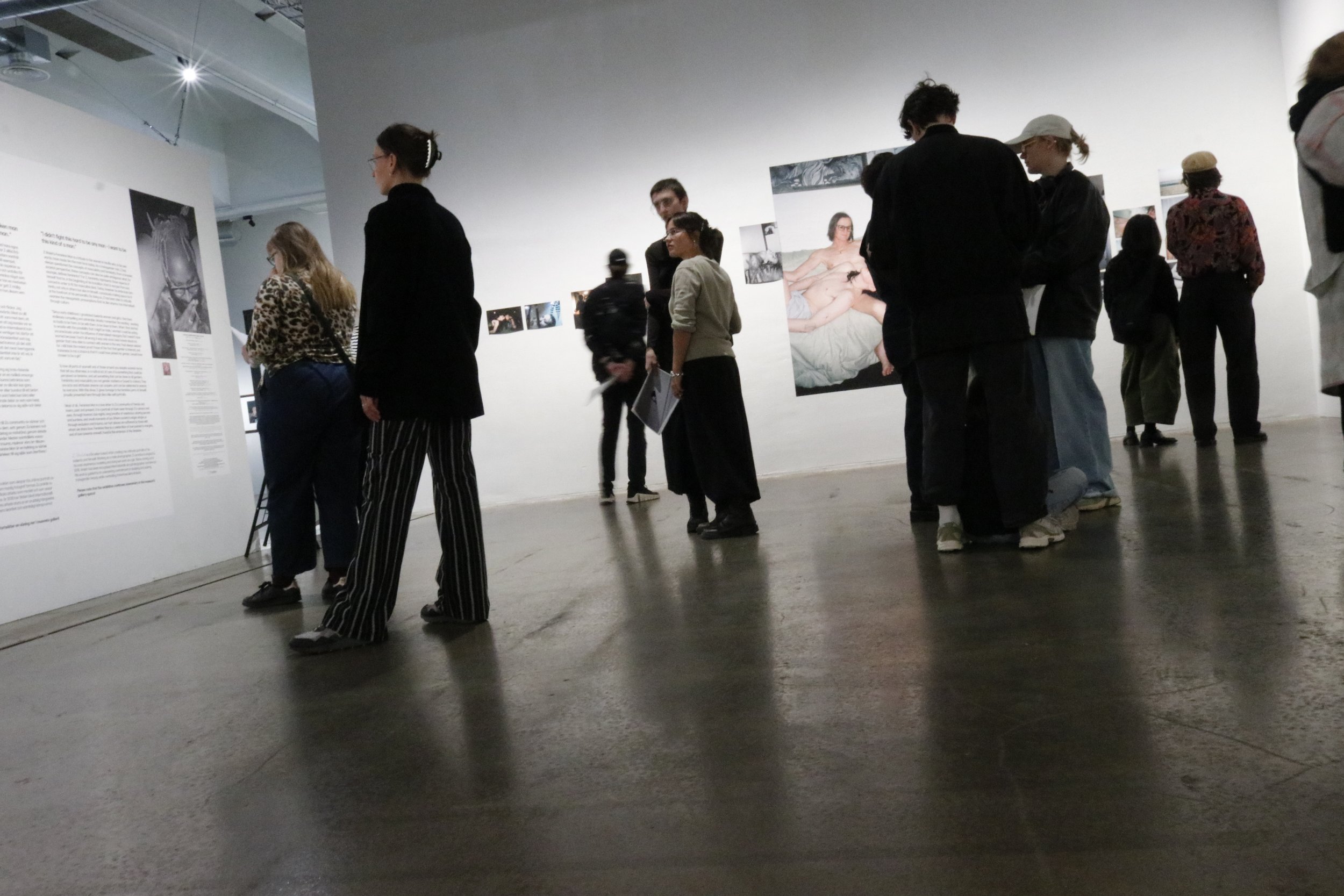
Photographs taken by Raul Medina (Queerland Media) on the final day of the exhibition "Feminine Man" by artist and photographer Z Walsh.
The exhibition's self-portraits unfold like pages from a personal journal and each image reveals a different layer of identity, vulnerability, longing, tenderness, and transformation.
The photographs do not offer easy answers, instead, they document an ongoing conversation between the artist and himself. A conversation about gender. A conversation about belonging. A conversation about freedom.
Visitors moved through multiple exhibition rooms filled with large-scale photographic works, each contributing to a broader narrative about self-discovery and acceptance.
Another space featured a visual installation where audiences could watch interviews and question-and-answer sessions, gaining deeper insight into Walsh’s personal journey, artistic motivations, and creative process.
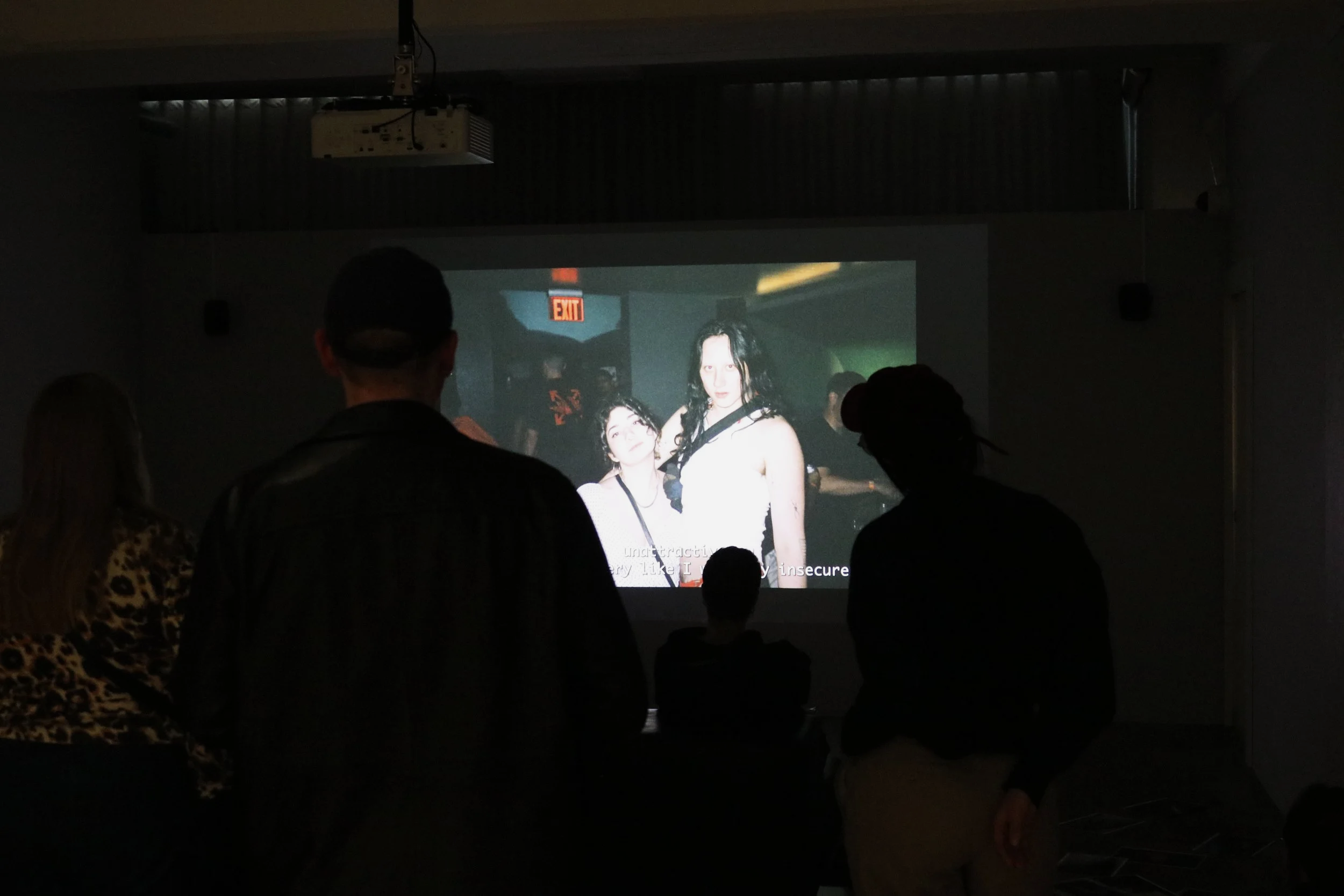
Together, these elements created an immersive experience that felt both deeply personal and universally relatable.
“It Feels Like First Heartbreak”
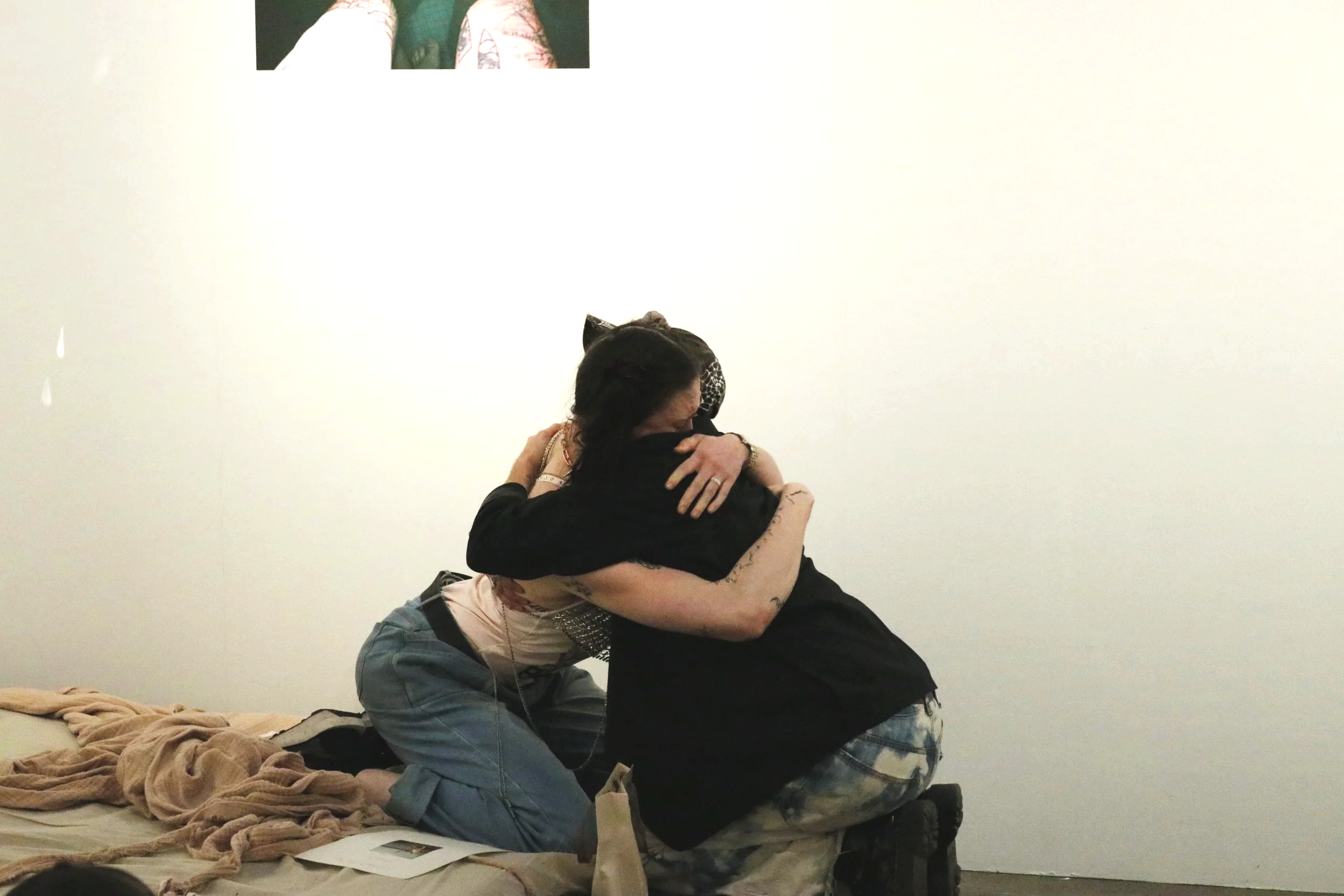
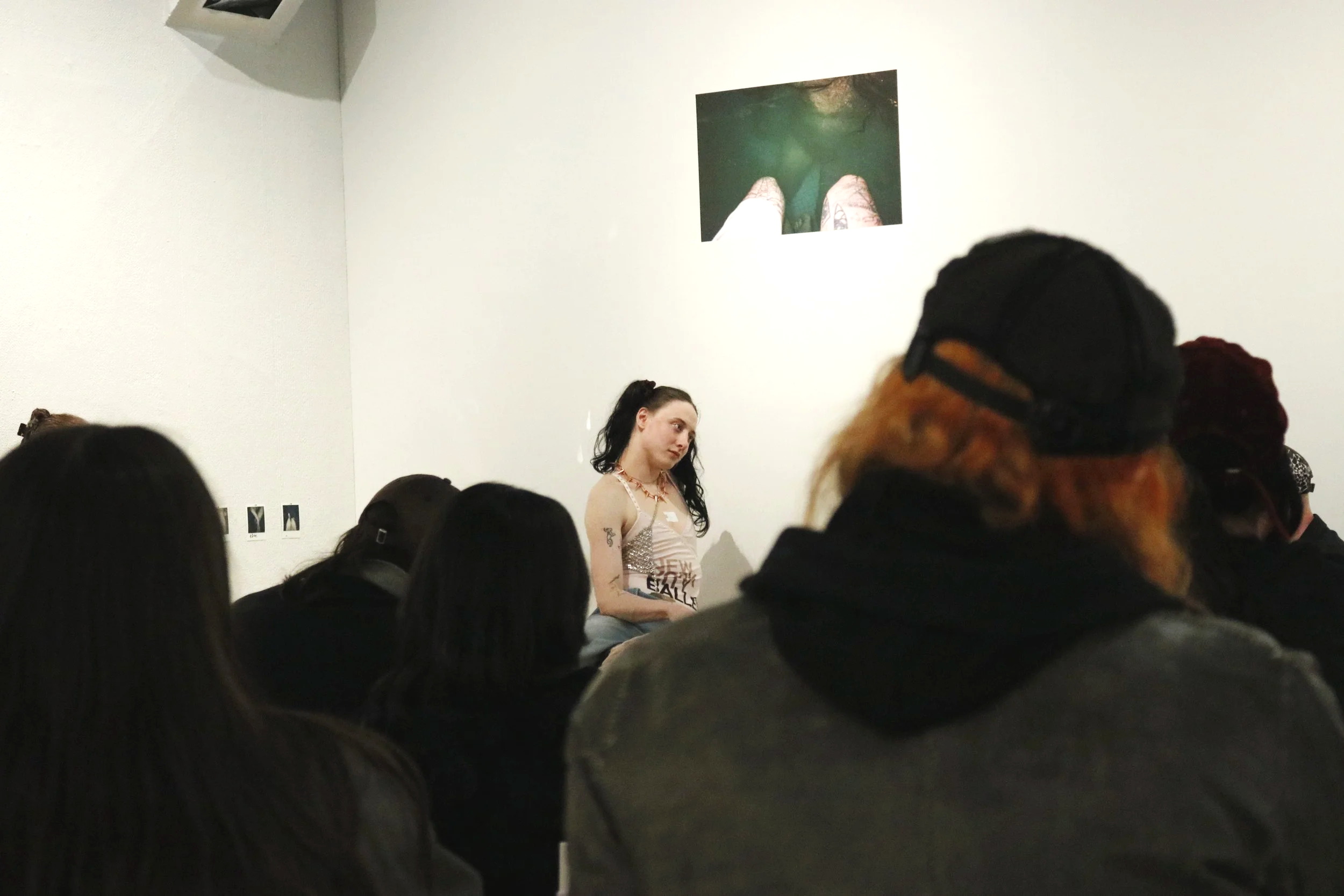
Photographs taken by Raul Medina (Queerland Media) on the final day of the exhibition "Feminine Man" by artist and photographer Z Walsh.
For Walsh, the closing of Feminine Man was marked by a complex mixture of gratitude and loss.
Reflecting on the end of the exhibition, he shared:
“What do I feel about the end of my exhibition? Well, it’s a feeling I know well, but it still caught me by surprise because I never thought I’d experience it again. It’s the feeling of first heartbreak.”
The comparison resonated with many attendees.
After all, exhibitions are temporary by nature.
They arrive.
They connect.
They transform.
And eventually, they disappear.
But like heartbreak, their impact often remains long after they are gone.
More Than an Exhibition
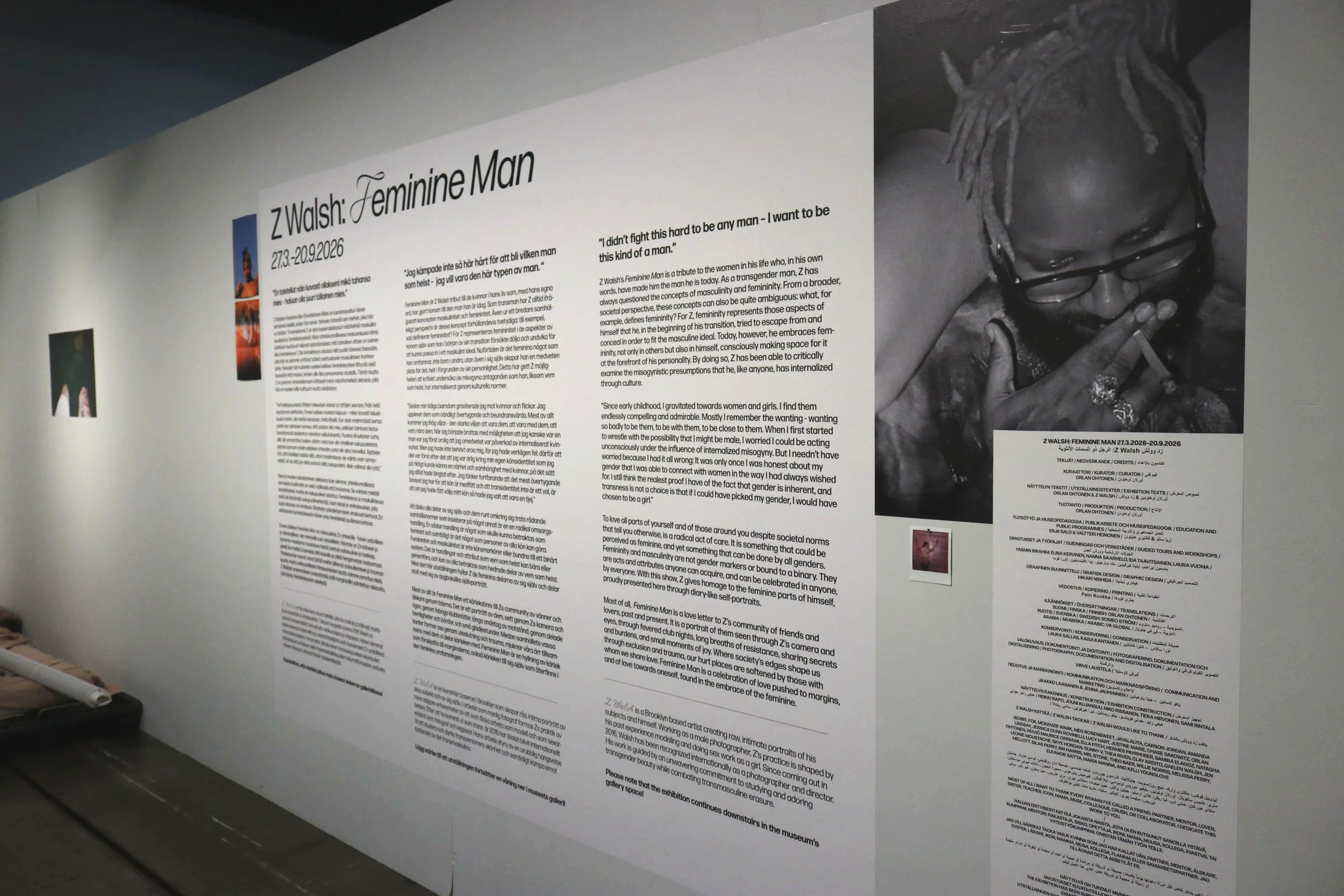
Photographs taken by ©Raul Medina (Queerland Media) on the final day of the exhibition "Feminine Man" by artist and photographer Z Walsh.
Curated by Orlan Ohtonen and produced by Isobel Fox, Feminine Man represented an important milestone in Walsh’s career as his first solo exhibition.
Yet its significance extends beyond that achievement.
The project offered a rare and nuanced exploration of trans masculinity, one that rejected stereotypes and embraced contradiction, softness, complexity, and emotional honesty.
Over the course of nearly seven months, from March 27 to September 20, 2026, hundreds of visitors walked through its galleries.
The Last Embrace
As the final hours approached, the atmosphere inside the museum shifted.
There were hugs.
There were kisses.
There were smiles.
There were tears.
Walsh thanked those who had supported the exhibition and those who had taken the time to experience it. The audience responded with warmth and affection.
What began as a photography exhibition ended as something much more human: a collective celebration of authenticity, vulnerability, and the courage to exist beyond society’s expectations.
If Feminine Man leaves behind a lasting lesson, it may be this:
The most radical act is not becoming someone else. It is fully embracing who you already are.
Have a story to share?
Know something happening in your community that deserves attention?
You can contact the Queerland Media editorial team in complete confidence. If you prefer, email us at hello@queerlandmedia.com.
We read every message we receive, although we may not be able to reply personally to all of them.
