
Bar Utopia didn’t begin as a phenomenon. It began as a feeling.
A Line Around the Block—and a Shift in Power
Café Lasipalatsi was loud that day. Not the cozy, tucked-away second floor kind of loud—the one where conversations stay between sips of coffee and soft glances. No. This was ground-floor energy. Crowded. Alive. A little chaotic.
And somehow, perfect.
Because what unfolded at that table wasn’t just an interview—it was the kind of conversation that spills over, pulls people in, and makes strangers listen without even trying. Maybe that’s fitting. A great concept for a podcast, but without the mega-production, expensive equipment, but what it did have was a great, unfiltered conversation, and it was fantastic.
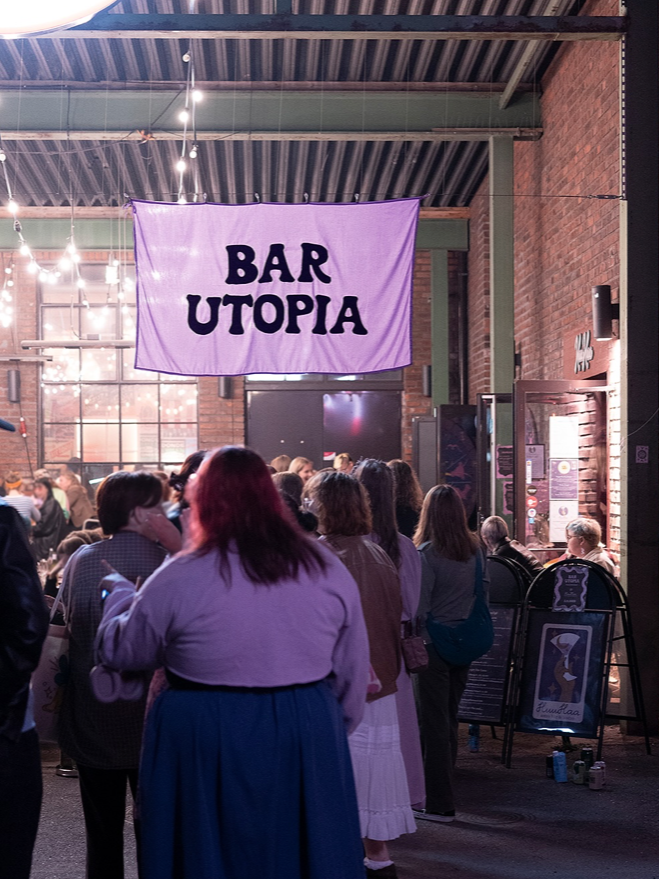
Because just weeks before, a photograph published in a major Finnish newspaper showed something the city hadn’t quite seen before: a long line of lesbians —queer women and gender minorities—waiting patiently in the cold to get into Bar Utopia.
Not a few. Not a handful. A movement. And at the center of it all? Bee.
“We Started With 50 People… And Then It Blew Up”
We started 2 years ago with this concept. The first event was in a bar that we had just booked a few tables and around 50 people turned up. We had a one year break and gathered more people for the production team. I started the project with one other person, and when they had other commitments, I decided I wanted to do something together with a bigger group, and build communality. I'm a graphic designer as a day job and work alone, so I wanted to do something together with other people. Producing an event is a lot to do by yourself.
“It’s a lot to do by yourself. And I didn’t want to build something alone—I wanted community.”
So Bee did something simple, but radical: asked for help. A public call. A working group. A shared vision. And by June, the second event didn’t just return—it exploded.
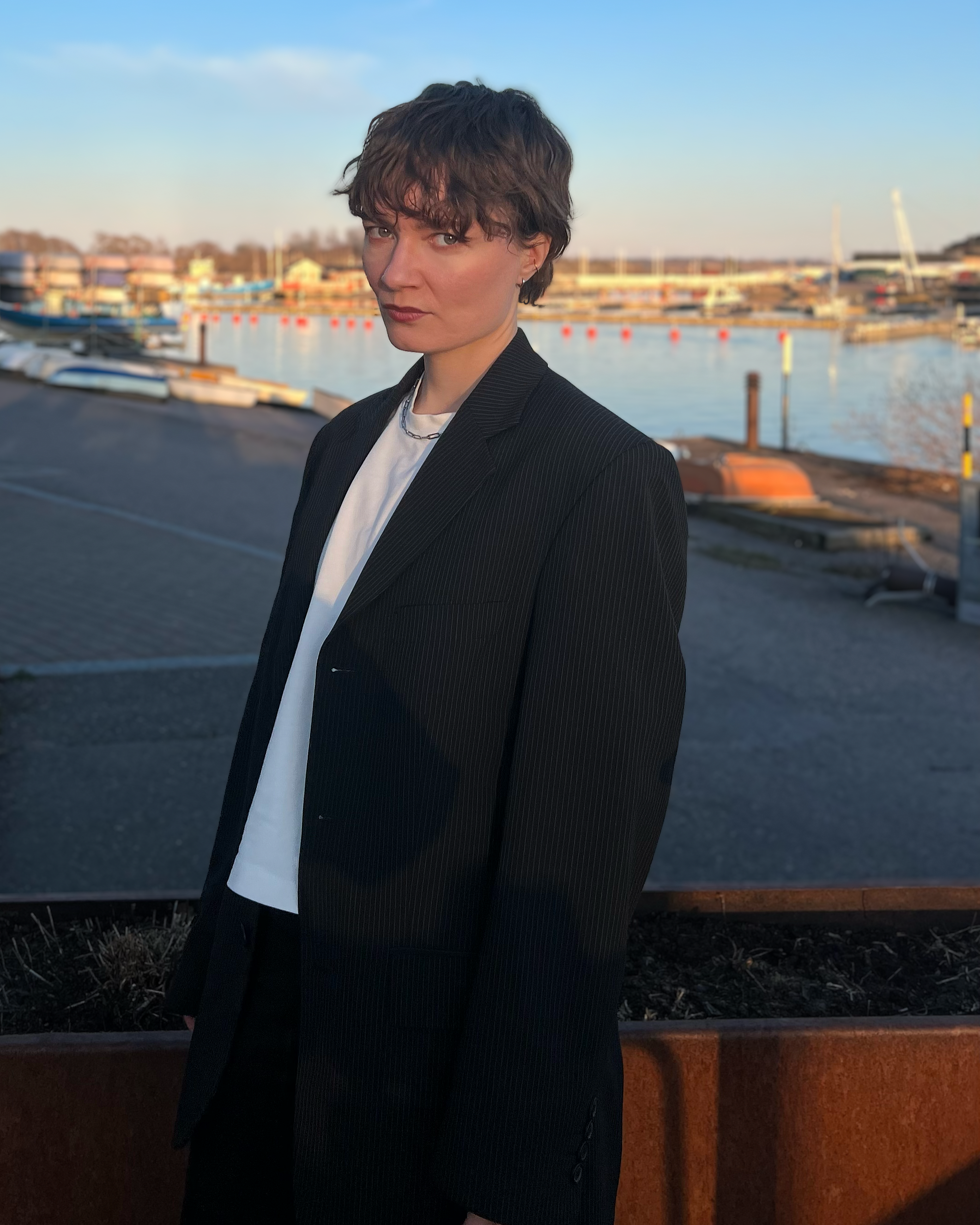
Bar Utopia It’s inclusive of bi and pansexuals, trans women, trans masculine people and non-binary people—I’m non-binary myself.
Bee - Bar Utopia
QM: Do you already have a date for the summer event?
Bee: Yes, it’s happening again on June 6th this summer.
You can be surrounded by queer people and still feel alone. Bee saw that. Felt that. Lived that. So Utopia wasn’t just about creating another event—it was about engineering connection.
A soft push. A gentle disruption. A space where talking to strangers isn’t awkward—it’s the whole point.
QM: Let’s go back to the beginning. When you created Bar Utopia Helsinki, what was missing? Why did it feel necessary?
Bee: There were some lesbian nights and generic queer events where lesbians were welcome before Utopia, but people didn’t really mix. Everyone stayed in their own groups. Even if people wanted to connect, my experience was that it just didn’t happen. I wanted to create a space that gently encourages people to actually meet.
QM: Was that idea influenced by experiences abroad?
Bee: Definitely. I lived in London for six years, and the small talk culture there makes it so easy to connect with strangers. That kind of openness really stayed with me.
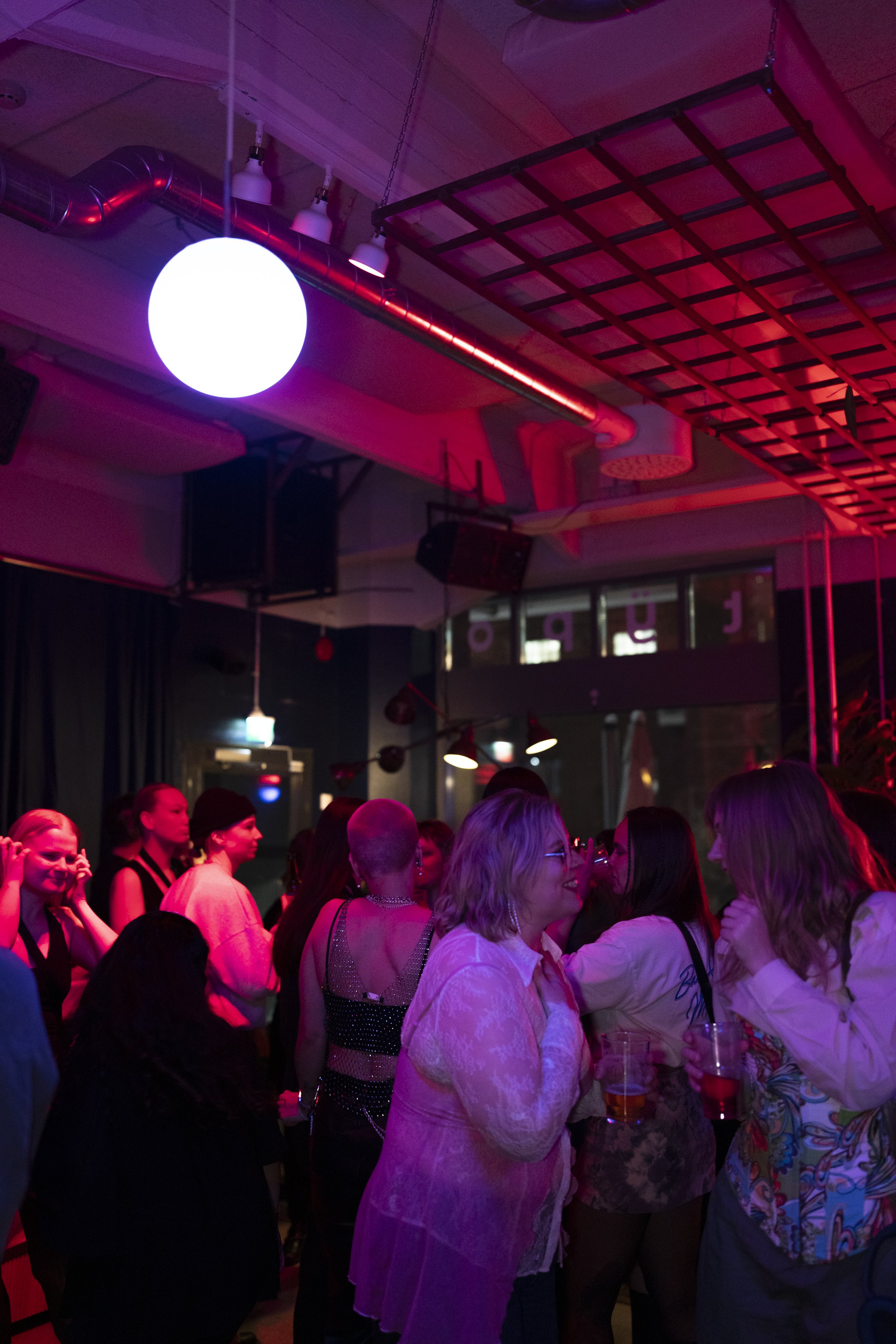
Photo by Emilia Usvalaakso
The word itself carries weight. Dreamlike. Idealistic. Almost unreachable. That’s exactly why it fits. Not perfection. Not fantasy. Progress. A place where lesbians—and anyone drawn to that energy—can feel visible, safe, and free. And importantly: build it together.
QM: In Finland, people don’t resist connection—they just need a little push.
QM: Why “Utopia”? What does that name hold for you?
Bee: It represents a place that doesn’t fully exist yet, but one we’re moving toward. A space where lesbians and queer people can feel safe, visible, and free. It has a dreamy quality—but it’s also something we actively build together, step by step.
QM: Did you start this journey alone?
Bee: It was my idea, but I organized the first event with Rebekka Yallop.
QM: When you started, was there doubt? Or did you always believe in it?
Bee: Well, it was a bit scary because I had only organized like exhibitions before I hadn’t organized an event like this. So it was something new but also exciting. From the beginning we got such good response from social media that it was exciting.
Who Gets to Belong? Let’s Be Clear
Utopia is intentional. It centers lesbian energy. Lesbian visibility. Lesbian space.
But it doesn’t exclude—it expands.
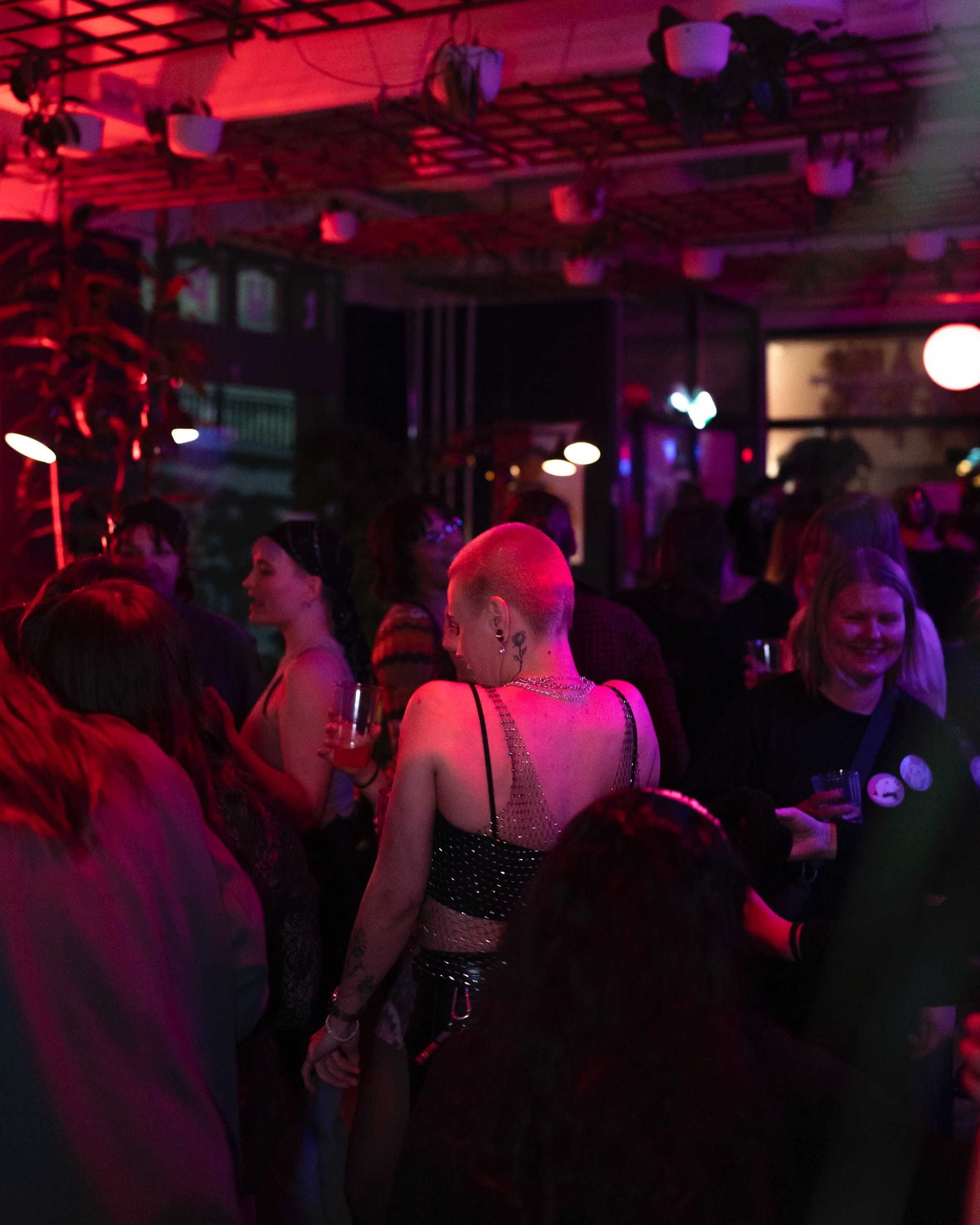
”Media attention has brought hateful comments — but if anything, it’s shown why visibility matters”
Bee
Photo by Emilia UsvalaaksoIn a world obsessed with labels, Utopia focuses on experience. What does it feel like to be in the room? That’s the real question.
QM: Who is Utopia for? Is it exclusive or open?
Bee: We intentionally use the word “lesbian” because Bar Utopia is a lesbian-centered space. But anyone who connects with that environment is welcome. It’s inclusive of bi and pansexuals, trans women, trans masculine people and non-binary people—I’m non-binary myself.
QM: Is Helsinki truly inclusive for lesbians—or does it just seem that way?
Bee: There are very few spaces for queer people in general. And in non-queer bars, you can still face uncomfortable situations—comments, interruptions, men approaching you on dates.
Even now. Even here. And when it comes to nightlife? The imbalance is obvious. Gay male spaces dominate. Ownership, visibility, longevity—it’s been the same players for decades. Lesbian spaces? Almost invisible.
QM: Even in queer spaces, the scene feels limited. Many venues are still shaped by the same structures and people for decades. There’s a lack of new concepts, especially for lesbians.
QM: Have there been lesbian spaces in Helsinki before?
Bee: From what I found, there were some in the 80s and 90s, but not much since then - or not while I’ve lived in Helsinki, at least.
Money, Power, and the Queer Double Standard
Here’s where the conversation gets uncomfortable—and necessary. Why is queer work expected to be free?
Why are community builders expected to sacrifice sustainability?
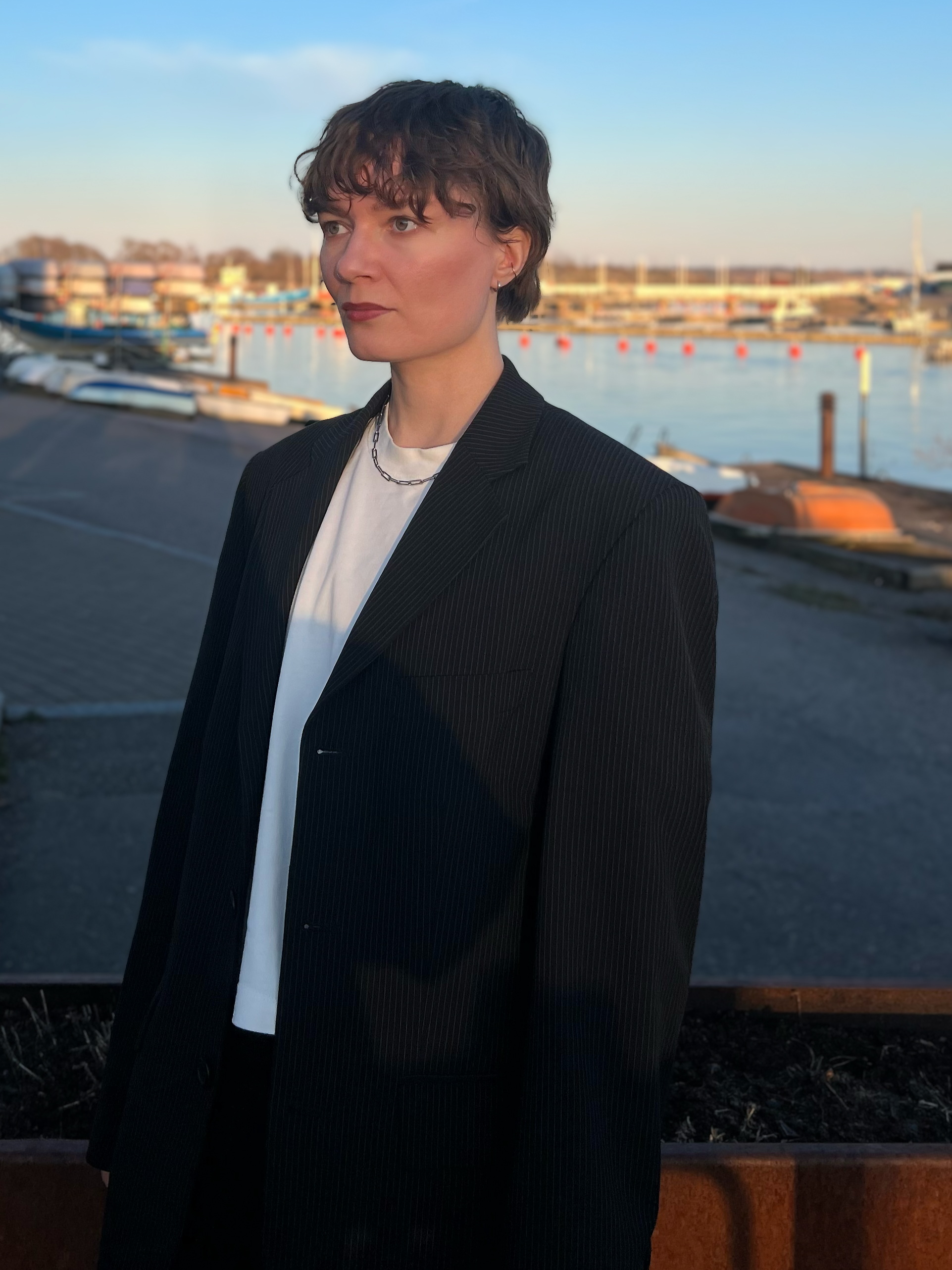
I didn’t expect people to be interested in who we are behind the project. But now I’m more visible than ever in my queerness.
Bee - Bar Utopia
Let’s be honest: visibility doesn’t pay rent. And yet, people hesitate to support financially—even when they show up.
QM: Why do you think that gap exists?
Bee: Starting a bar requires money. And there’s also this stereotype that lesbians just stay home with their partners. That perception doesn’t help.
QM: There’s also something deeper—within the community, queer people are often expected to be activists, to give, to contribute… but not necessarily to build sustainable businesses.
Not all activism looks like protest signs. Some of it looks like building something from nothing. Creating spaces. Designing experiences. Holding rooms together “We’re kind of activists as well—but in a different way.”
And maybe that’s the evolution we need to talk about more. Queer entrepreneurship isn’t separate from activism. It is activism.“We’re also creating change—but in a different way.”
Bee: Especially for women, that expectation is very strong.
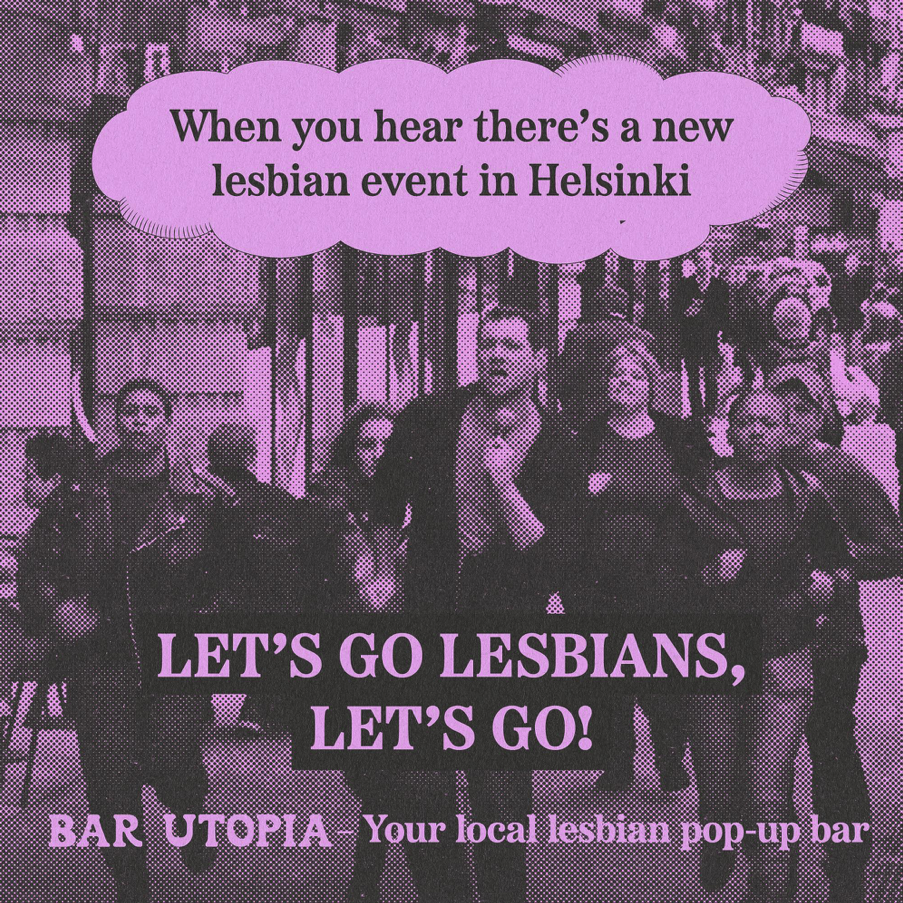
©Bar Utopia Instagram
QM: Do you think the queer community should be more visible in entrepreneurship?
Bee: People should be able to choose what they share. But it’s strange that money is almost a taboo topic. Organizing events takes a lot of work, and it’s not sustainable to do it for free. We’re only now starting to sell tickets properly—before that, we operated on voluntary contributions, and people would pay approximately 2,50 e per person.
QM: Supporting the community also means investing in it.
Bee: Exactly.
That gap? It matters. Because if we don’t invest in queer spaces, we lose them. Simple as that.
QM: Is there real unity within the LGBTQ+ community in Helsinki?
Bee: On a personal level, yes. But on a structural or business level, not really. That’s why moments like The Queer Gala felt so special—we could connect, talk, and appreciate each other’s work. I wish there were more of that.
QM: And your vision for Utopia includes growing it as a business.
Bee: Yes.
QM: And maybe one day… a permanent space?
Bee: That’s my personal dream—to make it a reality in the long term.
Visibility Comes With a Price—But Also Power
Bee didn’t expect to become the face of anything. But visibility has a way of finding you. And with it? Backlash. “There were comments… people saying we’re mentally ill. Men saying they’ll show up.” It’s ugly. It’s real. It’s still happening. But instead of shrinking, Bee leans in. “It just means we should be in the media more. That’s the shift. Not hiding. Expanding.
QM: Has visibility ever felt scary?
Bee: The media attention surprised us. I didn’t expect people to be interested in who we are behind the project. But now I’m more visible than ever in my queerness. We’ve been selective with media to avoid negativity, but there have still been hateful comments. Even so, I don’t feel afraid. If anything, it shows why visibility matters.
©Bar Utopia InstagramTo the Ones Who Still Feel Invisible
This part lands softer—but deeper. Because not everyone is in the line outside Utopia yet. Some are still figuring it out. Still questioning. Still alone. Bee also told us “Ten or twenty years ago, growing up, you felt completely alone… now you can find representation.” But even today, invisibility hits differently—especially for femme lesbians. “Straight people assume you’re straight. Queer people might question you.”
QM: Visibility is not just exposure—it’s responsibility. And for younger generations, it can mean everything.
What would you say to a young queer person who feels invisible or afraid?
Bee: Today, social media helps a lot with representation. It wasn’t like this 10 or 20 years ago. Many of us grew up feeling alone. I think femme lesbians, especially, struggle with invisibility—they’re often misread by both straight and queer communities. I just hope young people know they can be themselves, and that there’s no single way to look or exist as queer.
So here’s the message, clear and needed:
“You don’t have to look a certain way to be queer.”
QM: Representation has been too narrow for too long. Projects like yours expand that narrative. Do initiatives like Peaches or Sapphic Space support each other?
Bee: Yes definitely, It’s amazing that so many lesbian-focused spaces are emerging now. After DTM closed, there was a gap that needed to be filled. We’ve connected with others, supported each other, and even inspired small things—like our mingle activities showing up in other events.
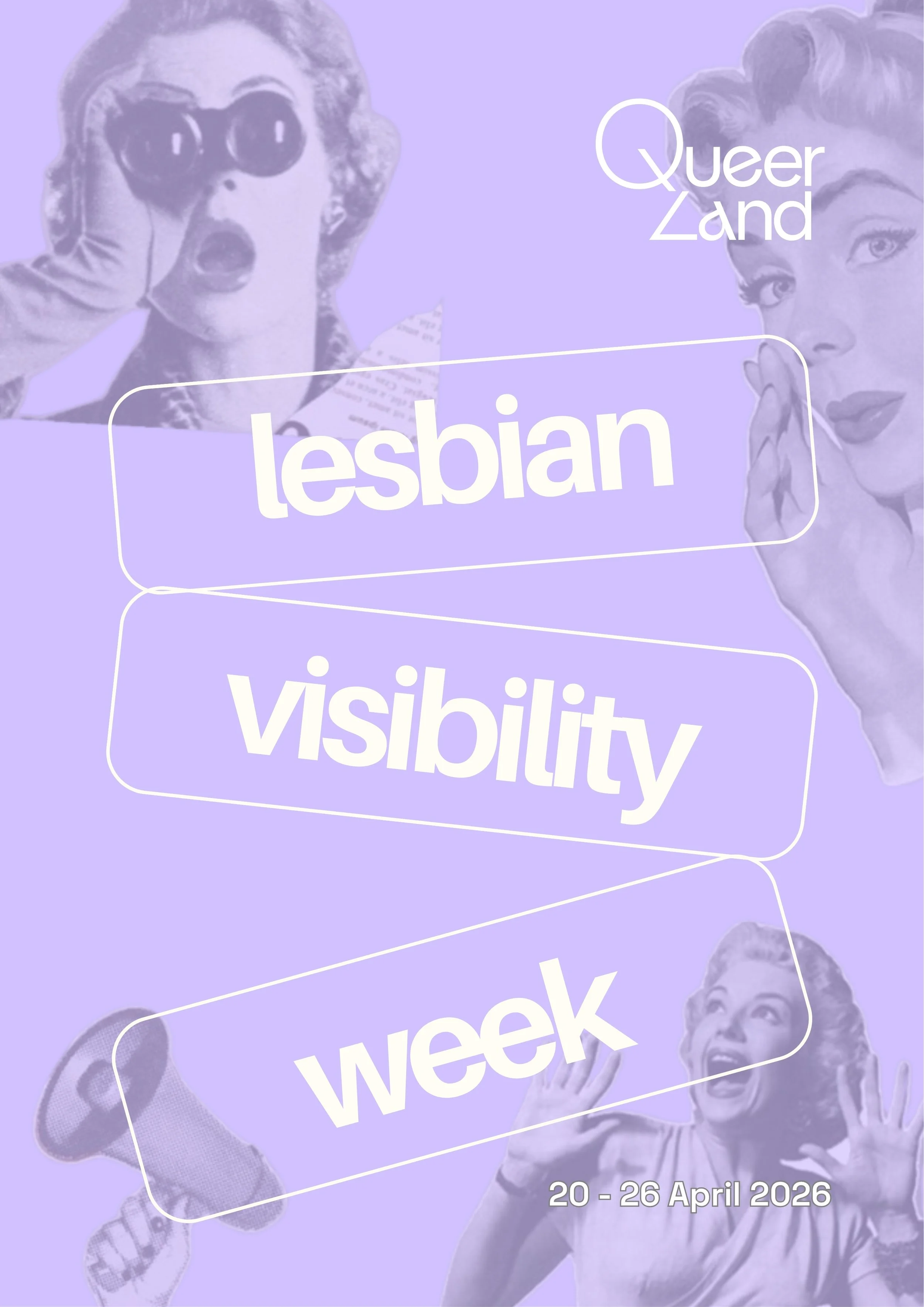
©Bar Utopia Instagram
QM: Why do you think this is happening right now?
Bee: Because the need has always been there—it just finally found momentum.
QM: What does Lesbian Visibility Week mean for Utopia?
Bee: Well, this is the month that we are making Bar Utopia and offical business. We just submitted the papers a few days ago. So, we will be more visible from now, officially becoming a queer business.
QM: That’s a powerful step. Congratulations. Are people coming from outside Helsinki?
Bee: Yes, we’ve had people travel from other cities like Tampere, and we’ve even been invited to bring Utopia elsewhere.
If Nothing Else—Take This With You
At the end of it all, there’s one message Bee keeps coming back to. It’s simple. Direct. A little rebellious.
QM: I want to ask you something different. Not about the beginning—but about the end. If Utopia had its last night, what would you want to leave behind?
Bee: I’d say: if you feel something is missing in your community, don’t wait. You don’t need permission to start something. Just try, create, and see what happens.
QM: When you saw that long line of people waiting outside—what did you feel?
Bee: Surreal. Even after the third time, I didn’t realize how long the line really was until I saw photos. People waiting for hours—it shows how much this space is needed.
QM: And who shows up? Is there a specific generation?
Bee: It’s very diverse. Mostly between 20 and 40, but the range is wide—and that’s what makes it special.
Final Thought — The Real Utopia
Maybe Utopia isn’t a place. Maybe it’s a decision. To show up. To build. To take space—even when it doesn’t exist yet.
Because somewhere in Helsinki, a line is forming again. And this time, it’s not just about getting in.
It’s about changing who gets to belong.
CALL TO ACTION
Craving more stories like this? Discover bold voices, real stories, and queer perspectives shaping our world at queerlandmedia.com
Got a story, a voice, or a movement we should spotlight?
We want to hear from you.
hello@queerlandmedia.com
Because visibility isn’t optional—it’s everything.
