
Thinking about the lesbian scene in Helsinki today, it’s impossible not to notice how visible queer spaces and lesbian communities have become. For many of us, a sense of belonging as lesbians hasn’t always been something we could take for granted.
queerlandmedia.com
Growing up, not everyone felt safe or like they truly belonged anywhere. Today, things feel different and that shift didn’t happen by chance. Lesbians made it happen. You can see it in how the community shows up these days, and in the spaces and events that are finally meant for us.
Lesbians have always been here, but what has changed is visibility. We are louder and more intentional. That sense of safety shows up in small, everyday moments: holding hands in public without hesitation, expressing yourself freely, and moving through public spaces without questioning whether you are welcome or safe.
For many of us, especially those who didn’t grow up in bigger cities, the difference is significant. There were no dedicated spaces, no events, no sense that there was something to belong to. Coming out often meant stepping into the unknown. Now, in Helsinki, that experience can be different. After coming out, the importance of community and queer-led spaces becomes even more important. That’s where I found my people and my friends.
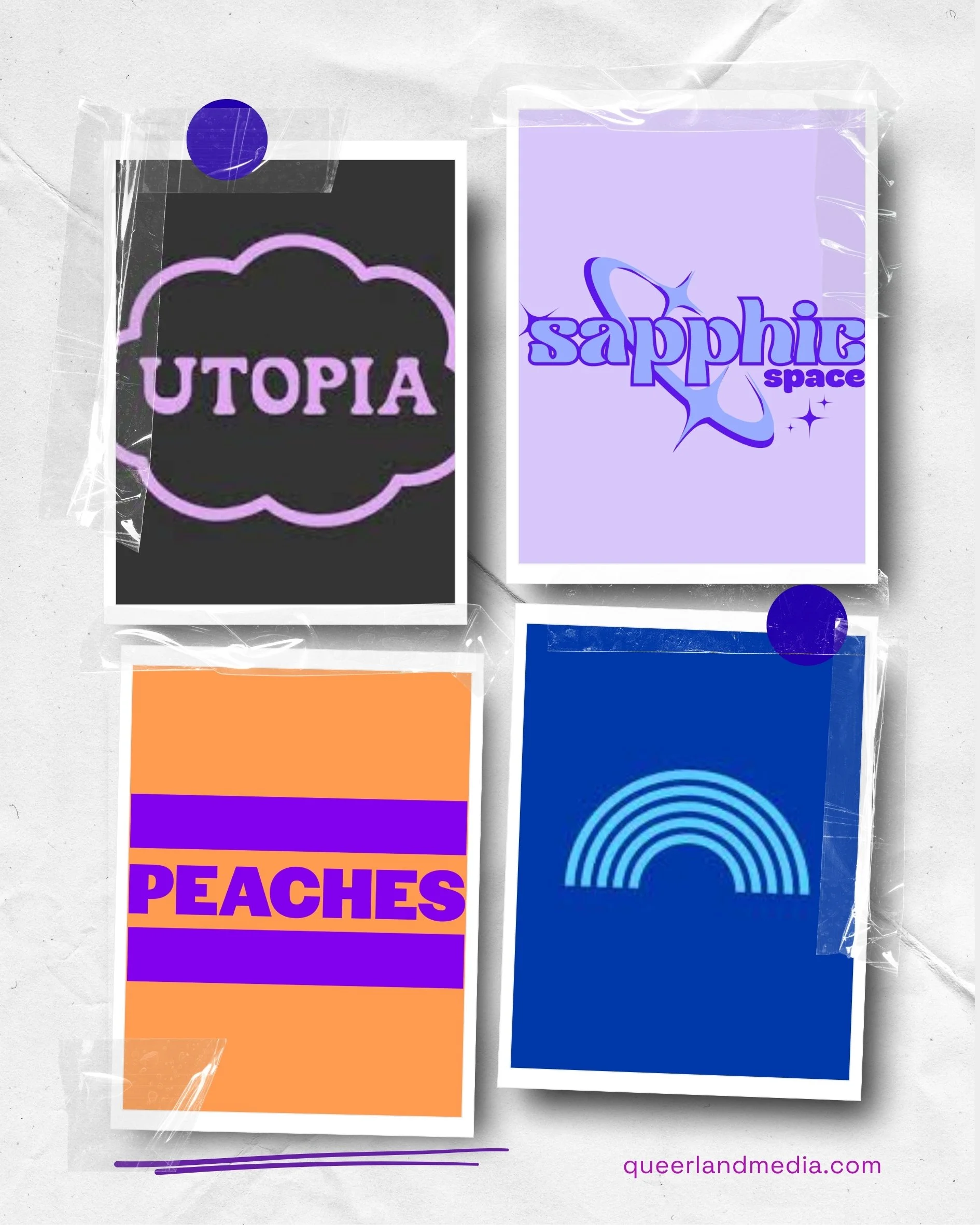
That is why spaces like Sapphic Space, Kestit: for queer women and gender minorities), Peaches, Bar Utopia and other lesbian-centered events matter so deeply. They are filling a gap that existed for a long time, creating environments where lesbians don’t have to question whether they belong. Because even within gay bars, you still sometimes wonder if it’s only made for gay men. A space can feel open and welcoming, but the question still remains: are lesbians also welcome? And that is why we started creating our own
spaces.
©Queerland Media
We choose to use the word lesbian on purpose. For a long time, it had a negative weight — even within the community. A lot of us felt uncomfortable using it. Reclaiming it now is part of being visible and defining ourselves on our own terms.
Queer entrepreneurship is a big part of what shapes the scene. When a space is openly queer-owned or clearly queer-friendly, it just feels different. More approachable, more comfortable. But businesses can still improve their transparency. A lot of businesses aren’t very clear about whether they’re queer-owned or just genuinely queer-friendly, which actually matters. It affects where we choose to go, who we want to work with, and where we feel good bringing our
community as Sapphic Space. And of course you don’t have to be queer-owned to be a good ally. Businesses can still play an important role by showing real support, reaching out, and aligning with the community in meaningful ways.
But you can’t just claim to be queer-friendly, there needs to be real action behind it. You can tell when a place is making an effort: in how they communicate, who they support, how they collaborate, and how they show up for the community overall. There’s a clear difference between just being okay with us and actually standing with us.
As a community, we the have power. We decide where we go, where we spend our time and money, and who we support. Those choices shape what the scene looks like in Helsinki. By supporting places that share our values, we’re actively building the kind of community we want to be part of.
At the same time, there are still questions. What actually makes a space queer-friendly? Is it a sticker on the door, the people working there, the ownership, or the actions behind the scenes? It’s not always a simple answer but it’s an important conversation to keep having.
As Sapphic Space, we’re also aware that we’re part of something bigger. We’re building on the work of people who came before us, which is why things are easier now. The community we have now exists because people before us pushed for it, and that same energy is still needed.
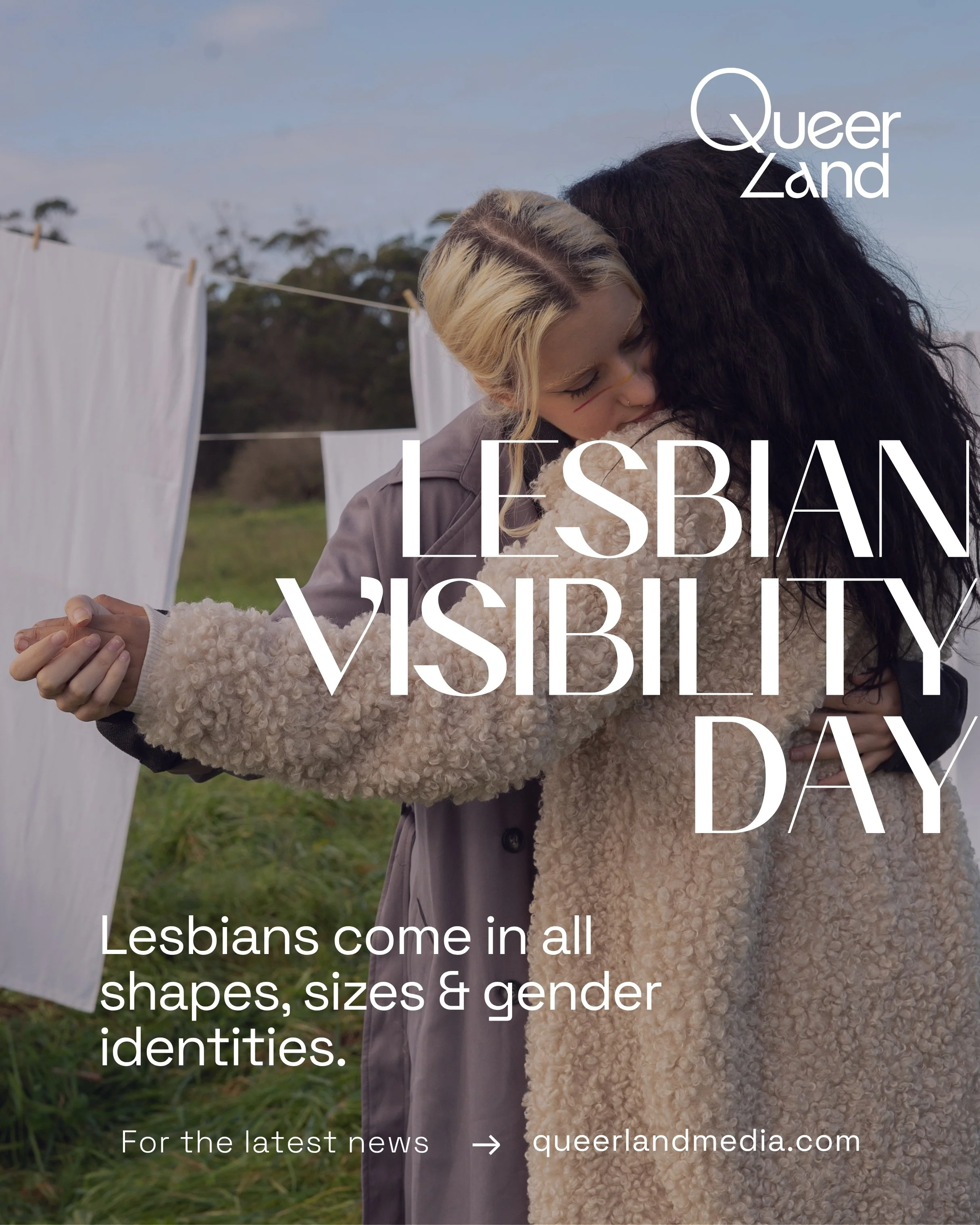
NTERNATIONAL LESBIAN VISIBILITY DAY 🌈 Observed every April 26, International Lesbian Visibility Day highlights the voices, stories, and contributions of lesbian women around the world while promoting equality and inclusion.
Even with all the progress, the work isn’t done; it’s ongoing and it still matters. Homophobia still exists, and visibility doesn’t automatically mean full acceptance. That’s why we can’t become passive. With everything happening in the world right now, we need to be louder, more visible and still work hard. Because our rights don’t just stay — they need to be maintained and protected.
The current lesbian scene in Helsinki shows what’s possible when a community takes initiative. Compared to not feeling safe or having spaces to belong in, what exists now is something many of us could not have imagined growing up. I’m grateful for those in our community who walked so we could run, making it possible for us to build what we have now. And as Sapphic Space we will keep building it because we aren’t done yet.
There is no such thing as too much representation or visibility because for too long, we had too little of both. Lesbians are here every day of the year, not just lesbian visibility week.
This article is written by Aada Rintakumpu, journalism student and co-founder of Sapphic Space in Helsinki, offering a personal and community-driven perspective on the evolving lesbian scene in the Finnish capital.
