

Durk Dehner - Photo by ©Ben Duggan
A bitter dispute between the foundation's board and co-founder Durk Dehner has placed a landmark of LGBTQ+ cultural heritage at a crossroads, with original artworks moved into storage and the future of TOM House uncertain.
For decades, the Tom of Finland Foundation has been more than an institution dedicated to preserving the work of one artist. It has been a meeting point for queer creativity, sexual freedom and artistic expression — a place where generations of LGBTQ+ artists could find inspiration, community and a connection to their history.
Today, that legacy faces an uncertain future. An increasingly public dispute between the foundation's current board of directors and its co-founder and longtime public face, Durk Dehner, has shaken the organization, raised questions about its financial management and left the future of its historic Los Angeles home, known as TOM House, in doubt.
At the heart of the conflict is a difficult question: Who gets to protect, manage and define the legacy of Tom of Finland?
A legacy that helped shape queer visual culture
To understand the significance of this dispute, it is important to understand the artist behind the name.
Tom of Finland was the professional name of Finnish artist Touko Laaksonen (1920–1991), whose unmistakable illustrations of muscular men, leather culture and unapologetic male sexuality became internationally influential.
His work challenged the restrictions placed on gay representation at a time when LGBTQ+ identities were largely pushed into the margins of mainstream culture.
Through his drawings, Tom created a visual language that celebrated confidence, desire, masculinity and sexual freedom. His influence extended far beyond erotic illustration, reaching fashion, photography, contemporary art and queer popular culture.
In 1984, Laaksonen and Durk Dehner established the Tom of Finland Foundation in Los Angeles to preserve and promote the artist's work and legacy.
After Laaksonen's death in 1991, Dehner became a central figure in the foundation's development, helping transform it into an important cultural institution and a home for queer artists.
Over the years, its collection expanded beyond Tom's original illustrations to include thousands of works by other LGBTQ+ and queer artists.
The foundation's collection has been estimated at approximately $40 million, according to recent reporting by New York Magazine.
Why are Durk Dehner and the foundation's board in conflict?
The tensions surrounding the foundation did not emerge overnight.
In January 2025, Dehner resigned as president and left the board following controversy over photographs showing him wearing leather accessories featuring Nazi symbols, including an SS insignia.
The images generated widespread criticism, particularly because of the historical violence and persecution associated with those symbols.
Dehner defended the clothing as part of an older fetish aesthetic rather than a political statement and expressed regret over the controversy. However, the images had already raised serious concerns within parts of the LGBTQ+ community.
The situation also affected his involvement with International Mr. Leather, where he was removed from a judging role.
While this controversy brought the disagreement into public view, the foundation's challenges extended beyond the incident. Questions about financial oversight, governance, workplace practices and the organization's long-term sustainability had already become increasingly important.
The royalty dispute: Two different accounts
One of the most significant disagreements concerns the licensing rights and royalties generated by Tom of Finland's artwork.
The foundation's current leadership has challenged the financial arrangements under which Dehner received a share of licensing income.
According to New York Magazine, Dehner had received 50 percent of licensing royalties under an agreement dating back to his business partnership with Laaksonen. Dehner maintains that the arrangement was supported by the artist's 1991 will.
The current board disputes the legal interpretation of those agreements and argues that the royalties in question should have belonged to the nonprofit organization but in August 2026, the board formally filed a complaint with the California Attorney General concerning the payments, according to New York Magazine.
Dehner denies wrongdoing and rejects the allegations. It is important to distinguish between the accusations and an established legal finding: the disagreement over the rights and ownership of the royalties remains contested.
The dispute has also unfolded alongside legal and financial difficulties involving a separate licensing disagreement with retailer CultureEdit. Together, these issues have placed additional pressure on an organization already facing questions about its financial future.
TOM House: When a home becomes part of queer history
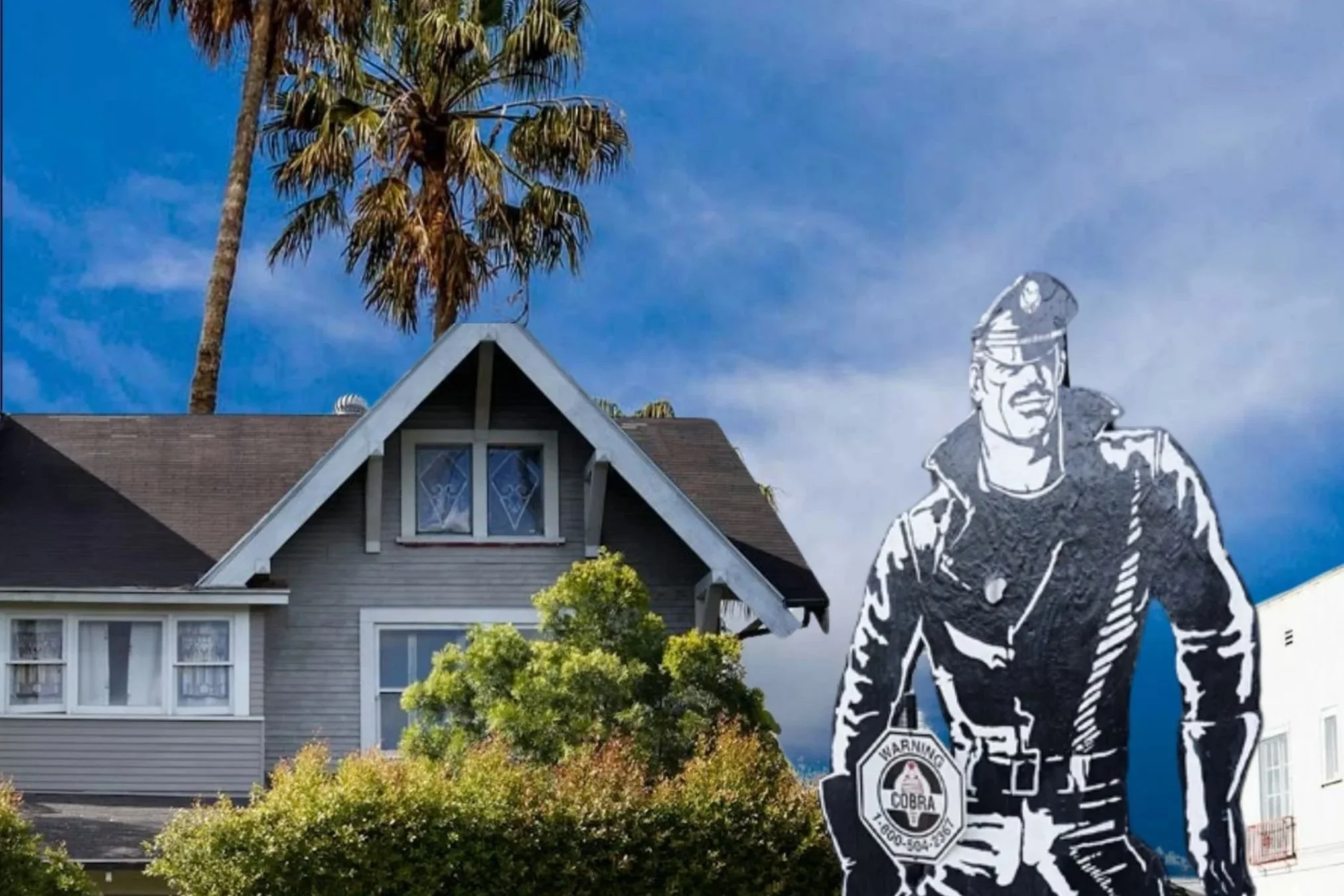
Perhaps the most emotional aspect of the conflict concerns TOM House, the historic Los Angeles property that served as the foundation's headquarters for approximately four decades.
The house was not simply an administrative office or a place to store artwork. It became a gathering space for queer artists, an environment for creative experimentation and a place where people could connect with a cultural history that was rarely represented elsewhere.
During the AIDS crisis, it also provided a sense of community and support for artists and people who needed somewhere to belong.
For many former residents, volunteers and visitors, TOM House represented something that cannot easily be transferred to another address: the experience of being welcomed, accepted and free to express themselves.
That is why the decision to separate the foundation's operations from the property has generated such strong reactions.
The board says the organization can no longer responsibly operate as a resident institution at Dehner's home. It has cited the need for better governance, professional preservation conditions and a more sustainable structure. Dehner and his supporters, however, fear that moving away from TOM House risks weakening the very community and identity that made the foundation meaningful.
Where are Tom of Finland's original artworks now?
One of the most significant developments is the relocation of the foundation's original artwork to an off-site professional storage facility in downtown Los Angeles. The board has presented the move as a necessary step to protect the collection and improve its long-term preservation.
According to its September 2026 community update, the foundation decided to move the collection into professional art storage and pause its Artist-in-Residence program, which had supported artists for more than 15 years.
The board has also discussed digitizing the collection and potentially exploring partnerships with established cultural institutions, including the ONE Archives at the University of Southern California.
However, the relocation has created concerns about public access.
For artists, researchers and members of the LGBTQ+ community, preserving an artwork is not only about keeping it physically safe. It is also about ensuring that people can study it, experience it and understand the history it represents.
The question is no longer simply where the collection is being stored, but how and when it will become accessible again.
A community divided over what comes next
The conflict has also affected the people who helped make TOM House a living cultural space. In June 2026, most of the foundation's staff were laid off, and its programming was significantly reduced. The Artist-in-Residence program was subsequently paused.
Former artists-in-residence and employees have expressed concern about the loss of a unique creative environment.
Meanwhile, the current board, chaired by Robert Knox Hayes, maintains that its decisions are intended to protect the institution and secure a sustainable future for Tom's legacy.
The board has said it wants to rebuild the foundation, expand its international reach and explore new ways of supporting queer artists.
Dehner, on the other hand, has launched the Save TOM House campaign, calling for changes in the foundation's leadership and defending the importance of preserving the house as a living cultural space.
In a November 2026 interview with Swedish LGBTQ+ publication QX, Dehner and his partner, S.R. Sharp, said discussions between lawyers were taking place in the hope of finding a resolution. This suggests that, despite the public disagreement, a negotiated path forward may still be possible.
More than an institutional dispute: What is at stake for LGBTQ+ history?
The story of the Tom of Finland Foundation raises questions that extend well beyond Los Angeles.
Across the world, LGBTQ+ cultural institutions face the challenge of preserving archives, protecting artistic collections and ensuring that queer history is not lost as generations change.
These organizations often depend on a combination of individual dedication, private donations, community support and complex licensing arrangements.
But preserving a legacy also requires transparency, accountability and long-term planning.
Both the people who build cultural institutions and those entrusted with leading them have a responsibility to protect more than a collection of objects. They are safeguarding stories, experiences and creative expressions that have helped shape LGBTQ+ identity.
Tom of Finland's art challenged a society that often refused to acknowledge gay desire and queer visibility. Its cultural significance lies not only in the images themselves, but also in the freedom they represented for generations of people who had rarely seen themselves celebrated.
That makes the current dispute particularly important.
A collection can be moved. An institution can change its leadership. But the responsibility to preserve the history behind it cannot be treated as an afterthought.
The future of the Tom of Finland Foundation remains uncertain. What happens next will matter not only to its founders, board members and supporters, but also to the wider international LGBTQ+ community.
Because preserving queer history is not simply about remembering where we came from. It is about making sure that future generations have the opportunity to see it, understand it and build upon it.
Sources: New York Magazine, Tom of Finland Foundation, Xtra Magazine, QX
Have a story to share?
Have something happening in the LGBTQ+ community that deserves to be heard? You can contact our editorial team confidentially.
You can also reach us at hello@queerlandmedia.com.
We read every message, although we cannot guarantee a personal response to every submission.
Queerland Media – Stories that matter. Voices that deserve to be heard.
