
Freedom of Expression or LGBTQ+ Hate? A Conversation We Need
Pride Is Not Just a Celebration. It Is Also a Reminder of What Still Needs to Change.
@TongSu
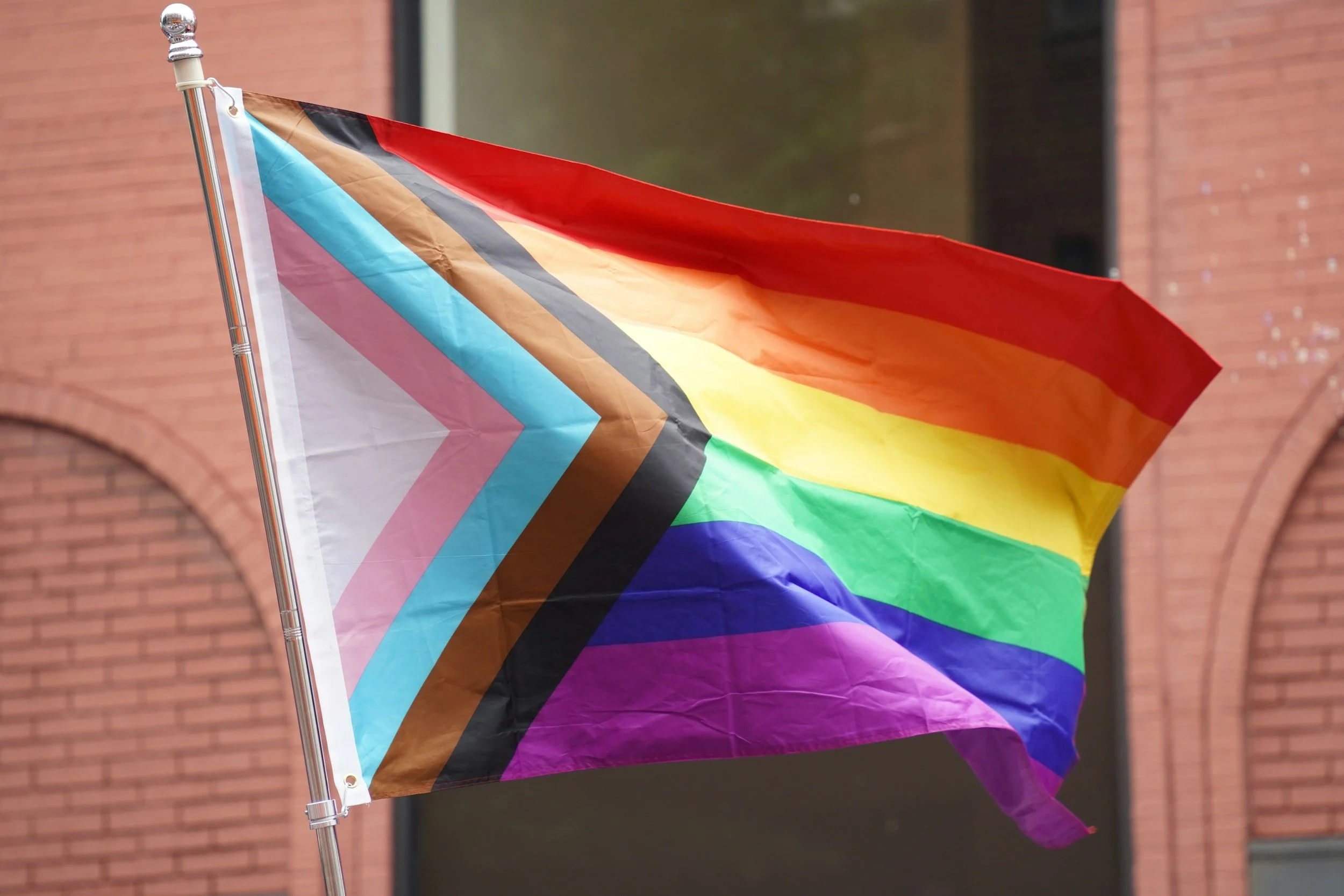
Every June, rainbow flags appear across corporate logos, media outlets publish stories about LGBTQ+ people, and brands suddenly discover the existence of a community that has always been here. Pride Month brings visibility, representation, and conversations that matter. But beneath the colorful campaigns, celebratory slogans, and carefully curated social media posts lies a reality that many LGBTQ+ people know all too well: visibility without protection can quickly become vulnerability.
As Pride Month grows larger every year, so does an uncomfortable truth that deserves far more attention. While LGBTQ+ stories are increasingly visible in mainstream media, so are the hateful reactions that follow them. Across social media platforms, comment sections have become battlegrounds where queer people are mocked, dehumanized, insulted, and targeted simply for existing. What is perhaps even more concerning is how normalized this has become.
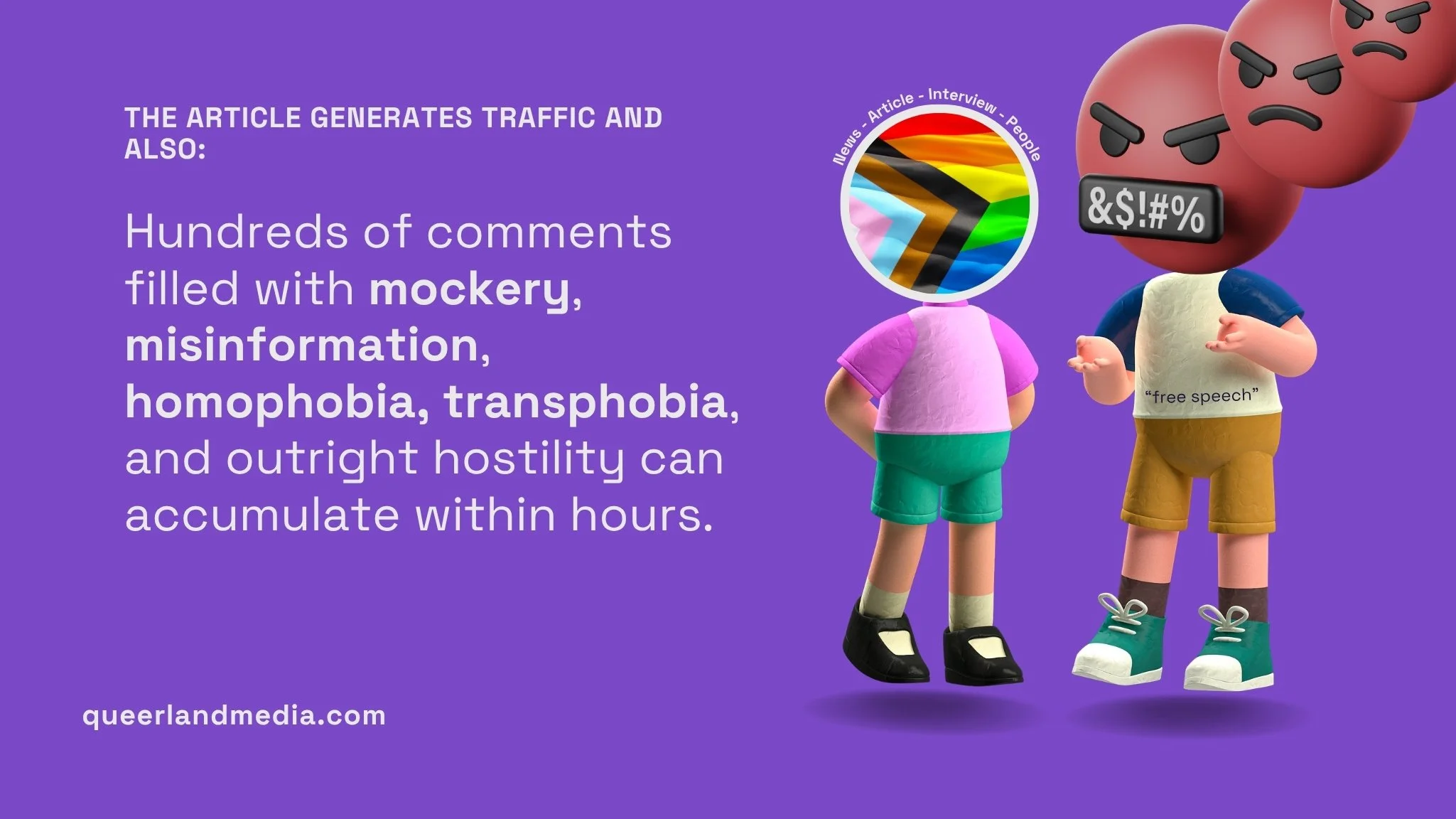
For many LGBTQ+ people, opening the comments section of a news story featuring a queer person is often an exercise in emotional endurance. Whether the story is about a same-sex couple, a transgender individual, a queer family, a young entrepreneur, an artist, or someone simply sharing their life experience, the pattern is often predictable. Hundreds of comments filled with mockery, misinformation, homophobia, transphobia, and outright hostility can accumulate within hours. The engagement grows. The views increase. The shares multiply. The algorithms reward the controversy.
Meanwhile, the people at the center of those stories are left exposed.
Freedom of Expression Is Not a License for Hate
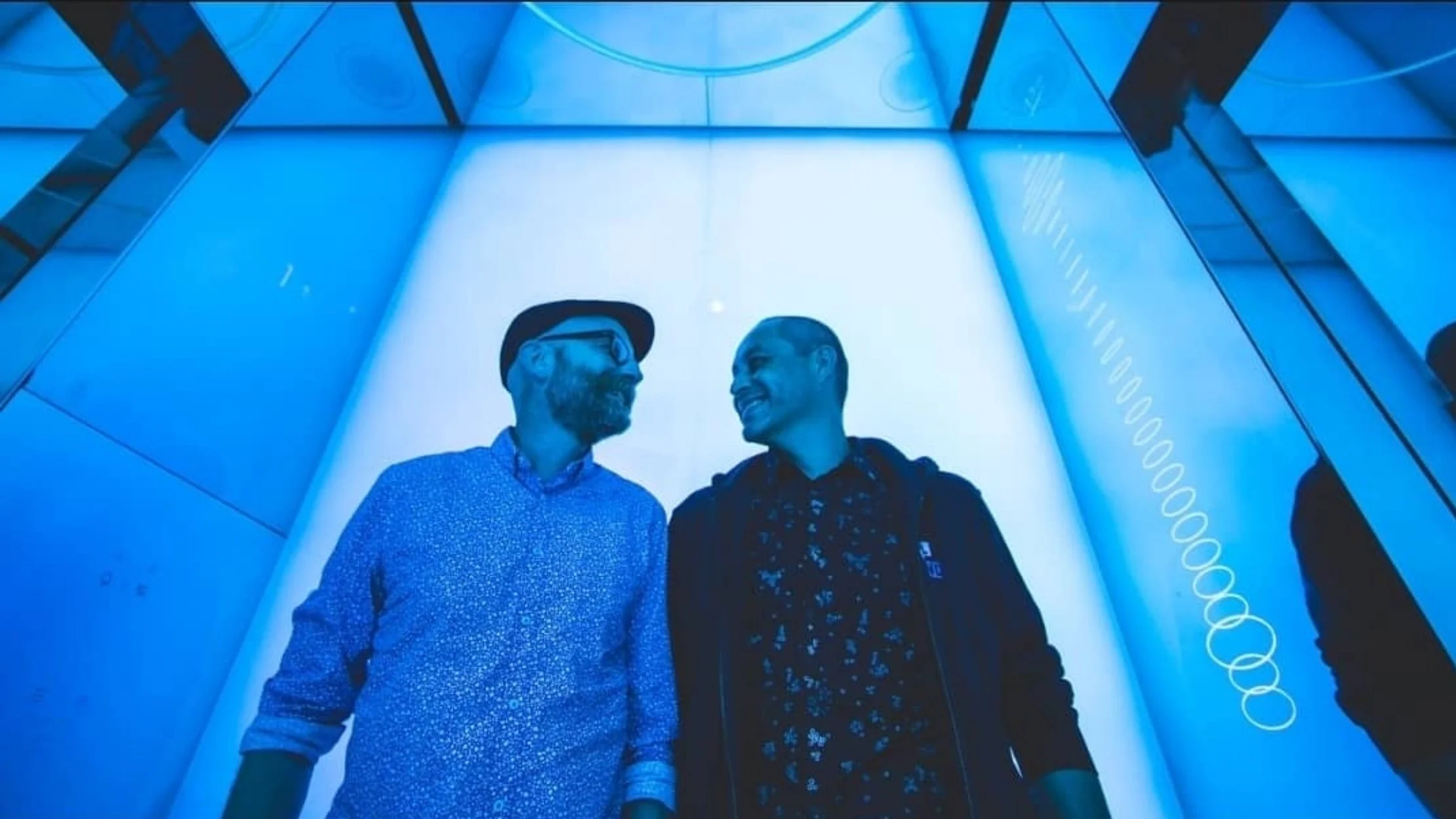
Hannu and Raúl Medina Founder of Queerland Media & We Speak Gay
Finland is internationally recognized as one of the world's strongest democracies and one of the leading defenders of freedom of expression.The Finnish Constitution guarantees freedom of expression under Section 12, stating that everyone has the right to express, disseminate, and receive information, opinions, and communications without prior prevention. This principle is also protected through the European Convention on Human Rights and aligns with Article 19 of the Universal Declaration of Human Rights. HERE.
These protections are fundamental to any democratic society. They allow journalists to investigate power, citizens to challenge institutions, activists to advocate for change, and communities to tell their stories without censorship.
But there is an important distinction that is often deliberately ignored.
Freedom of expression does not mean freedom from responsibility. It does not mean freedom from consequences. And it certainly does not mean freedom to harass, intimidate, or dehumanize others.
Yet in recent years, the phrase "freedom of expression" has increasingly been used as a shield by individuals who wish to justify openly hostile rhetoric against LGBTQ+ people. It has become a convenient excuse to disguise prejudice as opinion, discrimination as debate, and cruelty as free speech.
“Freedom of expression protects ideas. It does not protect hatred disguised as an opinion.”
The law may clearly state that hate speech and harassment have no place in Finnish society, but there is often a significant gap between what is written on paper and what happens every day online.
That gap is where many LGBTQ+ people currently live.
The Media's Responsibility Cannot End After Publishing the Story
One of the most overlooked aspects of this issue is the role played by traditional media organizations themselves.
Across Finland, as in many other countries, mainstream media outlets frequently publish stories involving LGBTQ+ individuals, especially during Pride Month. On the surface, this appears positive. Visibility matters. Representation matters.
But visibility without moderation can become exploitation.
Far too often, these stories are published and then left completely unprotected in digital spaces where comment sections quickly fill with hateful reactions. The article generates traffic. The social media post generates engagement. The algorithm notices. The story spreads further.
The numbers look impressive. Thousands of views. Hundreds of shares. Massive engagement.
But what exactly is driving that engagement?
If a significant portion of those interactions comes from people spreading hostility, misinformation, homophobia, or transphobia, can we truly describe that as successful representation?
queerlandmedia.com
This is a difficult conversation, but it is one that needs to happen.
In many cases, mainstream media organizations appear far more interested in the performance metrics of LGBTQ+ stories than in the wellbeing of the LGBTQ+ individuals featured in them. Moderation often arrives late, if at all. Harmful comments remain visible for hours, days, or indefinitely. The result is that LGBTQ+ people become content while hate becomes engagement.
And engagement has become one of the most valuable currencies in modern media.
Why Is This Becoming So Normalized?
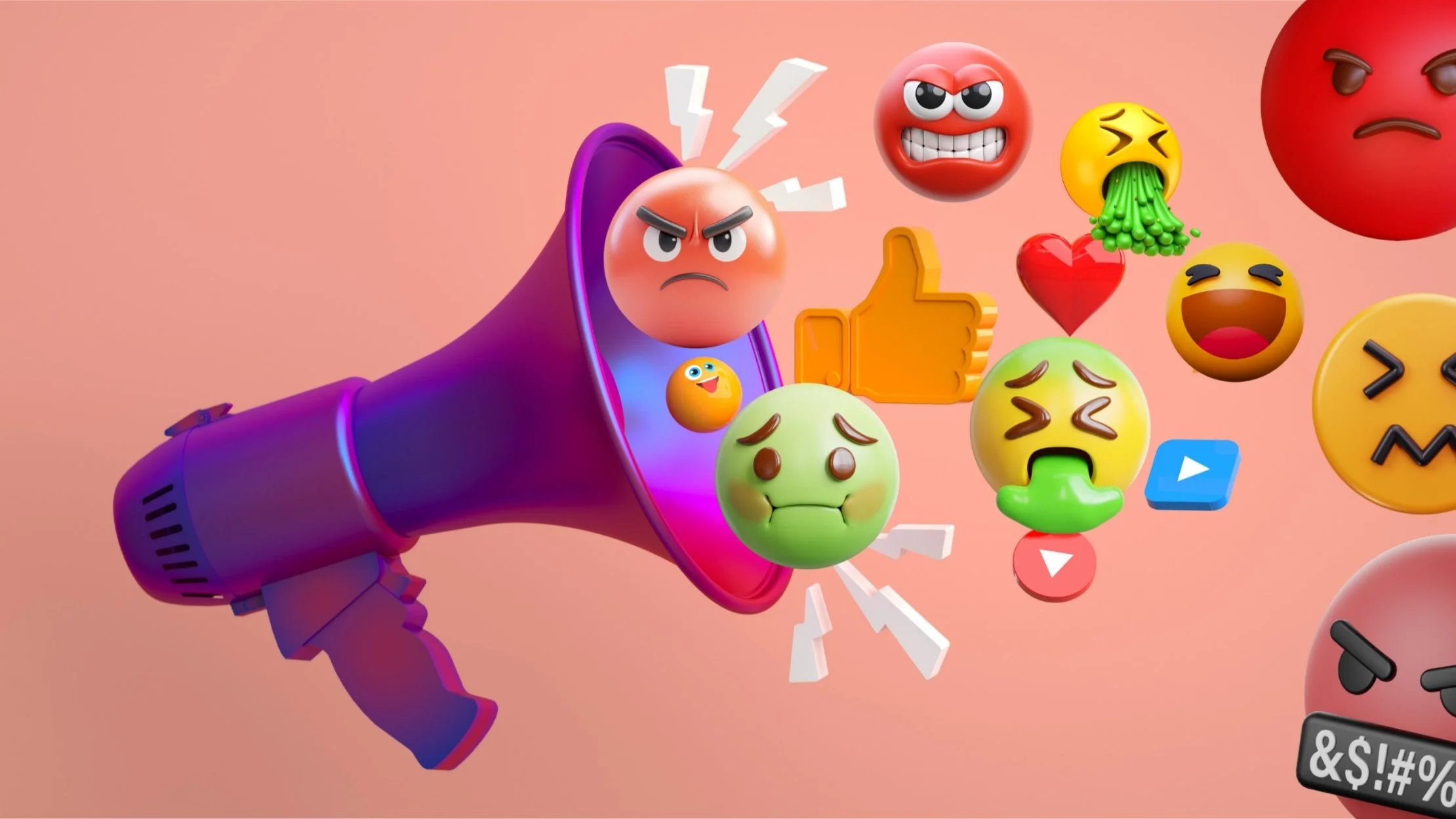
The normalization of anti-LGBTQ+ rhetoric online did not happen overnight.
It emerged gradually through years of algorithm-driven outrage, weakened moderation systems, political polarization, and the monetization of controversy. Social media platforms have increasingly rewarded content that provokes strong emotional reactions, regardless of whether those reactions are positive or negative.
According to reports from organizations such as the GLAAD, social media harassment remains a significant problem for LGBTQ+ users globally. Large percentages of LGBTQ+ individuals report experiencing harassment, hate speech, threats, and targeted abuse across major platforms.
Many LGBTQ+ people do not need a report to tell them this.
They live it.
They read the comments.
They receive the messages.
They experience the hostility.
And for LGBTQ+ teenagers and transgender individuals, who already face higher rates of social isolation, discrimination, and mental health challenges, the impact can be especially severe. What starts as "just a comment" can contribute to an environment where people feel unwelcome, unsafe, or invisible.
“Representation without protection is not inclusion. It is exposure.”
That is why dismissing online hate as insignificant is no longer acceptable. Digital spaces are real spaces. The harm is real. The consequences are real.
The Community Has Always Existed. The Coverage Rarely Did.
For decades, LGBTQ+ people have existed in every sector of society while receiving little to no meaningful representation in mainstream media.

We have always been here. We are teachers. We are healthcare workers. We are entrepreneurs. We are artists. We are parents. We are athletes. We are students. We are neighbors. We are families.
Yet historically, queer lives were often ignored unless they could be framed as controversy, tragedy, scandal, or political debate.
Even today, LGBTQ+ stories frequently represent only a small fraction of the content produced by many mainstream media organizations. When those stories do appear, they are often concentrated around Pride Month, creating a seasonal cycle of visibility that raises important questions.
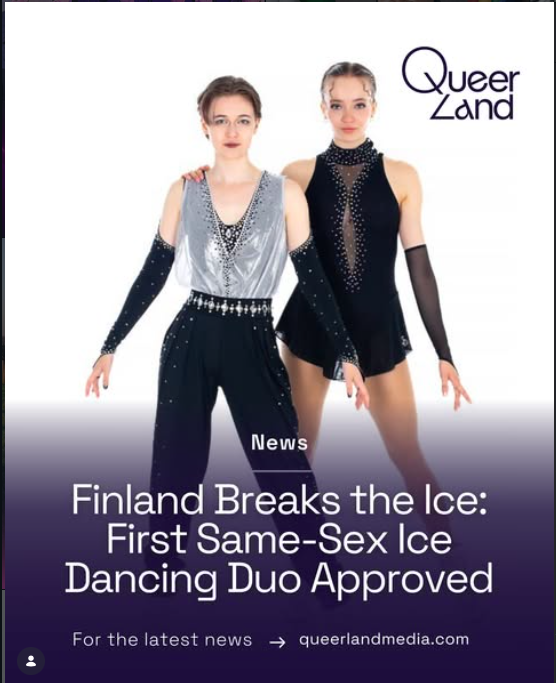
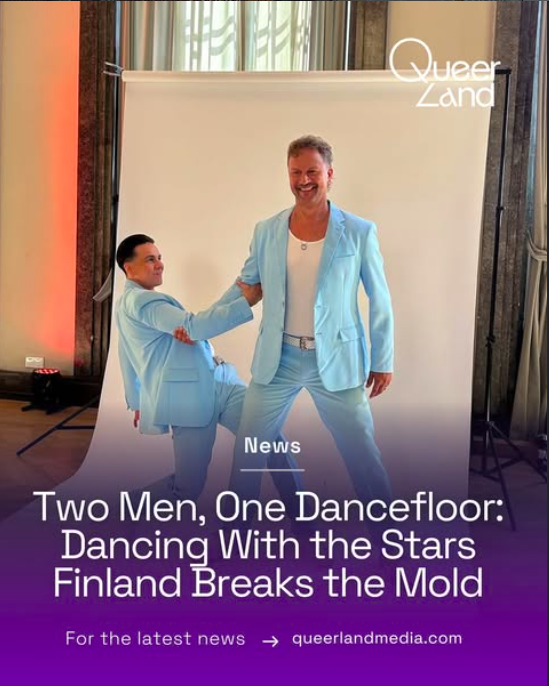
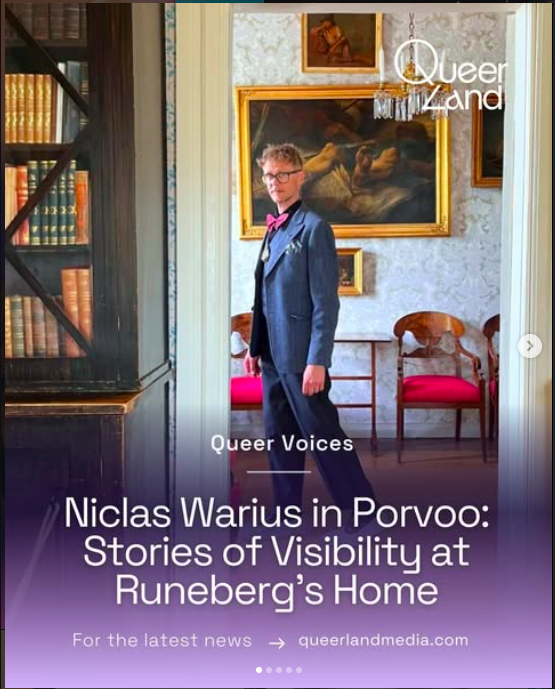
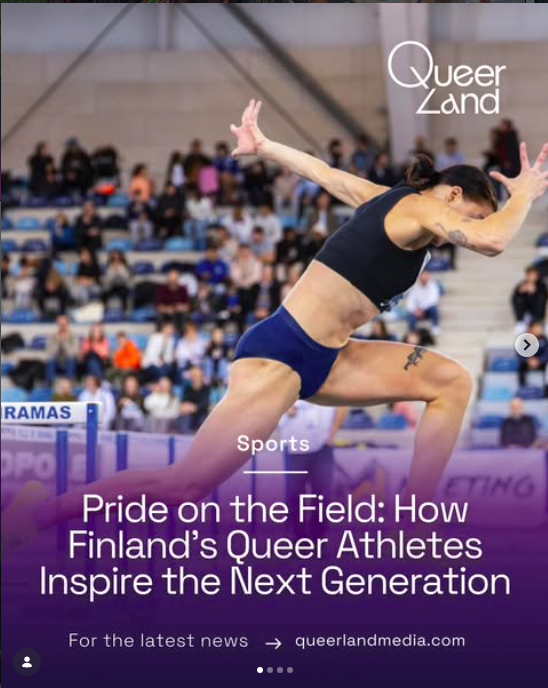
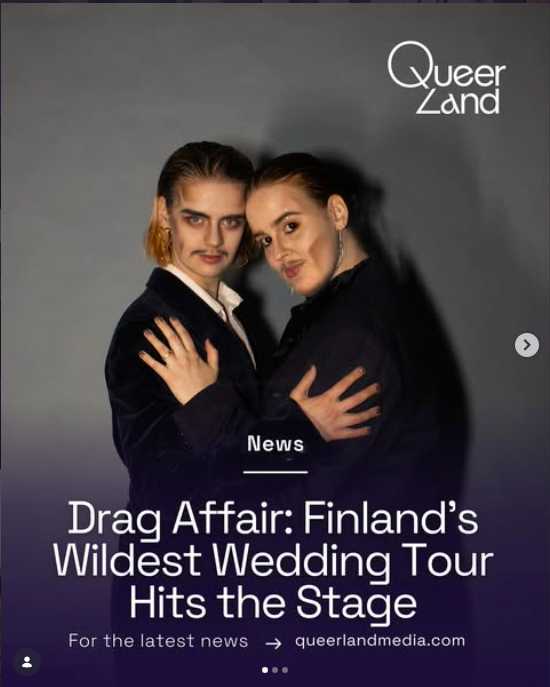
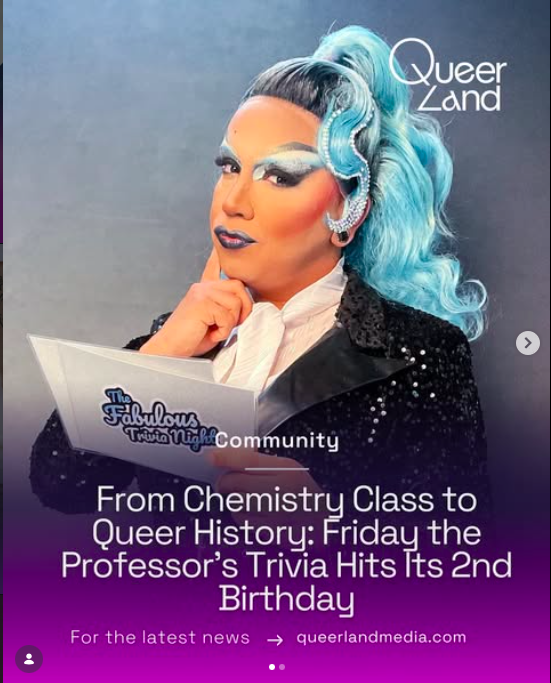
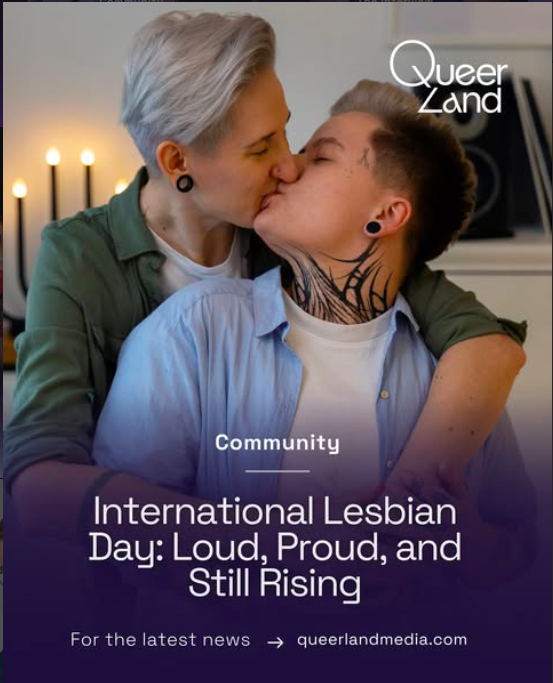
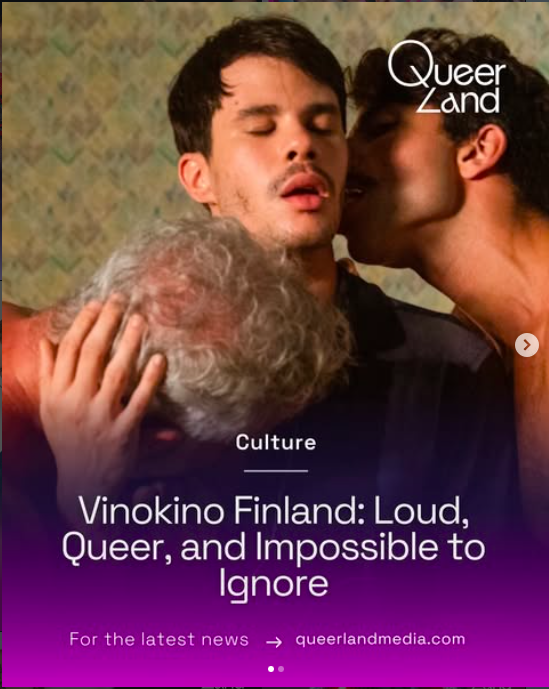
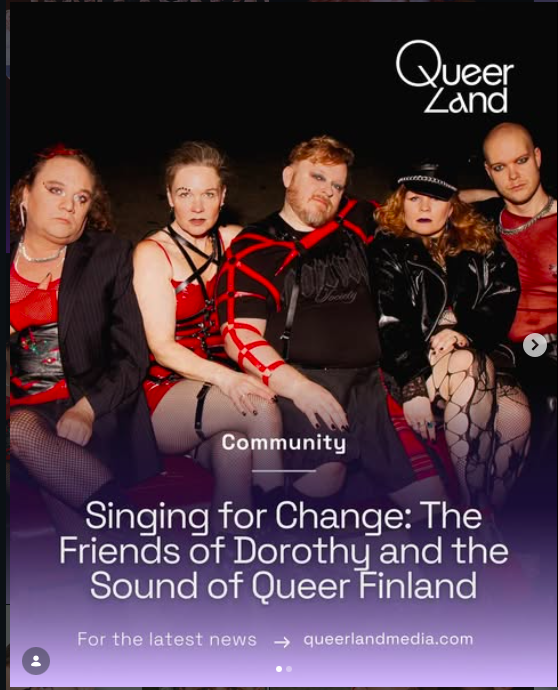
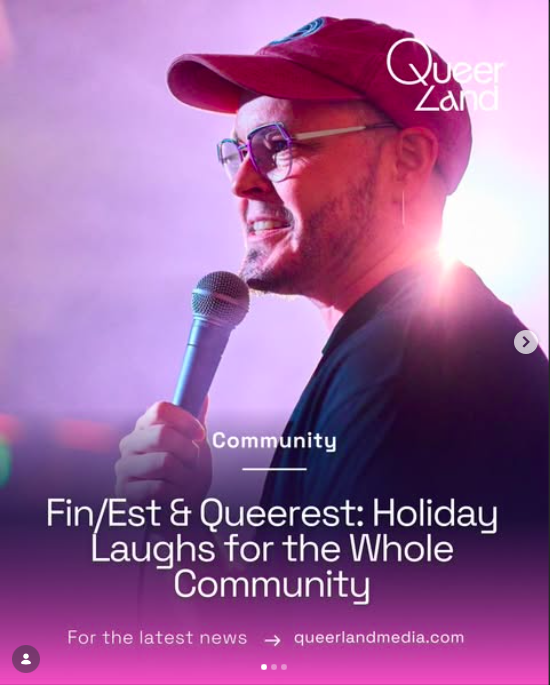
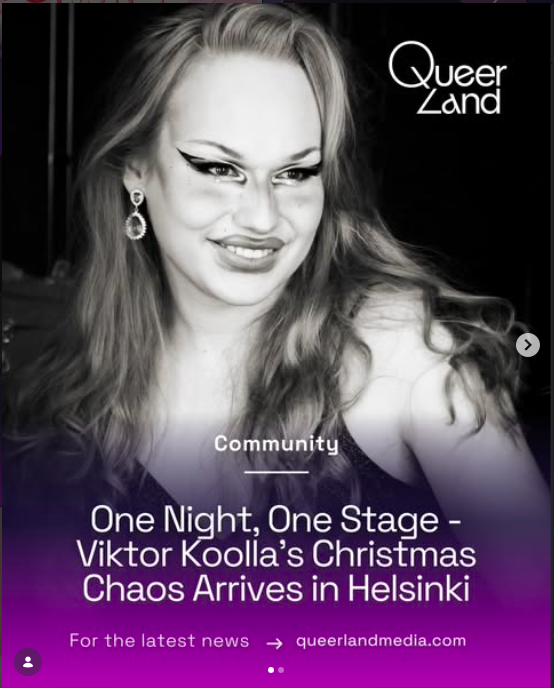
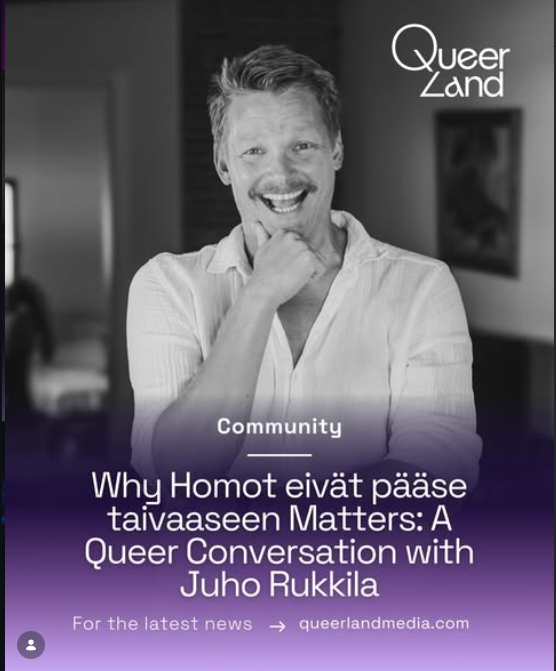
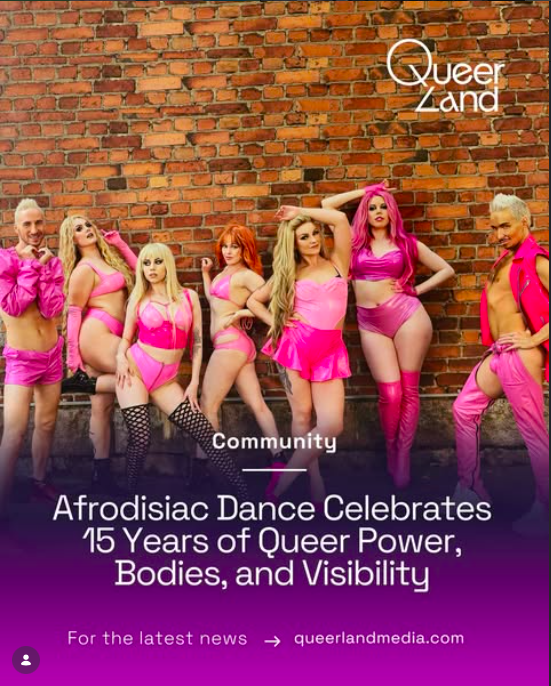
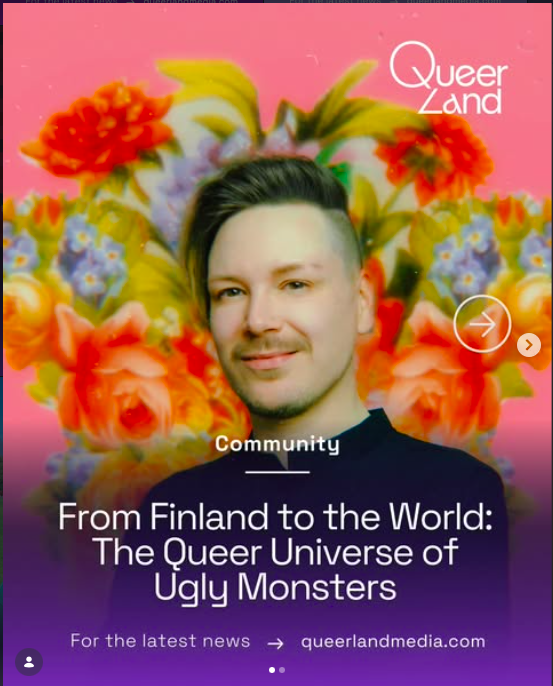
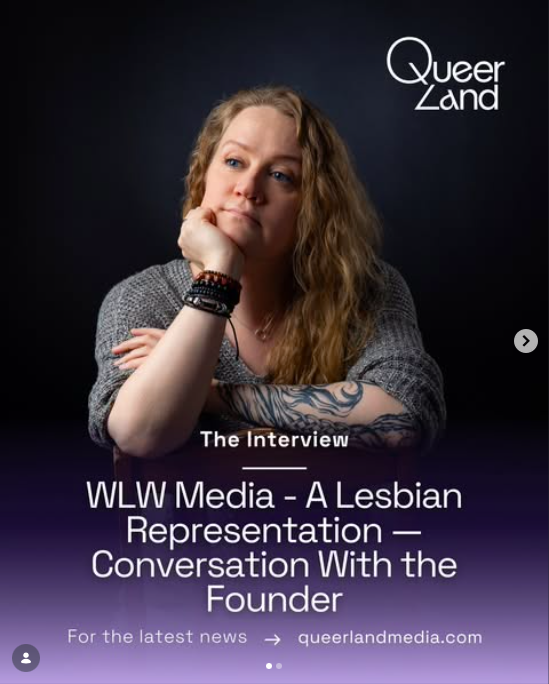
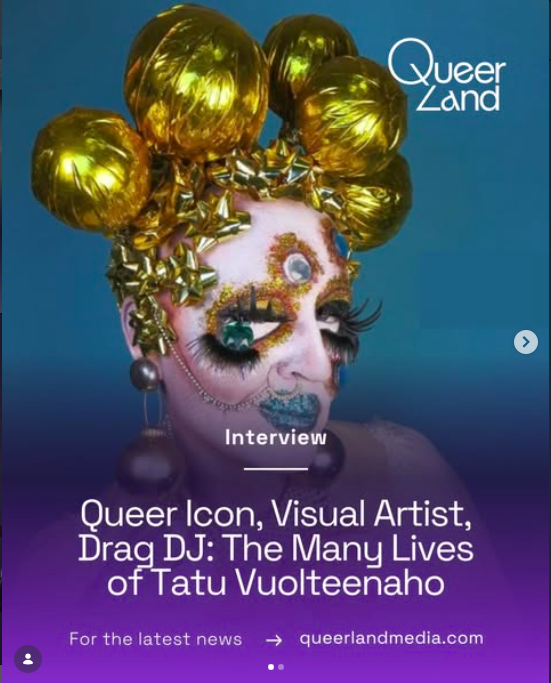
Are LGBTQ+ stories being covered because they matter? Or because they perform well during June?
Are queer people being represented as a community? Or as a marketing demographic?
The distinction matters. Because authentic representation cannot be seasonal and human rights are not seasonal. Visibility is not seasonal. Existence is not seasonal.
Why Queer Media Matters More Than Ever
This is precisely why independent queer media remains essential. Not as a replacement for mainstream journalism, but as a necessary complement to it.
Queer media provides something that traditional heteronormative media structures have historically struggled to deliver consistently: authentic representation created by people who understand the lived experiences of the community they cover.
Queer media validates identities.
It builds self-esteem.
It creates role models.
It preserves history.
It challenges stereotypes.
It humanizes experiences that are too often reduced to political talking points. Most importantly, it pushes back against erasure.
Today, LGBTQ+ people are represented across television, film, music, sports, business, and culture in ways that previous generations could scarcely imagine. That visibility matters immensely. But visibility alone is not enough.
The stories need context.
The stories need depth.
The stories need care.
The stories need spaces where queer joy, resilience, success, love, creativity, and everyday life are treated as normal parts of the human experience rather than exceptions requiring justification.
That is what queer media provides.
The Future Depends on What We Choose to Normalize
Every society normalizes something and the question is what. Do we normalize comment sections filled with hate? Do we normalize harassment disguised as opinion? Do we normalize silence from institutions that profit from controversy? Or do we normalize accountability, respect, and meaningful representation?
The answer will shape the digital environment that future generations inherit. The LGBTQ+ community has spent decades fighting to be seen and now we must ensure that being seen does not mean becoming a target.
This conversation is not about censorship. It is about responsibility. It is about dignity. It is about recognizing that representation means very little if the people being represented are left unprotected from the hostility that follows.
As Pride Month reminds us every year, visibility remains important. But visibility alone is not progress because safety is progress and respect is progress. Accountability is progress.
“Queer media is not a luxury. It is a necessity. It validates lives, preserves history, builds community, and ensures that LGBTQ+ people are seen as human beings rather than headlines.”
And creating media spaces where LGBTQ+ people can tell their stories without becoming targets should not be a radical idea in 2026.
It should be the standard.
About Queerland Media
At Queerland Media, we are working every day to amplify LGBTQ+ voices, stories, businesses, creators, entrepreneurs, artists, activists, organisations, families, and communities that have historically been overlooked by traditional media structures.
As the first LGBTQ+ digital media platform in Finland and across the Nordic countries created in English (and soon, in Spanish too), our mission is simple: to provide authentic visibility, meaningful representation, and positive storytelling that reflects the diversity of our global community. A safe space where being visible matters.
The progress we have made so far has been inspiring, but there is still much more work to do. We monitor our information daily, we control and we make it our mission not to allow any hate messages towards anyone. we are a brand that believes LGBTQ+ visibility needs to be exposed but with protection, creating bridges of connection and positive, safe and inspiring collaborations.
And we cannot do it alone. So, If you know a story, person, organization, initiative, business, artist, creator, or community project that deserves visibility, we want to hear from you.
Contact us at:
Visit: queerlandmedia.com
And for more stories, interviews, features, and community coverage:
👉 Check out the Bio.Site link on our Instagram or visit queerlandmedia.com to read more.
Because LGBTQ+ stories deserve more than visibility.
They deserve respect, protection, and a platform built to tell them properly.
