
A protest demanded transparency and justice for Jace: What happened?
HELSINKI, Finland — A public demonstration took place today at Kansalaistori Square, directly in front of Helsinki Central Library Oodi, with one clear message: Justice for Jace. Approximately 200 people gathered this afternoon for a very peaceful protest, where updates and demands were provided regarding the recent case of Jace Eon Ilias.
The gathering was organized by Trans ry, Trans Library Helsinki, and friends and family members of Jace Eon Ilias, a 32-year-old transgender man whose deportation from Finland to the United States has sparked growing concern among human rights advocates, members of the LGBTQ+ community, disability rights activists, and supporters across the country.
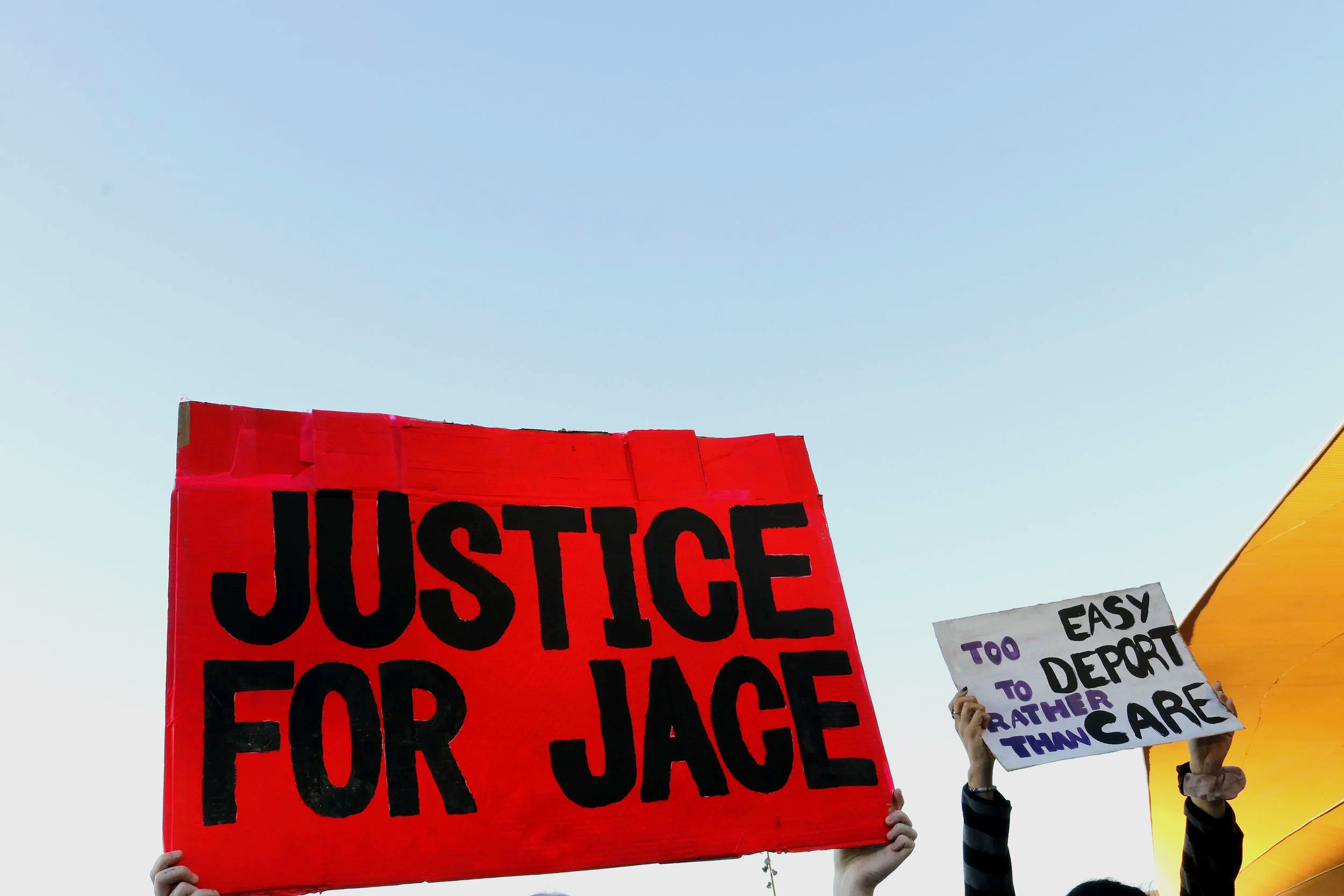
The protest focused on a demand for transparency and accountability regarding the circumstances surrounding Jace’s removal from Finland and his current situation following his arrival in the United States.
Who Is Jace Eon Ilias?
According to information published by Trans Library Helsinki, Trans ry, Helsingin Sanomat through its social media channels, and reporting from Yle, Jace Eon Ilias was deported from Finland on September 15, 2026.
Ilias, a U.S. citizen and transgender man, lives with Huntington’s disease, an incurable and progressive neurological condition that gradually destroys nerve cells in the brain and ultimately leads to death.
His health condition requires extensive support and continuous care.
The situation has also placed significant emotional and practical pressure on his partner, Lehto Itkonen, who has been involved in caring for him around the clock.
A Three-Year Journey in Finland

Jace arrived in Finland three years ago and applied for asylum, citing several factors including his vulnerability as a transgender person in the United States.
As part of his application, he described traumatic experiences he said he had endured in the U.S., including an alleged sexual assault involving a group of police officers.
In January 2025, Jace and Lehto Itkonen were married. Following their marriage, Jace applied for a residence permit on the basis of family ties.
The couple argued that their circumstances were particularly vulnerable due to serious health concerns and the need for ongoing care.
However, all applications were ultimately denied.
Why Was His Application Rejected?

According to Migri, Finland’s Immigration Service, one factor in the decision involved an incident at Helsinki Airport during discussions regarding Jace’s removal from the country.
Authorities stated that he behaved aggressively during the interaction and later concluded that he represented a threat to public order and security.
Family members, however, have challenged that characterization.
In a complaint submitted to the Parliamentary Ombudsman, relatives argued that Jace’s behavior was influenced by fear, medical challenges, trauma, and the stress associated with his health condition and deportation process.
Migri’s rejection decision also noted that Jace had remained in Finland after the denial of his initial asylum application.
In an appeal, his lawyer argued that Jace was exercising his legal right to seek asylum and later apply for a residence permit through marriage, and that he had not attempted to misuse the immigration system.
Growing Concerns About the Situation Facing Trans People
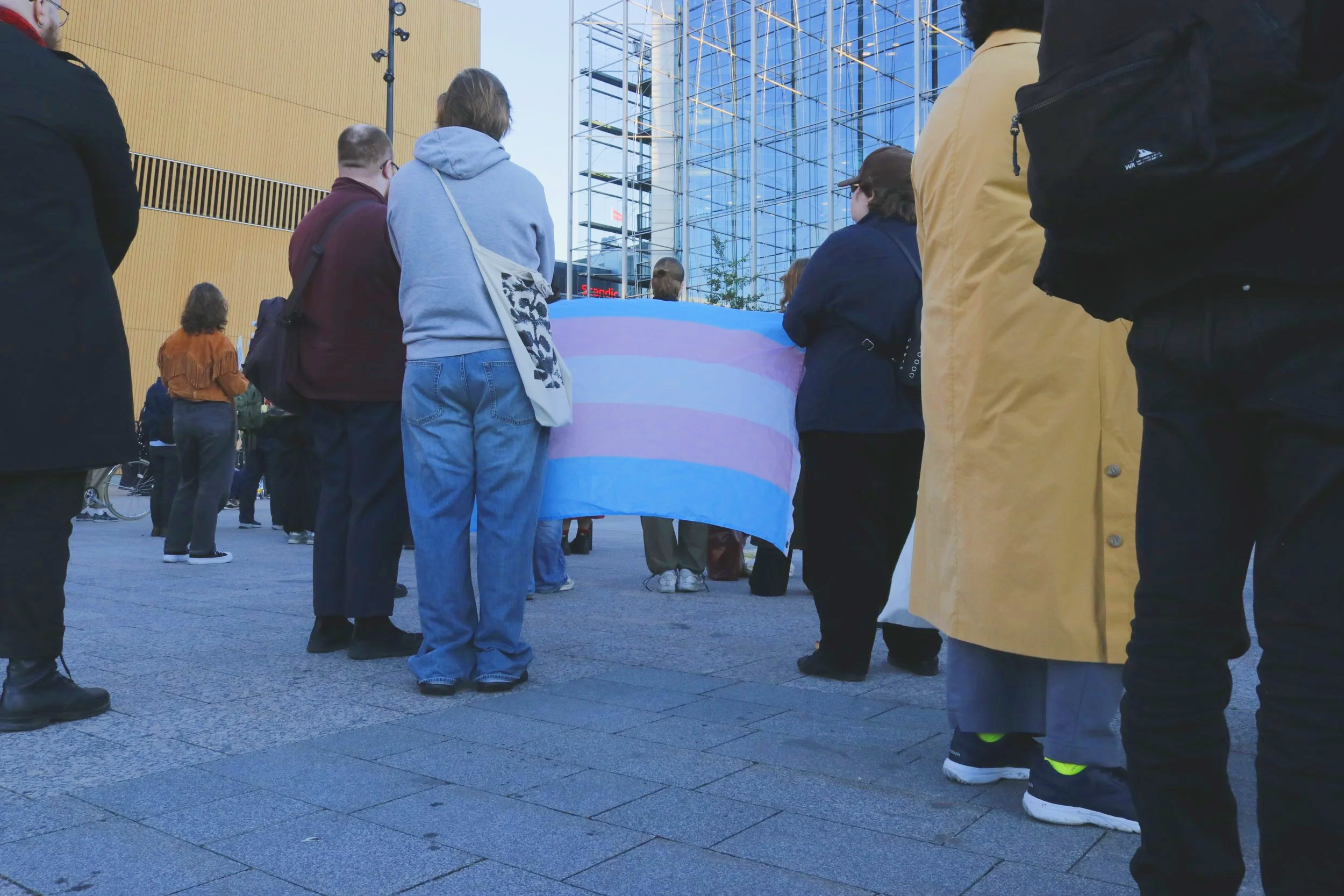
The case has also reignited broader conversations about the realities faced by transgender people worldwide.
While legal recognition and visibility have increased in some countries over the last decade, transgender communities continue to experience significant levels of discrimination, violence, social exclusion, and barriers to healthcare.
The Human Rights Campaign previously noted that increased transgender visibility in public life has not eliminated systemic inequality, stigma, or discrimination.
In the United States, recent years have seen intensified political debates surrounding transgender rights. Advocates and civil rights organizations have expressed concerns about legislative restrictions affecting healthcare access, legal recognition, education, and public participation for transgender individuals.
Many transgender people continue to report challenges related to:
Transphobia
Lack of legal protections
Poverty
Harassment and social stigma
Anti-transgender violence
Barriers to healthcare
Mental health challenges
Employment discrimination
Identity document restrictions
For supporters of Jace, these broader realities form part of the context behind concerns about his deportation and future wellbeing.
What Protesters Are Demanding

Demonstrators gathered in Helsinki called for transparency regarding how Jace’s deportation was handled and what has happened since his arrival in the United States. Among the demands presented during the protest were:
Transparency from Finnish Authorities
A full explanation from the Finnish Border Guard and the Helsinki Police Immigration Unit regarding the management and execution of Jace’s deportation.
Information from the United States Embassy
A detailed explanation from the U.S. Embassy in Helsinki concerning Jace’s arrival and care arrangements in the United States.
Disclosure of Responsible Agencies
Transparency regarding who assumed responsibility for Jace after his arrival, including the identity of the “partner agency” referenced in embassy documentation.
Access to Care Documentation
Public clarification regarding the care plan established for Jace, including what “appropriate assistance” specifically meant in practice and what arrangements exist for his long-term care.
Accountability
An investigation into whether Jace’s medical needs, documentation, and healthcare requirements were adequately communicated and addressed throughout the deportation process.
More Than One Issue

For those gathered in Helsinki, the case extends beyond immigration policy alone. Activists and supporters repeatedly emphasized that Jace’s situation intersects with several critical human rights concerns simultaneously.
“This is a disability issue, an asylum issue, a migration issue, a trans issue, and a human rights issue.”
The protest concluded with renewed calls for transparency, answers from both Finnish and U.S. authorities, and assurances that Jace’s medical and personal wellbeing are being protected.
As questions remain unanswered, advocates say their focus will continue to be on securing information, accountability, and clarity regarding the treatment and current condition of Jace Eon Ilias.
Sources
Yle – Finland sent Lehto Itkonen’s terminally ill husband Jace Ilias back to the United States
Trans Library Helsinki
Trans ry
Human Rights Campaign – Understanding the Transgender Community
