
17 Years of RuPaul’s Drag Race: How a Queer TV Experiment Became a Global Cultural Revolution
February 2, 2009: The Day Drag Changed Television Forever
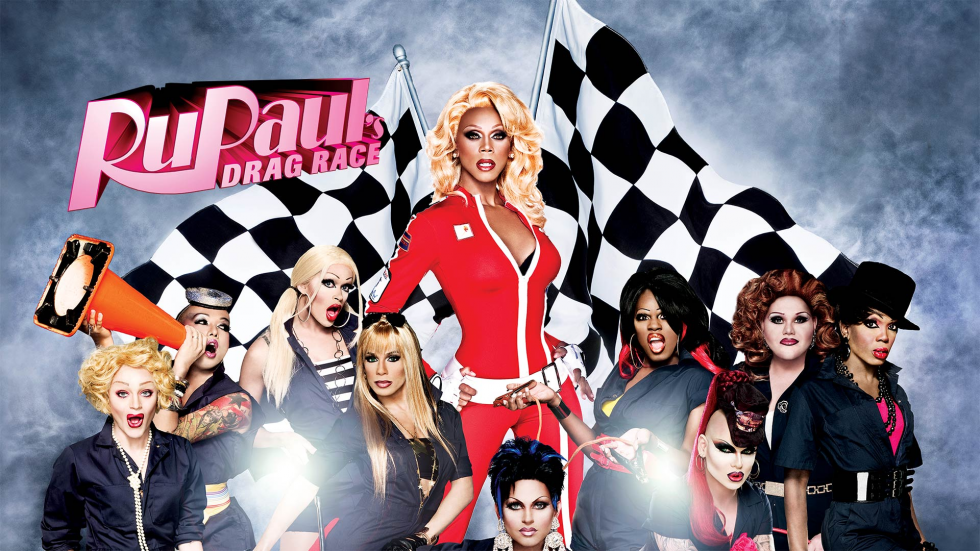
On February 2, 2009, something quietly iconic happened on U.S. television. A small, low-budget reality show premiered on Logo TV — a relatively new LGBTQ+ cable channel — and very few people could have predicted what was about to unfold.
That show was RuPaul’s Drag Race.
Seventeen years later, in 2026, we’re not just celebrating a TV anniversary. We’re celebrating a cultural shift. A movement. A mirror where queer creativity, resilience, humor, and defiance finally took center stage.
What began as a niche experiment became the most influential drag platform in the world.
Logo TV and a New Kind of Visibility
©Logotv - Logo TV wordmark used from 2005-2012.
Before Drag Race, there was Logo TV.
Launched on June 30, 2005, Logo made history as the first U.S. ad-supported cable channel dedicated entirely to the LGBTQ+ community. For many queer people, it was the first time turning on the TV and feeling seen — even if we didn’t fully understand what that visibility would become.
For some of us, those early Logo days came with discovery, curiosity, and a quiet sense of belonging. A “gay channel,” people called it back then — a term loaded with limitations, but also possibility.
Then, one year later, everything changed.
The Lost Season That Started It All
The first season of RuPaul’s Drag Race — often called “The Lost Season” — premiered on February 2, 2009, and it looked nothing like the glossy franchise we know today.
It was raw. Experimental. Intimate.
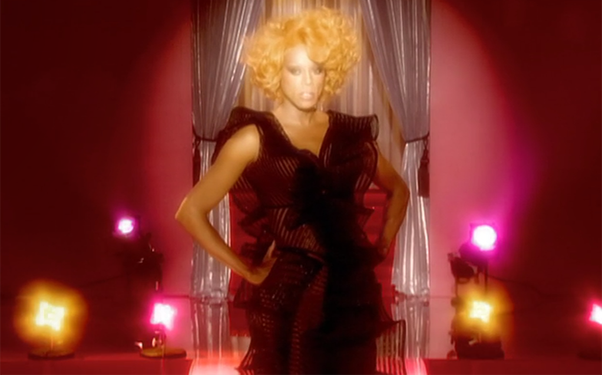
RuPaul's Drag Race: Season 1 (vaseline filter and all)
Filmed in a basement-style studio
A noticeably low budget
The now-infamous Vaseline lens filter
Only nine competing queens
And yet, the magic was undeniable.
The drag was real, the stories were personal, and the hunger was palpable.
That season introduced the world to artists like BeBe Zahara Benet, who became the first-ever America’s Next Drag Superstar, with Nina Flowers as runner-up and Miss Congeniality.
The prize? $20,000, a MAC Cosmetics campaign, and a spot on Logo’s tour — modest by today’s standards, but revolutionary at the time.
From Niche Reality Show to Global Empire
What started on a small LGBTQ+ cable network quickly evolved into something much bigger.
RuPaul’s Drag Race crossed borders, languages, and cultures, transforming into a global franchise with international editions that celebrate local drag scenes while sharing a universal queer language.
Some of the most influential spin-offs include:
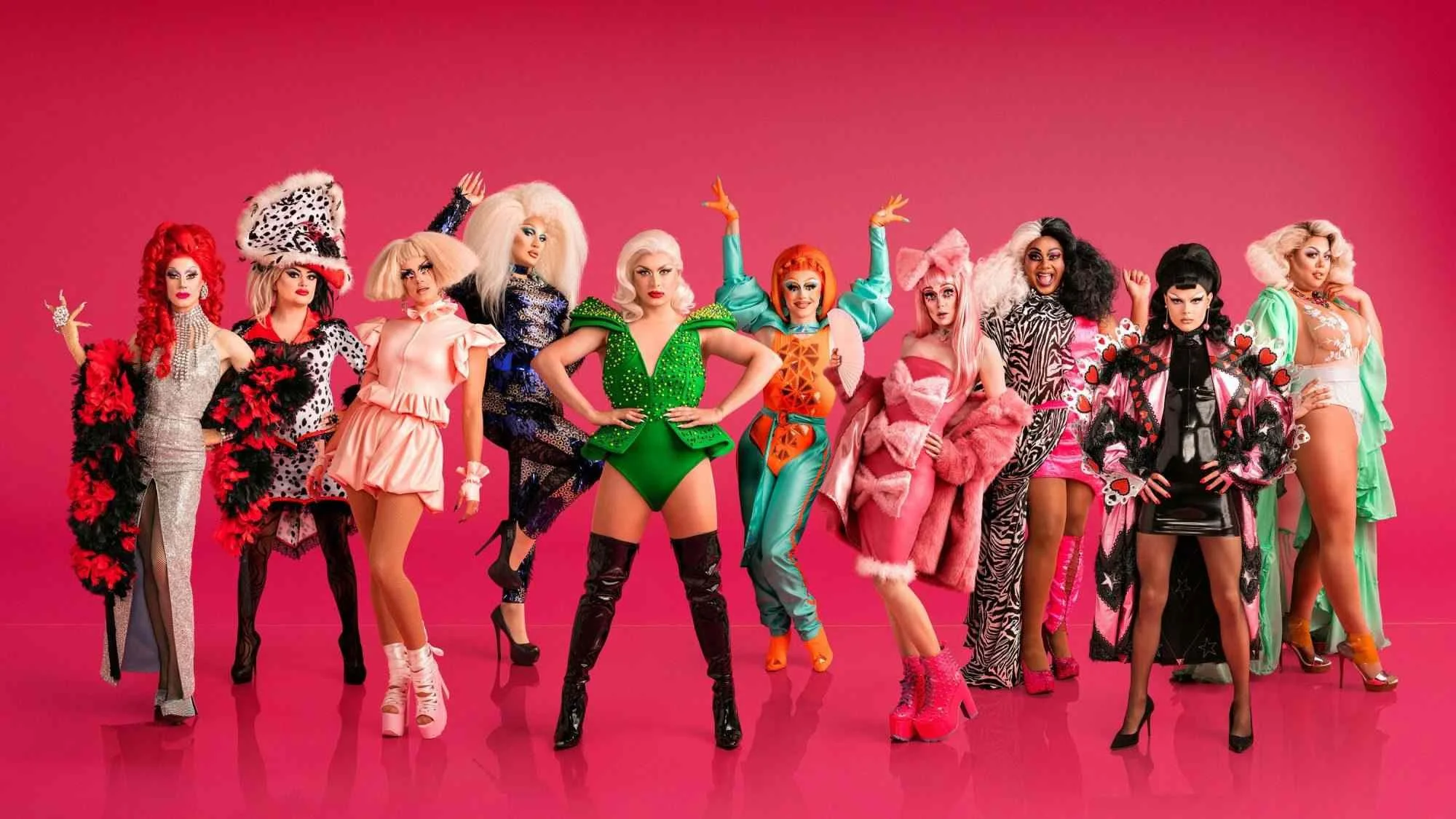
©World of Wonder for BBC Three. Cast of RuPaul’s Drag Race UK season 1
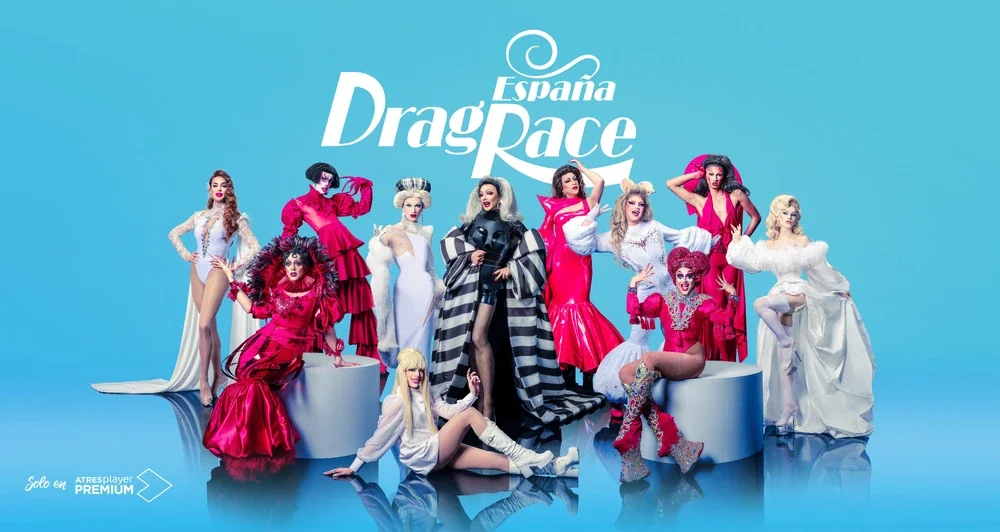
©ATRES player - Cast of Drag Race España Season 1
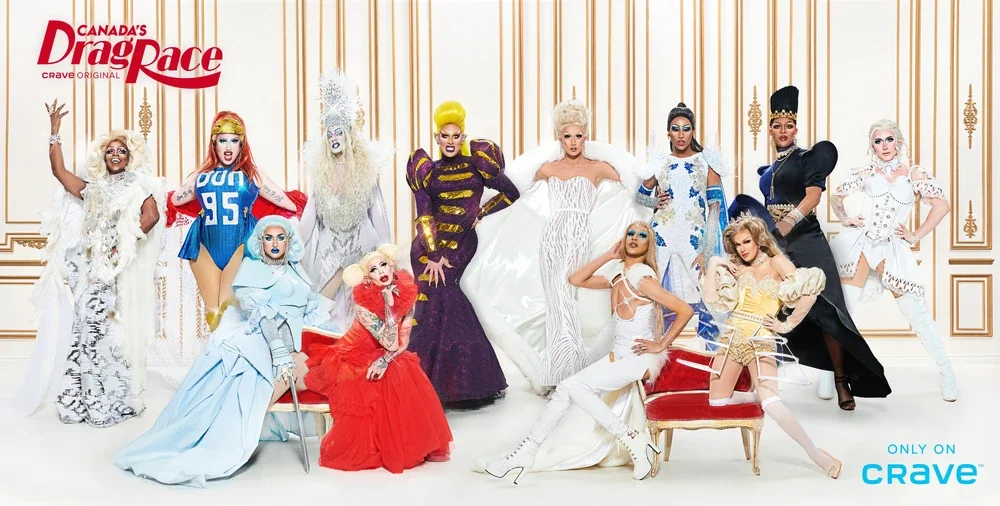
©World of Wonder - Cast of Canada Drag Race Season 1
RuPaul’s Drag Race UK, blending fashion, camp, and British humor
Drag Race España, praised for its artistry and emotional storytelling
Canada’s Drag Race, spotlighting North American queer diversity
Drag Race México, amplifying Latin drag excellence and representation
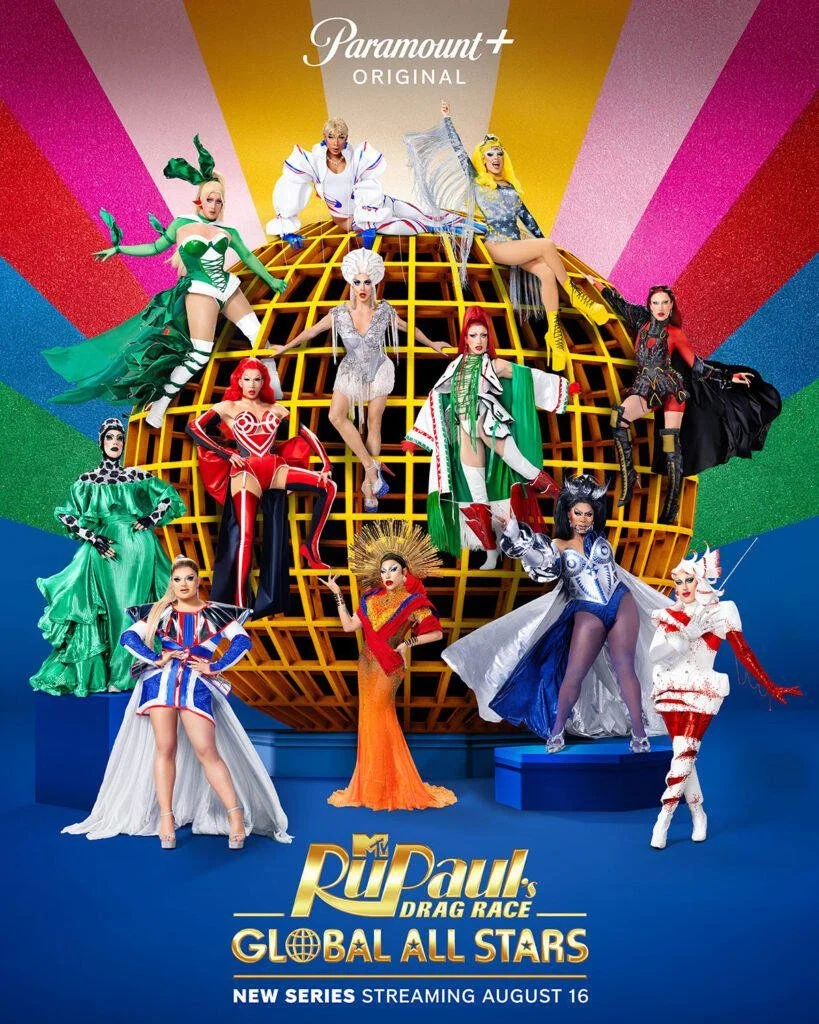
RuPaul's Drag Race Global All Stars Season 1 2024
Add All Stars, world tours, live shows, documentaries, and spin-offs — and Drag Race became more than television.
Queens Who Redefined Pop Culture
Across seventeen years, Drag Race has crowned artists who didn’t just win challenges — they changed the conversation.
Queens like Bianca Del Rio, Jinkx Monsoon, Sasha Velour, Violet Chachki, Symone, and many others expanded what drag could look like, sound like, and stand for.
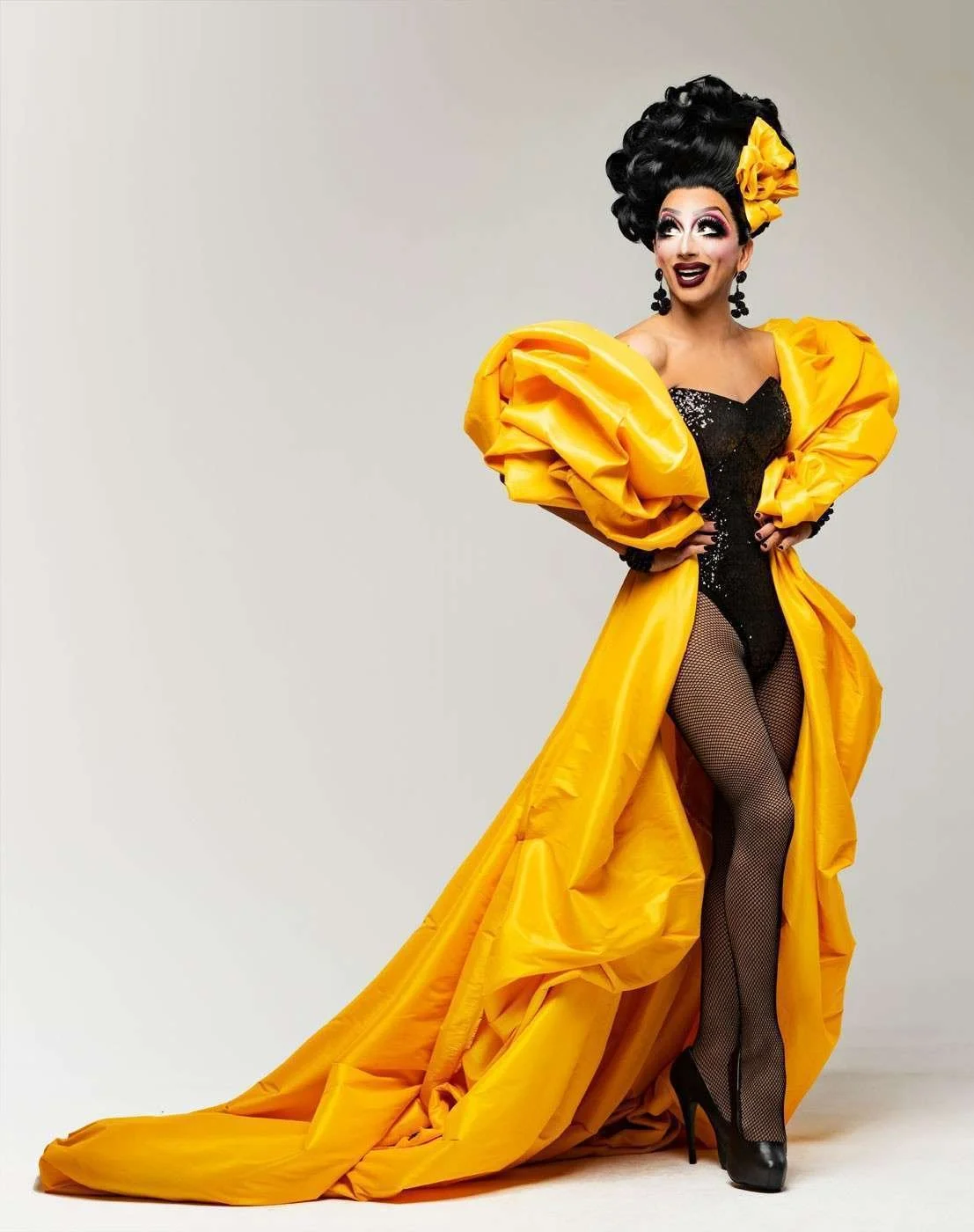
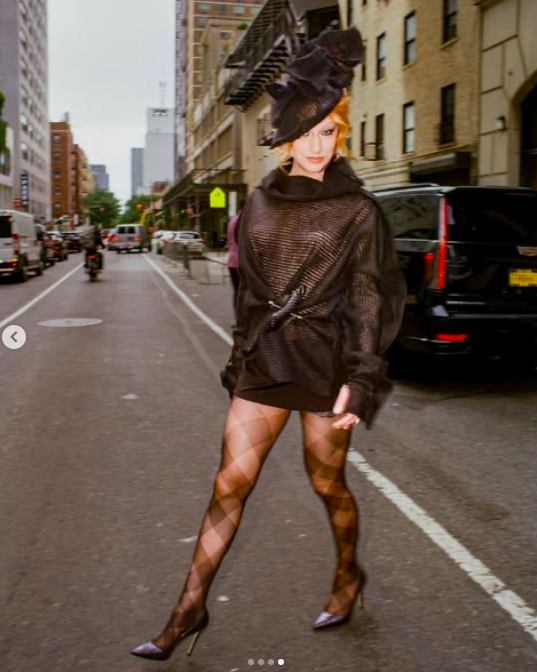
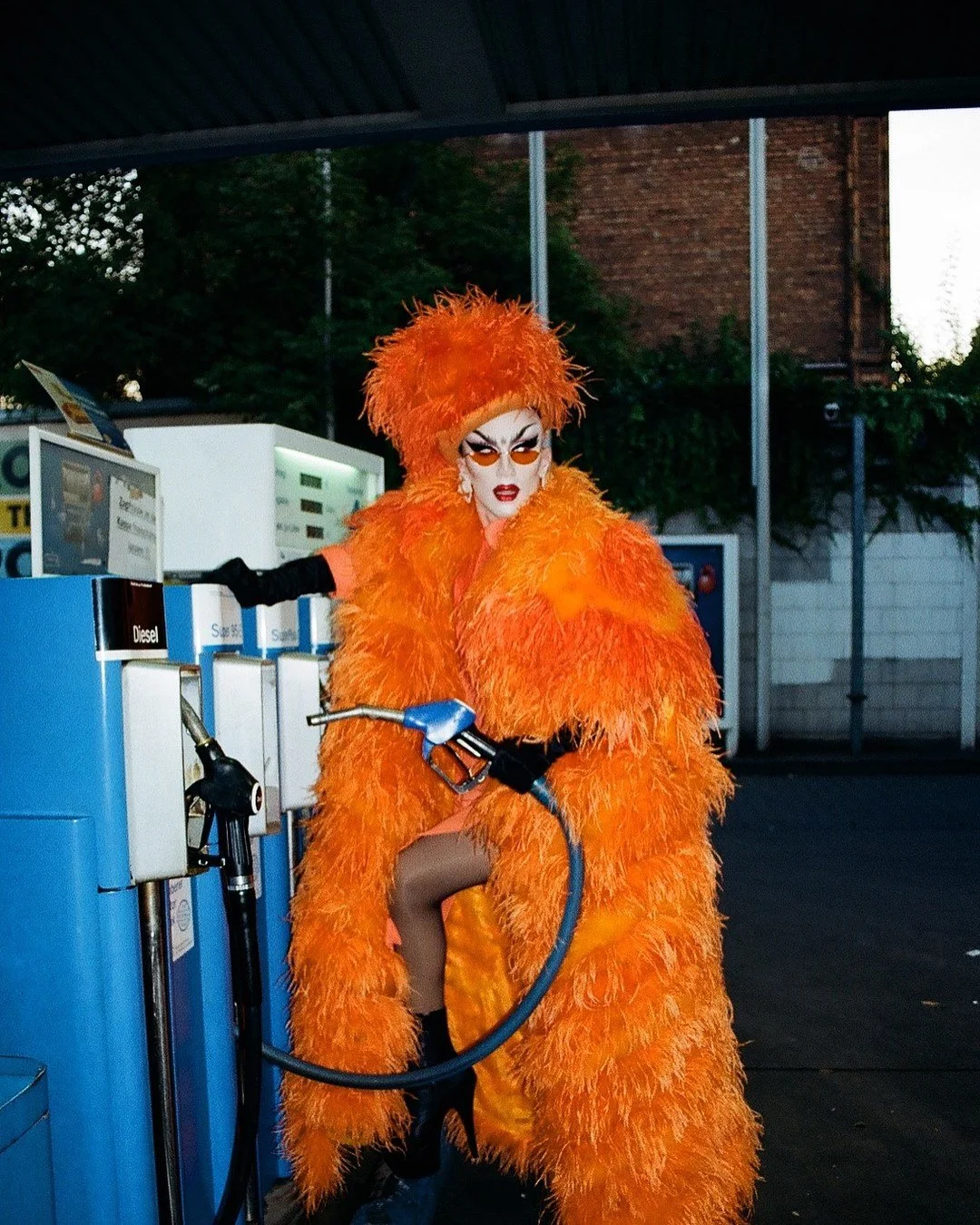
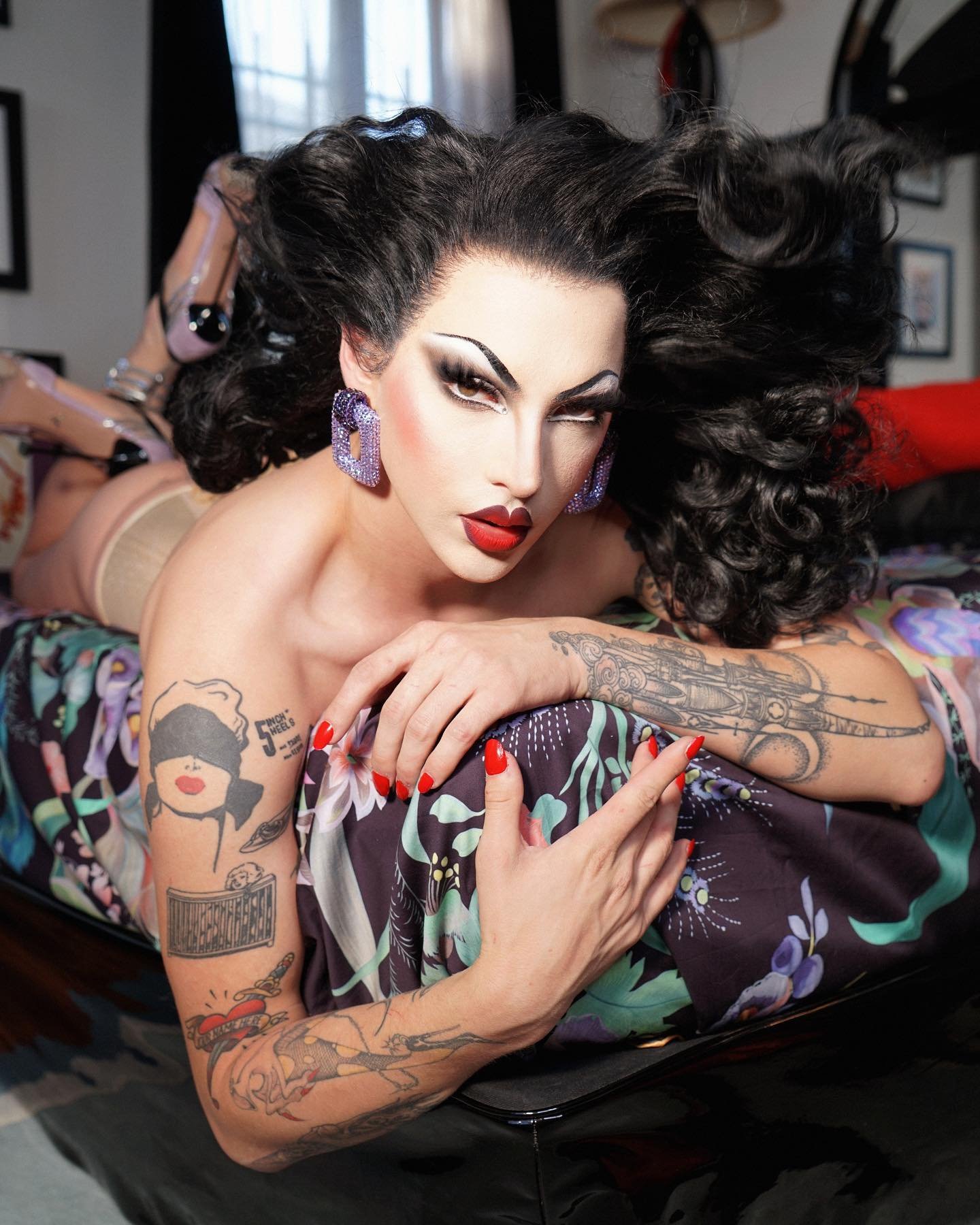
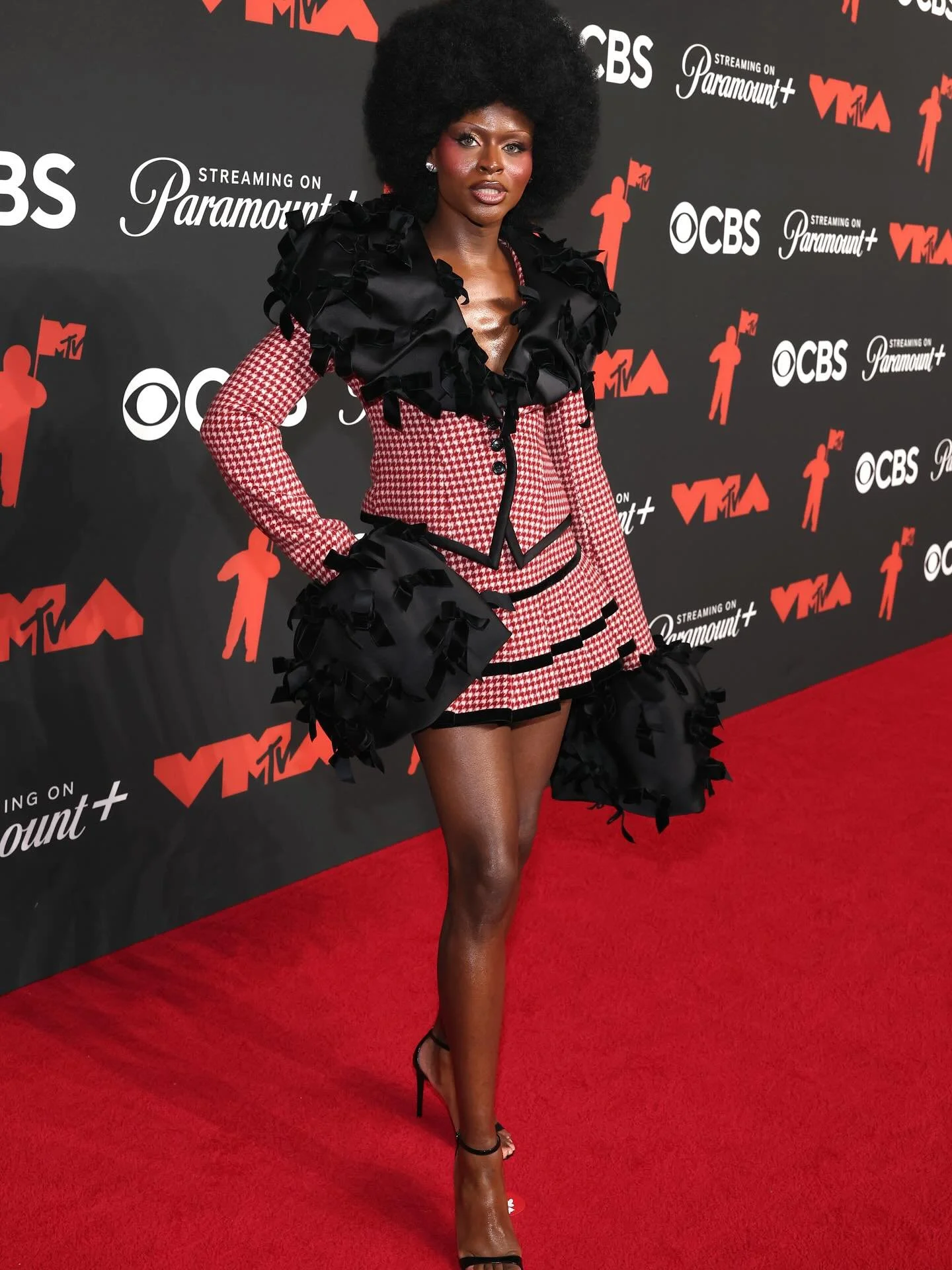
Photos taken from their Facebook pages @BiancadelRio, @JinkxMonsoon, @SashaVelour, @ViolaChachki, @SymoneMost recently, Onya Nurve, winner of Season 17 in April 2025, embodied the show’s continued evolution. With four challenge wins and a commanding stage presence, her victory proved that Drag Race still knows how to spotlight artists who push drag forward.
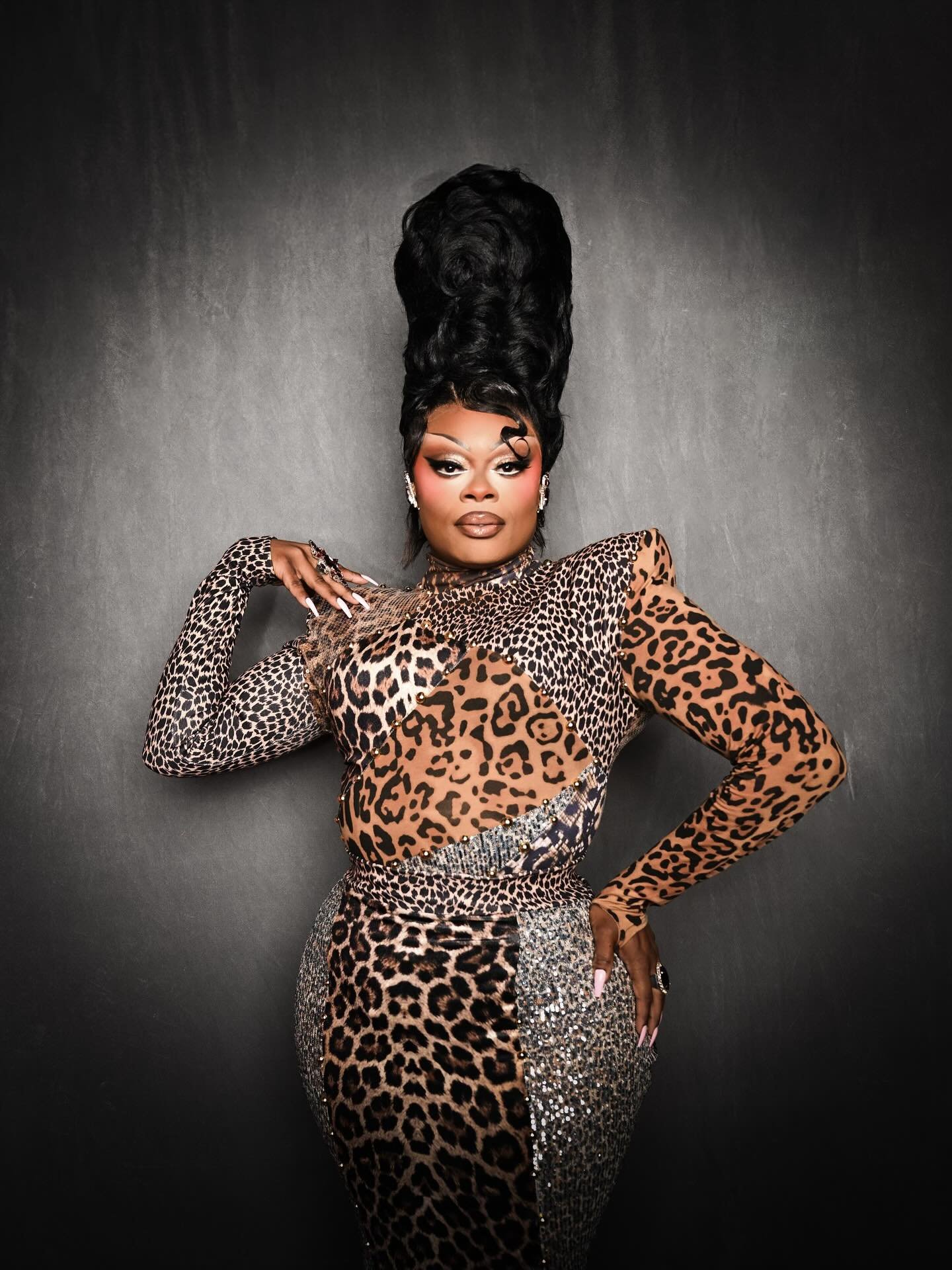
@Onya Nurve Facebook
More Than Entertainment: A Space for Transformation
Beyond runways and lip-syncs, RuPaul’s Drag Race created something deeply political — even when it wasn’t trying to be.
It opened conversations about:
Gender identity and expression
Mental health within the queer community
Self-acceptance and chosen family
The legitimacy of drag as an art form
For many LGBTQ+ viewers, Drag Race was the first time seeing people like themselves celebrated — not as side characters, but as stars.
That impact continues far beyond television, shaping fashion, music, nightlife, theater, and how drag is understood in mainstream culture.
Seventeen Years Later, the Legacy Is Clear
RuPaul himself has has won 14 Primetime Emmys from 22 nominations. for Outstanding Host and helped Drag Race secure multiple wins for Outstanding Reality-Competition Program, plus GLAAD Media Awards recognition. What began as a modest Logo experiment became one of the most decorated reality franchises in television history.
Seventeen years after its first episode aired, RuPaul’s Drag Race remains a powerful cultural force.
It didn’t just crown queens.
It normalized difference. Amplified queer voices. And reminded millions that authenticity is not a weakness — it’s a superpower. And that, truly, is worth celebrating.
Join the Conversation
At Queerland Media, we celebrate the stories that shape queer culture — past, present, and future.
Visit queerlandmedia.com for more iconic LGBTQ+ stories, voices, and perspectives.
And if you know a story, a voice, a moment of representation or resistance that deserves to be told, write to us at hello@queerlandmedia.com.
Because queer history is still being written — and everyone deserves to be seen.
